Understanding Washing Machine Cycle Duration
The time a washing machine takes depends on the cycle chosen and the machine’s efficiency. Most cycles last between 30 and 60 minutes. Factors like load size, water temperature. And fabric type also affect the washing machine cycle duration. Front load washers and top load washers differ in average wash time, with front loads usually taking longer but being more energy efficient.
For those curious about how long a cycle lasts, exploring the quick wash settings and heavy duty wash cycle options is essential. Quick washes are faster but may not clean heavily soiled clothes well.
To dive deeper into washing machine features, the article on washing machine filters offers great insights about machine maintenance.
Types of Wash Cycles and Their Durations
Wash cycles vary by type and purpose. Common cycles include quick wash, heavy duty wash, delicate wash. And eco wash. Each cycle has a unique duration to match the cleaning needs.
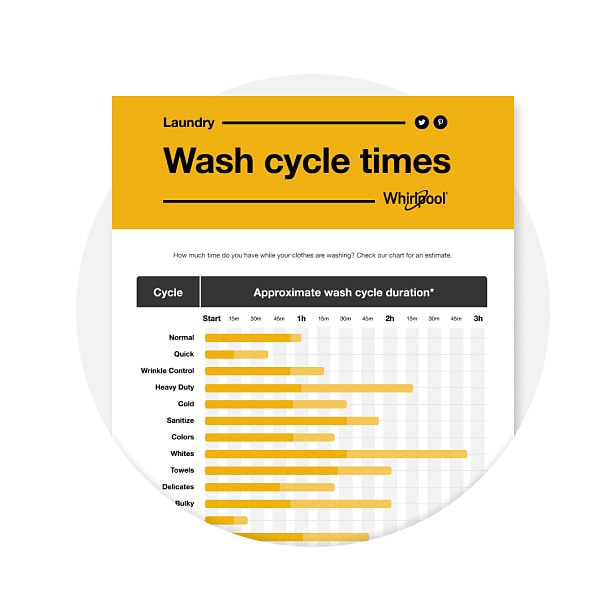
Quick wash settings usually last 15 to 30 minutes. They are ideal for lightly soiled clothes or when time is tight. Heavy duty wash cycles last longer, often 60 minutes or more, to clean tough stains and dirt.
Delicate cycle wash time is shorter than heavy duty, usually around 30 to 40 minutes, to protect sensitive fabrics. The eco wash cycle duration may be longer but uses less water and energy, balancing time and cost.
| Cycle Type | Approximate Duration | Purpose |
|---|---|---|
| Quick Wash | 15-30 min | Lightly soiled clothes |
| Heavy Duty | 60+ min | Stubborn stains |
| Delicate | 30-40 min | Fragile fabrics |
| Eco Wash | 50-70 min | Energy saving |
Cycle choice should match fabric type and soil level. Using the right wash cycle helps protect clothes and saves energy.
For more about wash cycles and everyday use, Whirlpool’s guide on washing machine timing is a useful resource.
Spin Cycle Length and Rinse Cycles
The spin cycle length impacts how dry clothes come out after washing. Spin times vary from 5 to 15 minutes depending on fabric type and speed setting.
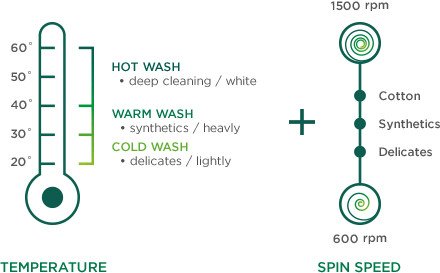
A longer spin cycle removes more water but may damage delicate clothes. It’s best to select a shorter spin cycle for sensitive fabrics. Some machines offer adjustable spin speeds for this reason.
Pre-wash and rinse cycles also add to the total wash time. Pre-wash helps remove heavy dirt before the main wash, adding about 10 to 20 minutes. Rinse cycles cleanse detergent residue and often last 10 to 15 minutes.
| Cycle Part | Duration Range |
|---|---|
| Spin Cycle | 5-15 min |
| Pre-wash | 10-20 min |
| Rinse Cycle | 10-15 min |
Choosing the right spin and rinse options balances cleaning power and clothing care. For delicate or wool clothes, low spin speeds help preserve fabric.
Understanding these cycles helps optimize laundry time and results. Learn more about how to clean your machine by visiting how to clean front load washing machine.
Load Size and Temperature Settings Impact
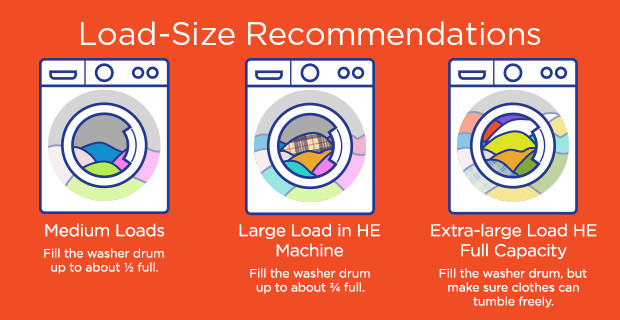
Load size strongly affects washing machine timer settings. A full load requires more water and time than a small load. Modern machines sense load size and adjust cycle duration automatically.
Water temperature settings also influence wash time. Warm or hot water cycles often last longer than cold cycles because the machine needs extra time to heat water. Hot water is best for heavy soils and whites, while cold water saves energy and suits delicate fabrics.
Energy efficient washing machines use sensors to optimize water use and temperature. This reduces cycle duration without sacrificing cleaning power.
| Load Size | Cycle Duration Impact |
|---|---|
| Small Load | Shorter cycle time |
| Full Load | Longer cycle time |
Choosing the right water temperature and load helps save energy and protect clothes. Using eco mode cycles can further reduce water and power use.
Experts recommend matching water temperature to fabric type and soil level for best results.

Front Load vs Top Load Wash Time Comparison
Front load washers generally have longer cycle durations, averaging 45 to 70 minutes. They use less water and energy, making them popular for energy efficient homes. Their tumbling action is gentle on clothes and effective at cleaning.
Top load washers tend to have shorter cycles, usually 30 to 50 minutes. They use more water and energy but offer faster wash times. Traditional agitator models may take less time but can be rougher on fabrics.
Choosing between front load and top load depends on priorities like wash time, energy use. And clothing care.
| Washer Type | Average Wash Time | Energy Use | Fabric Care |
|---|---|---|---|
| Front Load | 45-70 min | Lower | Gentle |
| Top Load | 30-50 min | Higher | Moderate |
Smart washing machine cycles now offer precise control for both types. These programs adjust time and settings based on load and fabric.
For more details on caring for different fabrics and machine types, see the guide on how to clean tennis shoes in washing machine.
Smart Controls and Energy Efficiency
Modern washing machines come with smart controls that let users select programs via apps. These smart washing machine cycles optimize energy use and wash time by using sensors and AI.
Energy efficient washing machines reduce water and power use with eco wash cycle durations that balance cleaning and cost. Smart features also notify users when the wash is complete, saving time and effort.
Daily vs deep clean cycles offer options for light or heavy laundry needs. Daily cycles are shorter and use less energy, while deep clean cycles run longer for tough dirt and bacteria removal.
Using energy-efficient settings and smart controls can reduce running costs and environmental impact.
Overall, smart technology improves washing machine performance and user convenience. For a deeper understanding of this mechanic, analyzing resources on washing machine cycle times provides excellent foundational context.
Conclusion: Optimizing Your Wash Time
Washing machine cycle duration depends on many factors including cycle type, load size, water temperature. And washer type. Quick wash settings are great for daily loads, while heavy duty cycles handle tough stains but take longer.
Front load washers usually run longer but save energy, whereas top loads are faster but less efficient. Smart washing machine cycles and energy efficient machines help balance cleaning power with cost and time.
Understanding spin cycle length, rinse. And pre-wash cycles helps fine-tune washing for fabric care. Adjusting load size and temperature settings also impacts cycle duration.
For best results, match cycle choice to fabric and soil level, use eco modes wisely. And maintain your machine regularly. This approach ensures clean clothes, saves energy. And extends machine life.
With growing technology in 2026, smart controls make managing wash times easier and more efficient than ever. Embrace these advances to get your laundry done well and quickly.
Frequently Asked Questions
What is the average wash time for a washing machine cycle?
The average wash time varies but typically ranges from 30 to 60 minutes depending on the cycle and machine type.
How does load size impact wash cycle duration?
Larger loads often increase cycle duration as machines need more time to clean and rinse effectively.
What is the difference in wash time between front load and top load washers?
Front load washers generally have longer wash cycles but use less water and energy compared to top load washers.
Are quick wash settings effective for daily laundry?
Quick wash settings are designed for lightly soiled clothes and shorter cycles, making them suitable for daily laundry.
How can I reduce my washing machine’s energy use?
Using eco wash cycles, washing full loads, and selecting lower temperature settings can help reduce energy use.

Michael Peterson is a home appliance writer focused on practical washing machine care, maintenance, and troubleshooting. He shares simple, reliable tips to help readers keep their washing machines running efficiently, avoid common problems, and extend appliance life.