Understanding Quilt Washing Machine Safety
Many wonder if quilts are washing machine safe. Industry consensus indicates that most modern quilts can be cleaned in machines. However, the key is using the correct machine settings. This protects the fabric and stuffing while removing dirt and stains effectively. For a deeper understanding of this mechanic, analyzing resources on quilt washing techniques provides excellent foundational context.
Before washing, check the quilt care instructions. These instructions guide you on fabric types and washing tips. They also help decide if hand wash vs machine wash quilt is better for your item. Machine washing large quilts needs a high washing machine capacity for quilts, so they have enough room to move freely.
Using the right quilt detergent recommendations is also vital. Harsh detergents can damage delicate fabrics or stuffing. Choose a mild detergent designed for delicate wash cycle quilts to protect your quilt’s fibers.
Best Washing Settings For Quilts
Setting your washing machine properly is crucial for quilt care. A gentle cycle quilt washing setting is recommended. This reduces agitation and spinning speed. Cold water wash quilts help prevent shrinking and color fading.
Use a low spin cycle to avoid stressing quilt seams or fabric. Always clean the washing machine lint filter before and after washing to prevent lint buildup on your quilt. Adding fabric softener can keep the fabric soft but use it sparingly as it may affect some quilt fabrics.
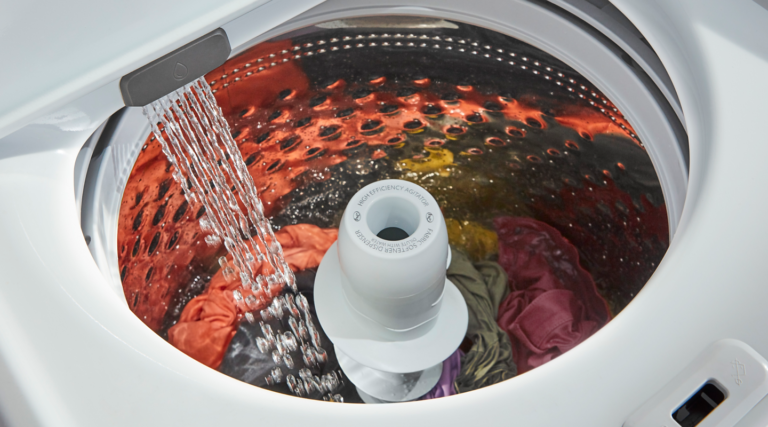
Machine washing large quilts requires a washing machine with a drum size that fits the quilt comfortably. Overloading the machine can cause uneven cleaning and damage. For more on machine capabilities, see the analysis on washing machine quality and capacity.
Removing Stains From Quilts
Stains are common on quilts and require special care. Pre-treat stains with a gentle stain remover before washing. Avoid bleach on colored quilts as it can cause damage. For tough stains, soak the affected area in cold water with mild detergent.
Always test stain removers on a small, hidden area of the quilt first. This prevents unexpected color loss or fabric damage. After stain removal, proceed with the gentle wash cycle to protect the quilt fabric types and stuffing.
If your quilt is vintage or delicate, laundering vintage quilts by hand is safer. Use cold water and gentle detergent, rinse well, and dry flat.
Drying Quilts After Washing
Drying quilts properly is as important as washing. Use quilt drying methods like air drying on a drying rack to maintain shape and fabric integrity. Avoid direct sunlight which can fade colors.
If using a dryer, select a low heat or air fluff setting. High heat can damage quilt stuffing and fabrics. Remove the quilt promptly after drying to prevent wrinkles. For bulky quilts, drying may take longer; consider drying in sections if possible.
To keep your quilt fresh between washes, use a quilt care instructions routine of airing it out and spot cleaning stains. This extends the quilt’s life and reduces washing frequency.
Hand Wash Vs Machine Wash Quilt
Deciding between hand wash vs machine wash quilt depends on quilt fabric types and age. Hand washing is best for delicate, antique, or handmade quilts. It prevents stress on fabric and stitching.
Machine washing works well for sturdy, modern quilts with good fabric care labels. Use gentle washing cycles and appropriate detergents. Always check the washing machine capacity for quilts to avoid damage from overcrowding.
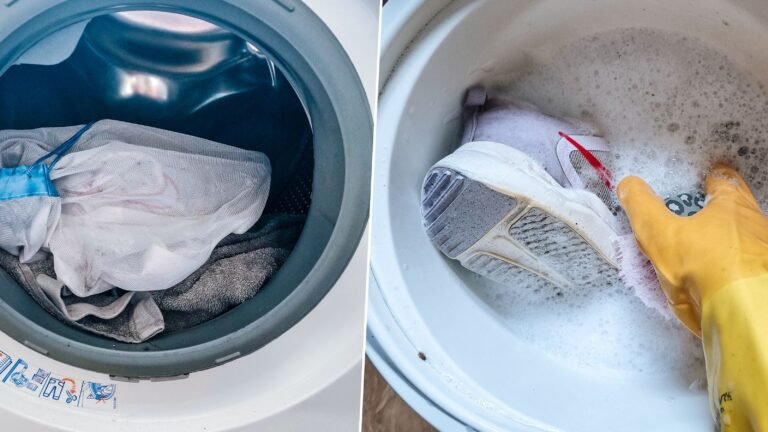
Using a laundry bag can protect quilts during machine washing by reducing friction and wear. This is especially useful for quilts with delicate embroidery or embellishments.
Laundering Vintage Quilts
Vintage quilts need special handling. Harsh washing machines and detergents can harm them. Gentle hand washing with cold water and mild detergent is safest. Avoid wringing or twisting the quilt to keep the fabric intact.
Dry vintage quilts flat on a clean surface or drying rack. This helps maintain their shape and prevents damage. For preservation, store quilts in breathable fabric bags away from direct light and moisture.
Industry experts recommend limiting washing frequency for vintage quilts to preserve their longevity and fabric quality.
Washing Comforters Vs Quilts
Comforters differ from quilts in fabric and stuffing. They often have thicker filling and different fabric care needs. Washing comforters usually requires a larger machine capacity and longer drying times.
:max_bytes(150000):strip_icc()/how-to-wash-down-filled-bedding-350482-81ec2947d5144bdca738bcefa5eb1fa9.png "How to Clean and Care for a Down Comforter or Duvet (Figure)")
Quilts are generally lighter and can be washed on gentle cycles with cold water. Comforters may need a delicate wash cycle quilts setting but with more rinse cycles. Always follow specific laundering instructions for each bedding type.
Both require proper drying to avoid mold and mildew. Air drying or low heat dryer settings are advised for both.
Quilt Washing Frequency
How often to wash quilts depends on use and exposure to dirt. Industry consensus suggests washing quilts every six to twelve months. More frequent washing is needed if the quilt is heavily used or stained.
Regular airing out and spot cleaning can reduce the need for full washes. Keeping quilts clean extends their life and preserves fabric and stuffing quality.
For best quilt care instructions, always store quilts properly when not in use and avoid exposure to harsh sunlight or moisture.
Conclusion
Washing quilts in a washing machine is possible with the right precautions. Use gentle cycle quilt washing settings, cold water, and mild detergents. Check the washing machine capacity for quilts to avoid damage. For vintage or delicate quilts, hand washing is safer.
Proper drying methods and stain removal also help preserve your quilt’s life. Follow quilt care instructions closely to keep your quilt fresh and beautiful. For more on washing machine performance and care, visit the detailed guide on washing machine quality.
By following these expert tips, you can enjoy your quilt for many years while keeping it clean and safe.
| Setting | Recommended Option |
|---|---|
| Cycle | Delicate/Gentle |
| Water Temperature | Cold |
| Spin Speed | Low |
| Detergent | Mild, for delicate fabrics |
Choosing the correct settings helps maintain quilt quality and longevity. Adjust based on quilt fabric types and washing machine features.
Always remove quilts promptly after washing to reduce wrinkles and preserve stitching.
| Fabric Type | Washing Advice |
|---|---|
| Cotton | Machine wash gentle, cold water |
| Linen | Hand wash or gentle cycle, cold water |
| Silk | Hand wash only, mild detergent |
| Polyester | Machine wash gentle, low heat drying |
Knowing your quilt fabric helps select the best quilt washing machine safe method.
For vintage quilts, avoid machine washing unless specified safe by the label or expert advice.
| Method | Pros | Cons |
|---|---|---|
| Hand Wash | Gentle on fabric, preserves vintage quilts | Time-consuming, requires careful drying |
| Machine Wash | Convenient, effective for modern quilts | Risks damage if wrong settings used |
Choose the method that best suits your quilt’s age, fabric, and washing machine features.
Using a laundry bag or mesh net can protect quilts during machine wash cycles.
Frequently Asked Questions
Is it safe to wash quilts in a washing machine?
Yes, many quilts can be washed in a washing machine if you use the right settings and detergents. Always check the quilt care instructions before washing.
What is the best washing cycle for quilts?
A delicate or gentle cycle with cold water is best for washing quilts. This helps protect the fabric and stuffing from damage.
Should I hand wash or machine wash my quilt?
Hand washing is safer for vintage or very delicate quilts. Machine washing is fine for most modern quilts if you use gentle settings.
How do I dry a quilt after washing?
Air drying on a drying rack is best. You can also use a low heat setting in the dryer, but avoid high heat to prevent damage.
How often should I wash my quilt?
Washing frequency depends on use. Generally, washing quilts once or twice a year is enough unless there are stains or heavy use.

Michael Peterson is a home appliance writer focused on practical washing machine care, maintenance, and troubleshooting. He shares simple, reliable tips to help readers keep their washing machines running efficiently, avoid common problems, and extend appliance life.