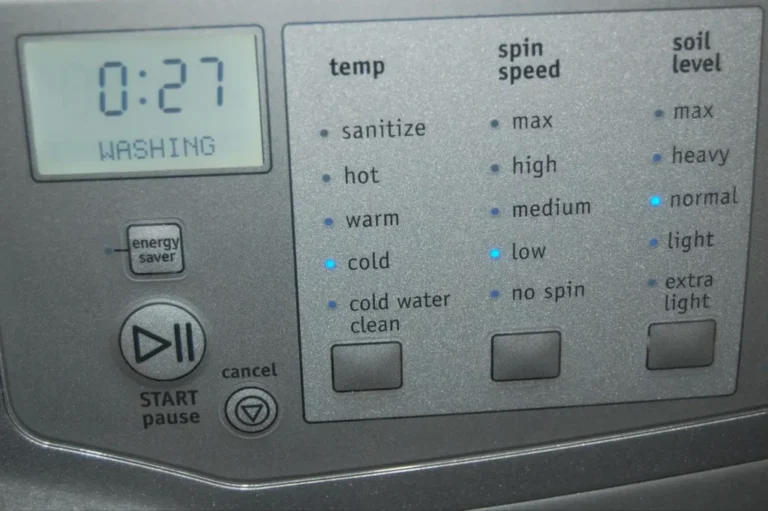
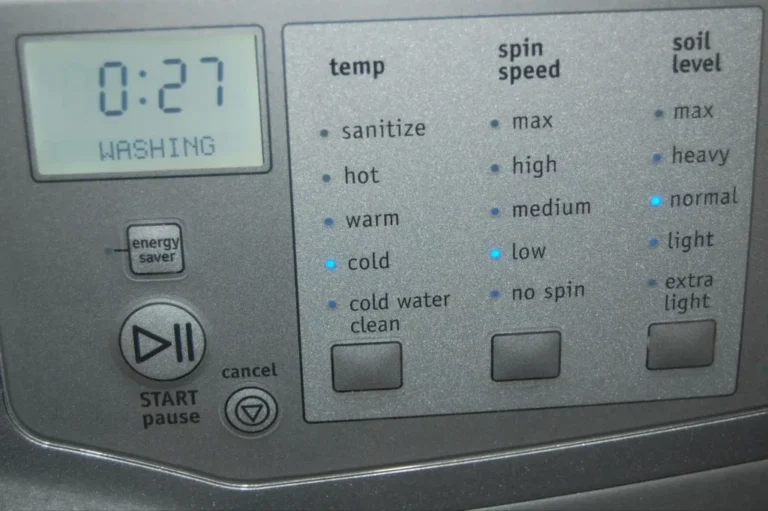
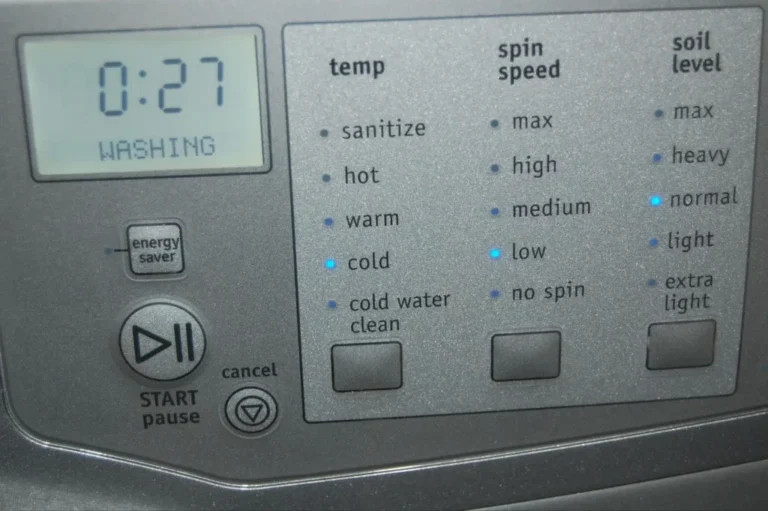
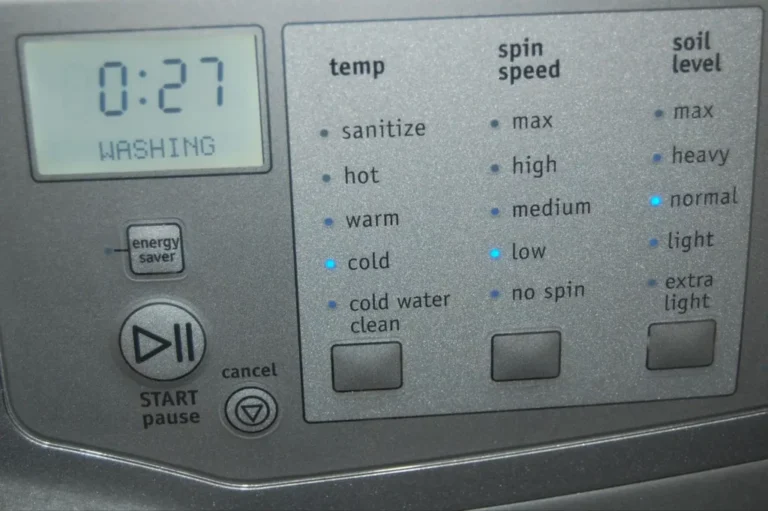
Understanding Warm Temperature in Washing Machines
Washing machines offer several temperature settings to suit different fabric types. Warm temperature is one of the most common choices. But what does ‘warm’ really mean in terms of degrees? Industry consensus indicates that warm water usually ranges between 90°F and 110°F (32°C to 43°C). This setting balances cleaning power and fabric care well.
Knowing this temperature helps you choose the right washing machine cycle for your clothes. For delicate fabrics, warm water is often safer than hot water, which can cause damage. For everyday laundry, warm water provides good stain removal without excessive energy use.
For a deeper understanding of this mechanic, analyzing resources on washing machine temperature guide provides excellent foundational context.
Warm water temperature is controlled by the washing machine water thermostat. This part regulates the water heating element inside the machine. It helps maintain the set temperature during the laundry cycle to ensure consistent cleaning performance.
Warm Water Washing Benefits
Washing with warm water has several advantages over cold or hot water. Warm water dissolves detergent more effectively. This means your detergent works better to remove dirt and stains.
Warm water also helps eliminate oils and greases better than cold water. It is less harsh than hot water, which can fade colors or shrink fabrics. Warm water washing is a good choice for mixed loads with various fabric types.
Energy use warm wash is moderate. It uses less energy than hot water washing but more than cold water. This trade-off often leads to cleaner clothes without a big rise in your energy bill.
Warm water cleaning power is especially useful for removing common stains like food or sweat. It activates enzymes in detergents that break down protein and oil stains effectively.
Choosing the Optimal Laundry Temperature
Picking the right temperature depends on fabric type, soil level, and the goal of your wash. For cottons and durable fabrics, warm water is usually best. It cleans well and keeps clothes in good shape.
Delicate fabrics like silk or wool often need cooler temperatures. The temperature for delicate fabrics is typically cold or cool warm, around 80°F (27°C). Using warmer water on these can risk fabric damage.
Many washing machines come with a temperature guide or chart. This helps users select the right temperature based on fabric and soil levels. Following these guidelines reduces fabric damage risk while improving cleaning results.
Below is a general washing machine temperature chart illustrating common settings and their best uses.
| Temperature Setting | Temperature Range (°F) | Best For |
|---|---|---|
| Cold | 60-80 | Delicates, bright colors, lightly soiled |
| Warm | 90-110 | Most fabrics, moderate stains |
| Hot | 120-140 | Whites, heavy soil, sanitizing |
Choosing the right temperature also depends on your detergent. Modern detergents are often formulated to work well in cold or warm water. However, warm temperatures boost detergent efficiency by dissolving ingredients better.
:max_bytes(150000):strip_icc()/wash-with-the-right-water-temperature-2146348_FINAL-5bb51fb24cedfd0026d1752b.png "The Best Washing Machine Temperature for Laundry (Figure)")
For delicate fabrics or items with special care labels, use the washing machine warm cycle with caution. Some machines offer a ‘warm wash for sanitizing’ option. This raises temperature just enough to kill germs without harsh effects on fabric.
Warm vs Hot Water Laundry
Hot water washing reaches higher temperatures, usually above 120°F (49°C). It is powerful for sanitizing and removing tough stains. However, hot water can cause faster wear and fading of many fabrics.
Warm water is gentler and safer for most laundry. It offers good stain removal with a lower risk of fabric damage. Warm water also consumes less energy than hot water, making it more eco-friendly.
Many households now prefer warm cycles for routine washing. This choice balances cleaning and fabric care while cutting energy use. Hot water cycles are often reserved for very dirty items or sanitizing needs.
Energy consumption differences between warm and hot water vary by machine model. Machines with efficient water temperature sensors and heating elements help maintain optimal temps with less waste.
How Warm Is Warm Water?
The phrase ‘warm water’ can be vague without numbers. In washing machines, warm water usually means about 90°F to 110°F (32°C to 43°C). This is warm enough to feel comfortable to the touch but not hot.
This temperature range activates detergent enzymes and improves cleaning. It also helps in stain removal warm water processes where oils and proteins are broken down.
Warm water at this level is safe for most clothing types, including polyester and cotton blends. It is less likely to cause shrinkage or color loss compared to hot water.
Check your washing machine’s manual for its specific temperature options. Some models allow you to adjust warm water temps slightly for better results.
Temperature Impact on Detergent
Detergent efficiency depends greatly on water temperature. Warm water dissolves detergent better than cold, ensuring ingredients spread evenly in the wash.
:max_bytes(150000):strip_icc()/laundry-and-water-temperature-1900646-FINAL-5baa47d946e0fb0025b1cda9.png "A Washing Machine Temperature Guide (for Most Brands) (Figure)")
Enzymes in many detergents work best between 90°F and 110°F. These enzymes break down stains like food, sweat, and grass effectively. Cold water washing may require specialized detergents to get the same effect.
Using warm water can also reduce the need for harsh chemicals or bleach. It helps detergents clean well with lower environmental impact.
Always match detergent type with water temperature and fabric care label. Some detergents are designed specifically for warm or cold water cycles.
Fabric Care and Warm Temperatures
Clothing care labels guide you on the best washing temperatures. Warm water is safe for many fabrics but not all. For example, delicate fabrics like silk, wool, or microfiber need cooler settings.
Using the wrong temperature on delicate fabrics can cause shrinkage, color fading, or fiber damage. Warm water washing effects vary by fabric type and garment construction.
Microfiber fabrics benefit from warm water as it helps release dirt without damage. But always test or follow care labels. For mixed loads, selecting a warm cycle that suits the most delicate item is wise.
For more tips on fabric care and washing, see our article on what does spinning do washing machine. Proper spinning combined with correct temperature boosts washing performance.
Stain Removal and Warm Water
Warm water improves stain removal by activating detergents and loosening soils. Stains like grease, oil, and protein respond well to warm water cleaning power.
Cold water may struggle with these stains unless special detergents are used. Hot water can remove tough stains but risks fabric damage.

Warm water also works well with prewash or soak cycles. It helps prepare clothes for the main wash by softening stains.
For removing stains effectively at home, consider the temperature guide washing clothes and stain removal warm water tips.
| Stain Type | Best Water Temp | Notes |
|---|---|---|
| Grease/Oil | Warm (90-110°F) | Warm water dissolves oils well |
| Protein (Blood, Sweat) | Cold to Warm | Cold preserves proteins, warm activates enzymes |
| Dirt/Mud | Warm | Warm loosens dirt effectively |
| Ink/Color | Cold | Cold prevents color bleeding |
Understanding how water temperature affects stain removal helps optimize laundry results. Use warm water for common stains but cold for color-sensitive fabrics.
Energy Use and Environmental Impact
Washing machines use energy mainly to heat water. Warm water cycles use more energy than cold but less than hot cycles. This makes warm water a middle ground for cleaning and energy savings.
Modern washers with efficient water temperature sensors and heating elements reduce wasted power. Choosing warm cycles can cut your energy bills compared to hot washes.
Using warm water also means you need fewer harsh chemicals, which benefits the environment. Detergents work better and rinse out cleaner at warm temperatures.
For those concerned about energy use, consider how your washing machine temperature options affect overall consumption. Read about how much power washing machine use for detailed energy insights.
Conclusion
Warm temperature on washing machines usually means water heated between 90°F and 110°F. This range offers a strong cleaning boost without harming most fabrics.
Warm water improves detergent efficiency, removes common stains, and balances energy use well. It is best for everyday laundry and mixed fabric loads.
However, always check fabric care labels and washing machine temperature charts to avoid damage. Delicate fabrics often need cooler settings.
Choosing warm or hot water depends on your laundry needs. Warm water washing is a smart, energy-conscious choice that keeps clothes clean and well cared for in 2026.
Frequently Asked Questions
What temperature range does ‘warm’ water usually cover in washing machines?
Warm water in washing machines typically ranges from 90°F to 110°F (32°C to 43°C). This range offers a balance between cleaning power and fabric care.
Is warm water better than hot or cold for washing clothes?
Warm water often cleans better than cold and is gentler than hot water. It helps remove stains and dirt while protecting most fabrics from damage.
Can warm water damage delicate fabrics?
Delicate fabrics usually require cooler temperatures. Warm water can sometimes cause shrinkage or wear, so use the temperature guide washing clothes and check the fabric care label.
Does washing with warm water use more energy than cold water?
Yes, warm water uses more energy than cold water because the washing machine’s water heating element raises the temperature. However, warm water can reduce the need for harsh chemicals.
How does water temperature impact detergent efficiency?
Warm water improves detergent efficiency by dissolving powders and liquids better. It activates enzymes in detergents that help break down stains more effectively than cold water.

Keith Boyd Is A Seasoned Appliance Care Expert With Over A Decade Of Experience In Home Appliance Maintenance. His Authoritative Insights On Washing Machine Care And Upkeep Are Trusted By Homeowners Nationwide. With A Passion For Educating Others, Keith Shares Valuable Tips That Ensure Your Appliances Run Smoothly For Years To Come.