Understanding Bed Bugs and Their Life Cycle
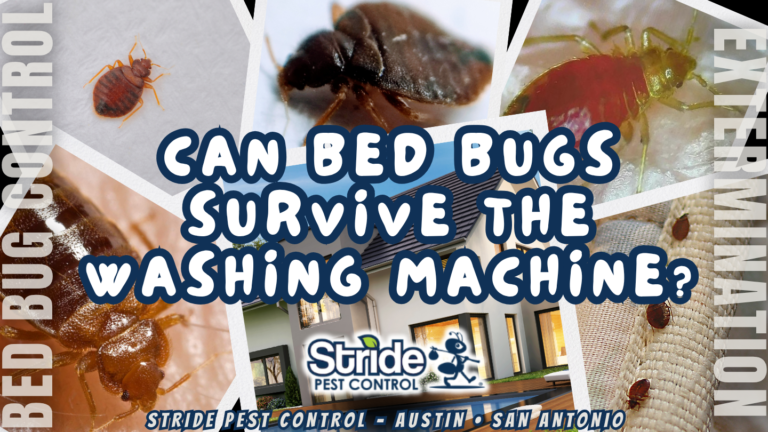
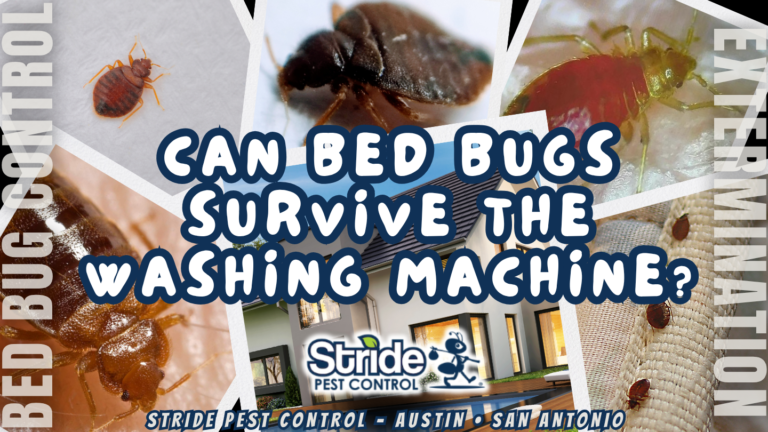
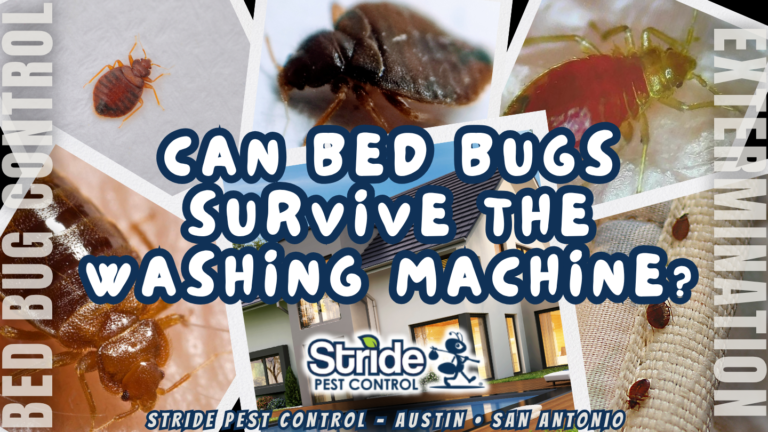
Bed bugs, scientifically known as Cimex lectularius, are tiny pests that feed on human blood. They go through several stages: eggs, nymphs. And adults. Each stage has different survival skills. Eggs are tough and can survive harsh conditions. Nymphs and adults are more vulnerable to heat and chemicals. Knowing their life cycle helps in choosing the right pest control methods.
Bed bug eggs can survive for days without hatching if conditions are not right. This means that even if adults die, eggs might still hatch later. For effective bed bug elimination, treatments must target all life stages. This makes laundry routines a key part of pest control.
When dealing with bed bugs, it’s also important to know their hiding spots. They like cracks, seams of mattresses. And furniture joints. These places protect them from light and heat, making treatment harder. Laundry alone cannot solve infestations but is a useful tool in a larger pest control plan.
For a deeper understanding of this mechanic, analyzing resources on washing machine use against bed bugs provides excellent foundational context.
Washing Machine Temperature and Bed Bug Survival
Temperature is the most important factor when using a washing machine to kill bed bugs. Industry consensus indicates that bed bugs die when exposed to temperatures above 50°C (122°F) for several minutes. However, the thermal death point is usually set higher to ensure all pests, including eggs, are killed.
Hot water washing at 60°C (140°F) or above is recommended to kill bed bugs in all stages. Washing at cold or warm temperatures is not effective. The cold water washing effect on bed bugs is minimal. Bed bugs and their eggs can survive and even spread if laundry is done in cold water.
Drying clothes after washing is also critical. Dryers set to high heat (above 50°C) kill remaining bed bugs and eggs. The drying machine temperature settings must be adjusted to the highest safe level for the fabric. Longer laundry cycle duration and heat exposure increase the chance of complete bed bug elimination.
Regular washing machine cycles may not always reach these temperatures. Some modern machines have eco-friendly modes that use lower heat, which is less effective for pest control. Users should check the washing machine’s temperature settings to ensure they meet the temperature threshold for bed bug kill.
Bed Bug Eggs Survival and Laundry Bed Bug Treatment
Bed bug eggs are the hardest to kill with laundry alone. They have a protective shell that resists heat and chemicals. Studies in entomology show that eggs can survive short hot washes but die during longer exposure to high heat in dryers.
Because eggs survive washing more than drying, combining washing and drying is the best practice. Laundry sanitizing agents may help but are not a full solution. Using steam treatment on bedding and furniture can also target eggs in hiding spots.
Washing bed sheets for bed bugs should always be followed by drying on high heat. This two-step process is the most reliable laundry bed bug treatment. Avoid using cold water or gentle cycles when treating infested laundry.
Household pest control washing protocols should include separate bags for infested clothes to avoid cross contamination. Laundry hamper contamination is common, so cleaning or isolating hampers is necessary to prevent fomite transmission.
Preventing Laundry Infestation Risks
Laundry infestation risks rise when bed bugs survive washing and spread to clean clothes. To prevent this, use sealed bags for dirty laundry. Wash infested clothes separately and disinfect laundry areas regularly.
Using laundry sanitizers designed for pests can reduce risks but do not replace heat treatment. Avoid overcrowding the washing machine as it reduces washing effectiveness. Pumping water pressure in machines matters less than temperature and cycle length.
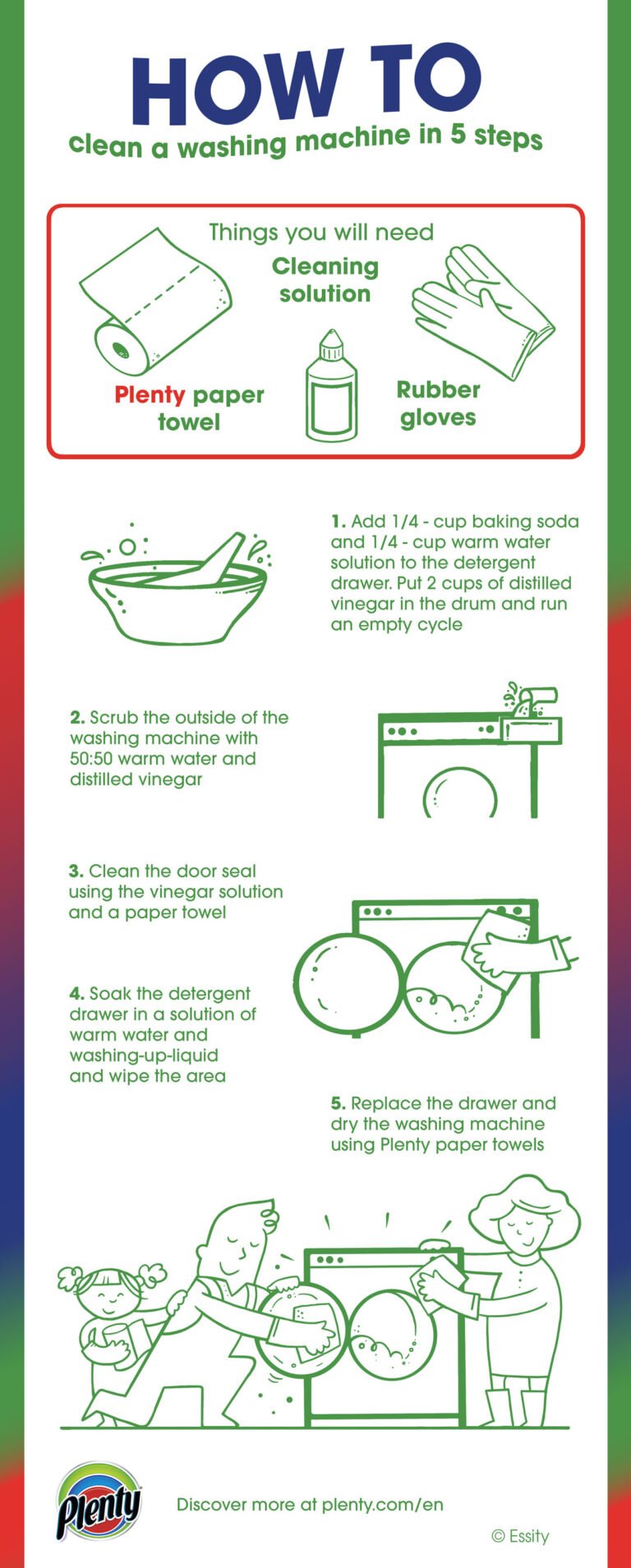
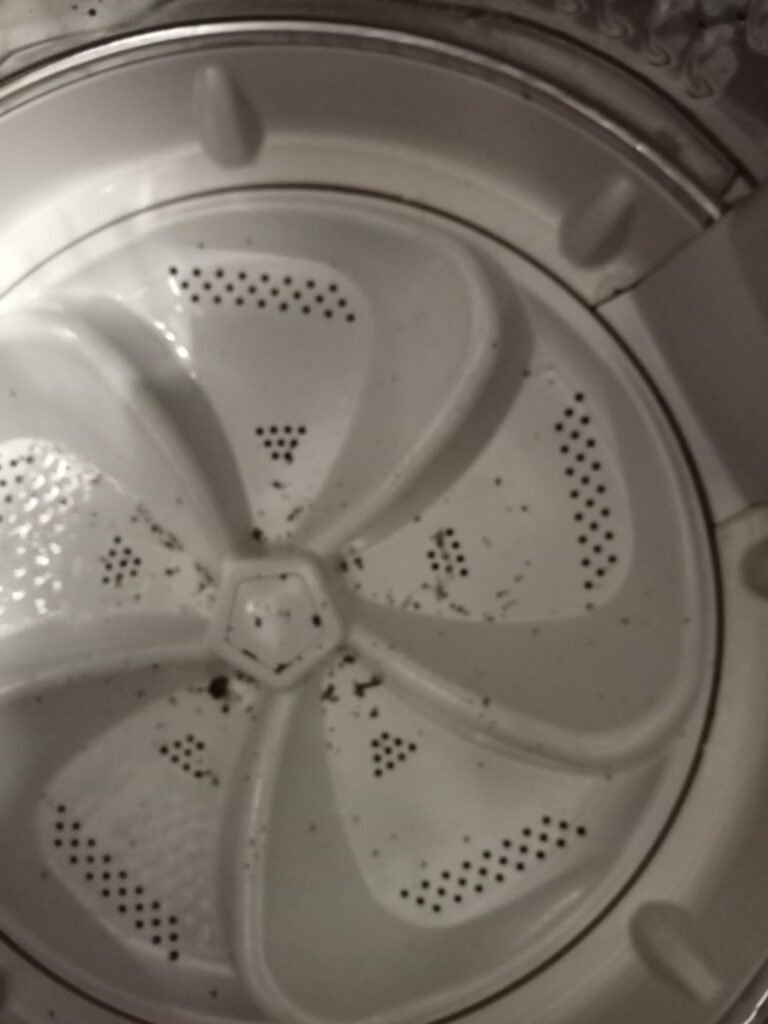
Users should also clean washing machines periodically. Dirty machines can harbor pests and bacteria. Learning how to clean and sanitize washing machine helps stop residual infestations and improves hygiene.
:max_bytes(150000):strip_icc()/Handle-bed-bug-infestation-laundry-2146304-V1-899a4efc4ca54972959fafa4c1263cf4.png "How to Wash and Care for Laundry Infested With Bed Bugs (Figure)")
Following bed bug prevention tips, such as inspecting second-hand clothes before washing, reduces chances of infestation. Proper laundry habits are part of a wider pest control strategy.
Heat Treatment vs Chemical Pest Control Methods
Bed bug extermination techniques include chemical sprays and heat treatments. Chemical pest control faces challenges due to insecticide resistance in bed bugs. Heat treatment for bed bugs is gaining popularity because it kills all life stages without harmful chemicals.
Heat treatments involve raising room temperatures to above 50°C for several hours. This is not always practical for homes but can be done by professionals. Laundry heat treatment complements this by killing bugs on clothes and bedding.
Using chemical sprays alone may leave residual infestations, especially in hiding spots. Combining chemical and heat pest control methods often yields the best results. Experts recommend heat treatment for bed bugs as part of integrated pest management.
Steam treatment is another heat method that targets bed bug hiding spots directly. It is safe for household items and helps reduce chemical use.
Laundry Best Practices for Bed Bug Elimination
To maximize bed bug elimination through laundry, follow these steps:
- Sort infested laundry separately in sealed plastic bags.
- Use hot water washing at 60°C or higher.
- Choose the longest laundry cycle duration suitable for fabric.
- Dry clothes immediately after washing on high heat settings.
- Clean the washing machine regularly to prevent contamination.
- Steam clean non-washable items or furniture.
These steps reduce the chance of survival for bed bugs and eggs. Avoid cold water washing and low heat drying, as they allow bed bugs to survive and spread.
Regular monitoring of bed bug hiding spots and combining laundry with professional pest control protocols helps ensure full elimination.
Here is a table showing temperature effects on bed bug stages:
| Bed Bug Stage | Survival Threshold | Effective Laundry Treatment |
|---|---|---|
| Eggs | Above 50°C for 30+ minutes | Drying on high heat after washing |
| Nymphs | Above 45°C for 10 minutes | Hot water washing + drying |
| Adults | Above 45°C for 10 minutes | Hot water washing + drying |
Following these guidelines ensures the highest chance of killing bed bugs during laundry.
Conclusion
Can bed bugs survive in the washing machine? The answer depends on the temperature and cycle used. Cold or warm water washing alone will not kill bed bugs or their eggs. Hot water washing at 60°C or higher combined with high heat drying is necessary for effective bed bug elimination.
Understanding the bed bug life cycle and their hiding spots helps in making laundry a strong tool in pest control. Using heat treatment and proper laundry protocols reduces the risk of residual infestations and cross contamination.
For those facing bed bug problems, integrating laundry heat treatment with professional pest control techniques is best. Regular cleaning of the washing machine and laundry areas also helps prevent reinfestation.
Remember, laundry is one part of a full bed bug elimination strategy. Knowing how to clean and sanitize your washing machine properly can also aid in preventing pest spread. Learn more about washing machine sanitization techniques to keep your laundry safe and pest-free.
By following these expert tips and using heat wisely, you can stop bed bugs from surviving your washing machine and keep your home clean and healthy.
Frequently Asked Questions
Can washing clothes kill bed bugs?
Yes, washing clothes at high temperatures can kill bed bugs, including adults and nymphs, but eggs are more resistant.
What washing machine temperature kills bed bugs?
A washing temperature of at least 60°C (140°F) is required to kill bed bugs effectively.
Can bed bug eggs survive washing machine cycles?
Bed bug eggs are resistant and may survive standard washing cycles unless exposed to very high heat during drying.
Is heat treatment better than chemical methods for bed bugs?
Heat treatment is often more effective as bed bugs can develop insecticide resistance, but a combination of both may be needed.
How can I prevent bed bugs from spreading through laundry?
Use sealed laundry bags, wash at high temperatures, and avoid cross contamination by cleaning hampers and machines.

Keith Boyd Is A Seasoned Appliance Care Expert With Over A Decade Of Experience In Home Appliance Maintenance. His Authoritative Insights On Washing Machine Care And Upkeep Are Trusted By Homeowners Nationwide. With A Passion For Educating Others, Keith Shares Valuable Tips That Ensure Your Appliances Run Smoothly For Years To Come.