What Is Bulky Laundry?
Bulky laundry means large or heavy items that do not fit well with normal clothes in a washing machine. These include blankets, comforters, pillows, and thick coats. Such items take up more space and weight in the washer drum. Because of this, they need special care and settings to get cleaned well.
Industry consensus indicates bulky laundry is defined by its size and fabric thickness. These items require more water and gentler handling. For a deeper understanding of this mechanic, analyzing resources on washing large loads or bulky items in a washer provides excellent foundational context.
Bulky Cycle Explained
The bulky cycle, also called washer bulky mode, is a special washing machine cycle. It adjusts water levels, cycle time, and spin speed. This helps clean heavy laundry loads without damaging the fabric or the machine.
During this cycle, the washer uses a slower spin speed to avoid imbalance. It also adds more water to soak bulky fabrics fully. The cycle duration is usually longer than regular cycles to remove dirt well.
Modern washers often have soil level sensors. These sensors detect how dirty the bulky items are. The machine then adjusts the wash time and water accordingly. This ensures an efficient clean while saving energy when possible.
How to Wash Bulky Items Properly
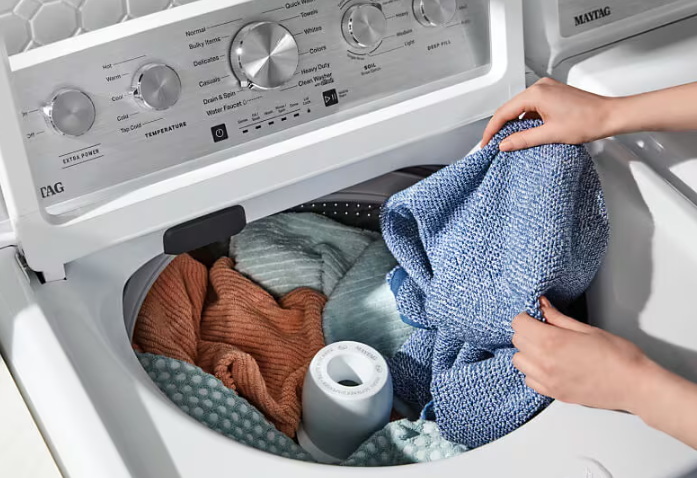
To wash bulky items like blankets and pillows, you should use the bulky cycle for best results. First, make sure the bulky item fits well in your washer drum but still has room to move.
Use a detergent suitable for heavy fabrics. Avoid too much detergent as it can leave residue. Adjust the water level to high or extra large if your machine allows it. This helps soak the bulky fabric fully.
For better care, consider washing bulky clothes separately from regular laundry. This prevents uneven washing and reduces the risk of damage.
For more guidance on washing large items, exploring advice on how to wash a comforter in a washing machine can be very helpful.
Bulky vs Regular Wash: Key Differences
Bulky load cycles differ from regular washes mainly in water use, cycle length, and spin speed. Regular cycles use less water and spin faster. This works well for smaller, lighter clothes.
Bulky cycles use more water and spin slower. This avoids damage and keeps the machine balanced. The longer cycle duration means heavy dirt and stains get cleaned better from thick fabrics.
| Feature | Bulky Cycle | Regular Cycle |
|---|---|---|
| Water Level | High/Extra Large | Normal/Low |
| Spin Speed | Slow | Fast |
| Cycle Duration | Longer | Shorter |
| Load Type | Heavy or Large Items | Normal Clothes |
These differences help protect bulky fabrics and keep your washer working well for a long time.
Washer Capacity and Bulky Items
Washer capacity is important when washing bulky items. Large items need more room to move inside the washer drum. Overloading can lead to poor cleaning and machine imbalance.
Check your washer’s load capacity and compare it to the size of your bulky item. If the item is too big, consider using a commercial washer with a larger drum.
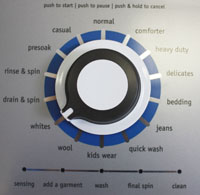
:max_bytes(150000):strip_icc()/how-to-select-the-correct-cycle-2145866_FINAL-10d1b95640284e0a8d01d4523455c7ee-25c018a4c0304212a13315b7ab181e33.png "How to Select Washer Settings for Clothes and Towels (Figure)")
Adjusting washer settings for bulky items includes choosing the bulky cycle and setting water levels high. This protects your machine and ensures a clean wash.
1. Check item size against washer capacity.
2. Select bulky or large item wash setting.
3. Use appropriate detergent amount.
4. Set water level to high.
5. Avoid overloading.
6. Start the cycle and check balance during spin.
Features of a Bulky Laundry Cycle
Bulky laundry cycles have special features to handle heavy fabrics. These include:
- ✅ Extra water for deep soaking
- ✅ Slower spin speeds to prevent imbalance
- ✅ Longer cycle duration for thorough cleaning
- ✅ Soil level sensors to adjust wash time
- ✅ Fabric care options to protect delicate bulky items
These features work together to clean items like heavy blankets and pillows safely. Using the bulky cycle benefits both your fabric and machine lifespan.
Tips for Washing Bulky Fabrics
When washing bulky fabrics, keep these tips in mind:
- Use the bulky cycle or bulk wash setting
- Do not overload the washer drum
- Choose the right detergent for heavy fabrics
- Balance the load by adding smaller items if needed
- Check care labels for water temperature and drying instructions
Following these tips helps maintain fabric softness and prevents damage.
Washing Bulky Blankets and Heavy Items
Blankets, comforters, and heavy pillows are common bulky laundry. They need special care to avoid clumping or damage. The bulky cycle is designed for this purpose.
Use a gentle detergent and select the correct water temperature based on fabric care instructions. Avoid using fabric softeners that may reduce absorbency.
| Item | Recommended Washer Setting | Spin Speed | Water Level |
|---|---|---|---|
| Heavy Blanket | Bulky Cycle | Slow | High |
| Comforter | Bulky Cycle | Slow | High |
| Pillows | Bulky or Delicate | Slow | Medium to High |
If unsure, always check your washer’s manual for specific bulky load cycle features.
Benefits of the Bulky Load Cycle
The bulky load cycle offers many benefits. It cleans heavy and large items better than regular cycles. It also prevents damage to fabrics and keeps the washer balanced during spin, reducing wear on the machine.
Additionally, this cycle uses water efficiently by adjusting levels to the load size and soil level. This saves energy while giving a deep clean.
Choosing the bulky cycle is the best way to care for thick, heavy laundry items without risking damage or poor cleaning results.
Conclusion
Understanding what bulky means on a washing machine helps you choose the right cycle for large and heavy laundry. The bulky cycle uses special settings like extra water, slower spin speed, and longer wash times. These help clean bulky fabrics like blankets, comforters, and pillows safely and well.
Always check your washer’s capacity and fabric care instructions. Using the bulky cycle benefits both your laundry and your machine. For more on washing big items, see our guide on how to wash shower liner.
By following these expert tips, you keep your bulky fabrics soft and your washer running smoothly for years.
Frequently Asked Questions
What is considered bulky laundry?
Bulky laundry includes large or heavy items like blankets, comforters, pillows, and heavy coats that are too big or thick for regular washing cycles.
How does the bulky cycle differ from a regular wash?
The bulky cycle uses more water, longer wash times, and slower spin speeds to clean large or heavy items gently without damaging the washer or fabric.
Can I wash blankets in a regular washing machine?
Yes, if your washer has a bulky or large item wash setting, but make sure the blanket fits loosely in the drum and follow fabric care instructions.
What are the benefits of using a bulky load cycle?
It helps clean heavy or bulky items better, protects fabrics from damage, and prevents washer imbalance during spin cycles.
How do I adjust my washer for bulky items?
Select the bulky or large item wash setting, add the right amount of detergent, and avoid overloading to ensure proper cleaning and machine balance.

Keith Boyd Is A Seasoned Appliance Care Expert With Over A Decade Of Experience In Home Appliance Maintenance. His Authoritative Insights On Washing Machine Care And Upkeep Are Trusted By Homeowners Nationwide. With A Passion For Educating Others, Keith Shares Valuable Tips That Ensure Your Appliances Run Smoothly For Years To Come.