Understanding Washing Machine Wattage
Washing machines use electricity to power motors, pumps, and heaters. The wattage tells us how much power the machine needs at a given time. Knowing this helps you understand energy usage and costs.
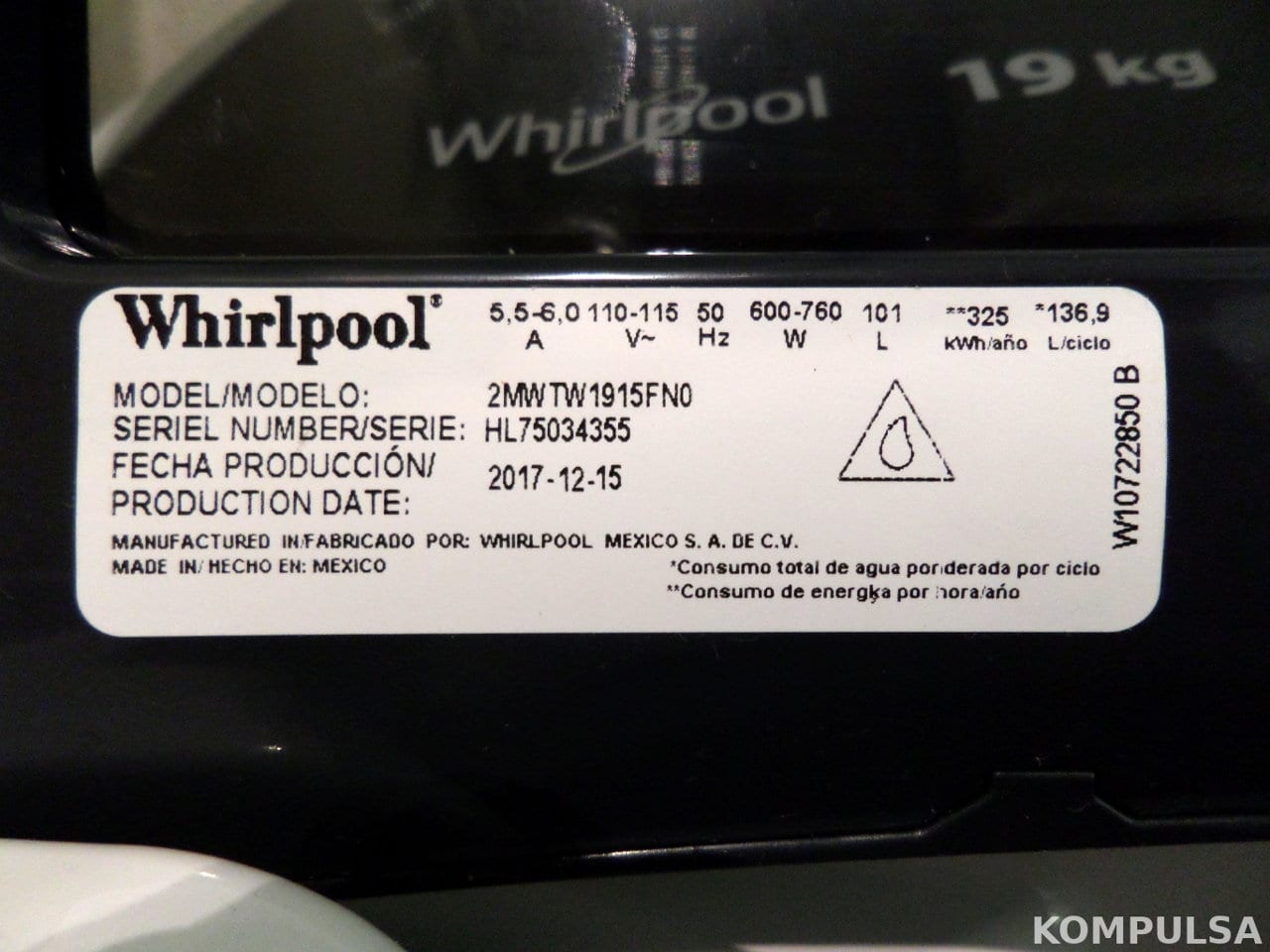
Average wattage depends on the machine type and cycle used. For example, running a hot wash uses more power than a cold one. On average, washing machines pull between 400 and 1300 watts during a cycle.
For a deeper understanding of this mechanic, analyzing resources on washing machine power consumption provides excellent foundational context.
It’s useful to know the typical washing machine motor wattage as the motor is the main power user. Modern inverter motors adjust power based on load and cycle, saving energy.
Knowing your washing machine’s wattage also helps when estimating your electricity cost washing machine adds to your bill.
Curious about how to save energy in your laundry? Check out tips on how to use bleach washing machine safely and effectively for better cleaning without wasting cycles.
Front Load vs Top Load Power Usage
There are two main types: front load and top load washers. Each has different energy needs.
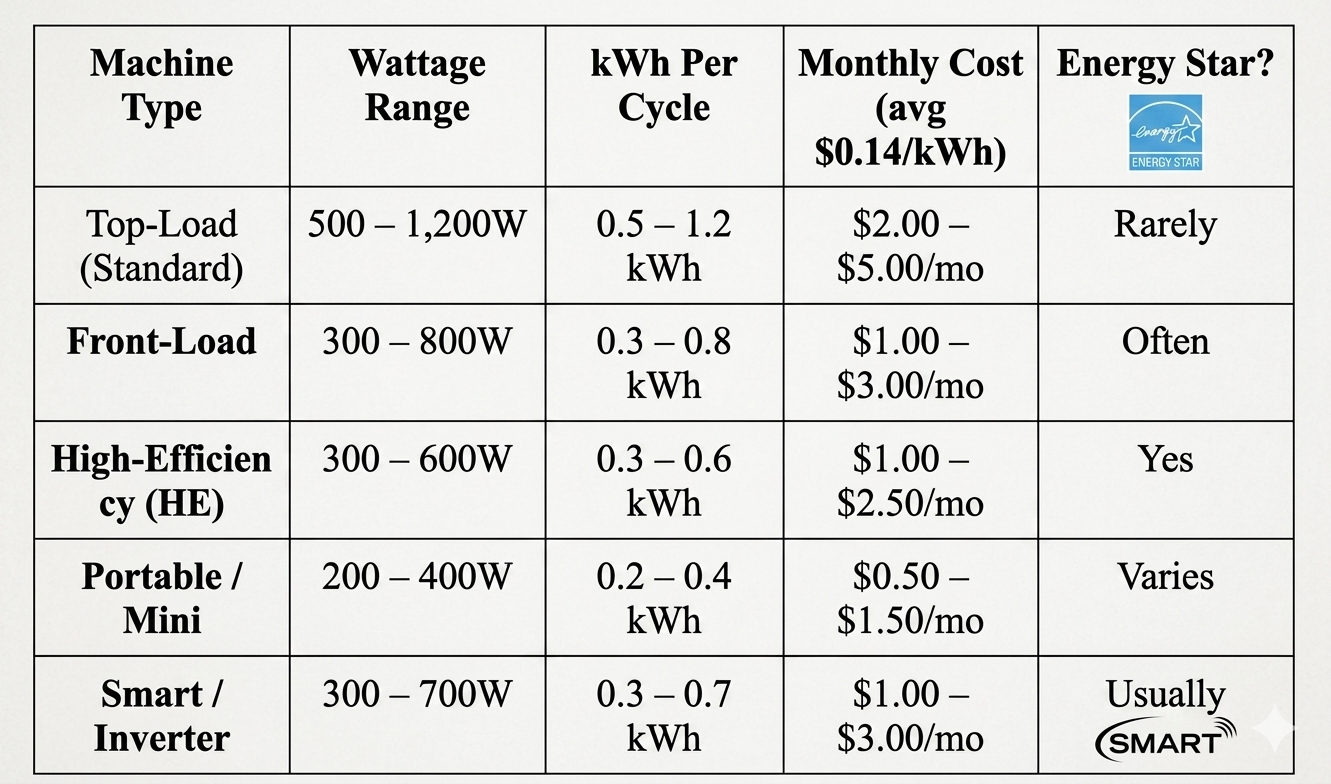
Front load washers typically use less water and electricity. Their average wattage is usually lower because they rely on a tumbling action rather than an agitator.
Top load washers often have higher wattage and water use. The agitator motor and longer cycles can increase energy consumption.
To choose wisely, consider both your laundry needs and energy efficiency. High efficiency washing machines often carry an energy star rating that confirms their low power use.
Understanding the differences in front load vs top load wattage can help reduce your home’s energy footprint.
 "How Many Watts Does A Washing Machine Use? | EnergySage (Figure)")
For example, a front loader might use around 500 watts, while a top loader could use 1000 watts or more during peak operation.
Using the right cycle and load size can also impact your total power use.
| Washing Machine Type | Average Wattage (Watts) | Energy Efficiency |
|---|---|---|
| Front Load | 400 – 800 | High |
| Top Load | 700 – 1300 | Moderate |
Remember, wattage varies by brand and model. Always check the washing machine energy label before buying.
Annual Energy Consumption and Electricity Costs
The annual energy consumption of a washing machine is measured in kilowatt-hours (kWh). This shows how much electricity it uses over a year based on typical use.
Energy ratings on machines help estimate this number. The lower the annual kWh, the less electricity the machine consumes yearly.
Electricity cost washing machine use depends on your local rates and how often you run it. Running multiple loads a week can add up.
For instance, a machine using 1 kWh per cycle running 200 cycles a year will use 200 kWh annually.
Knowing this helps plan your electric bill. Using a smart meter can track your washing machine electricity usage kWh precisely.
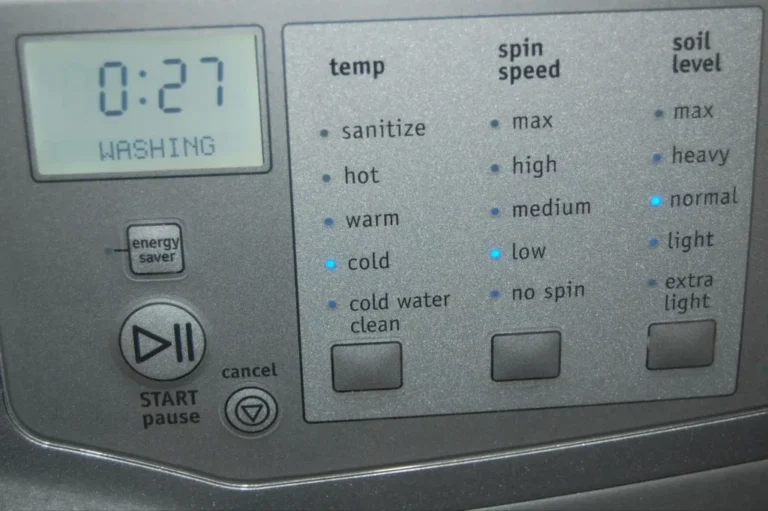
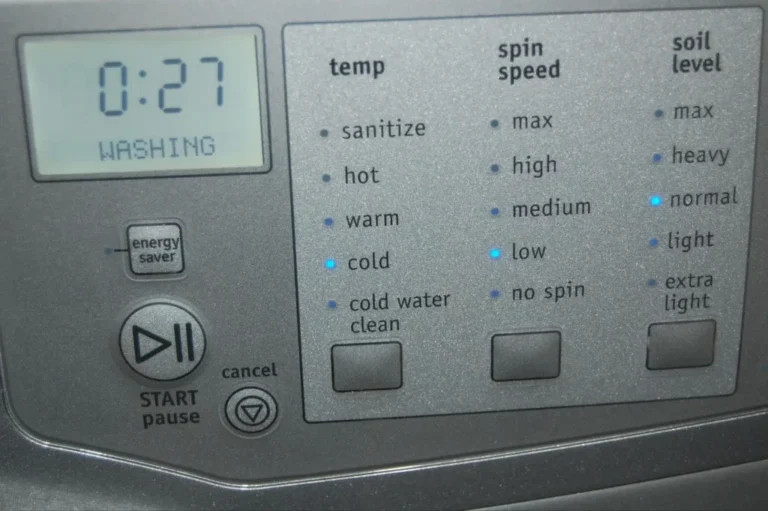
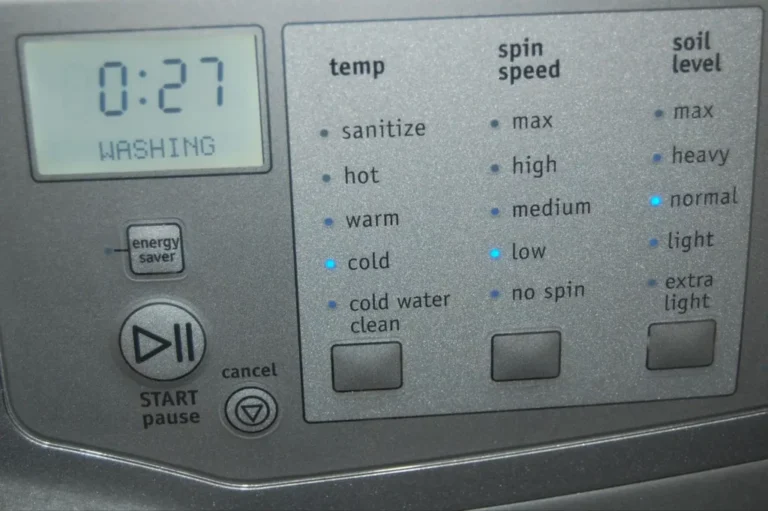
Smart washing machines often show energy use on their display, letting you pick the most efficient settings.
| Annual Cycles | Energy Use per Cycle (kWh) | Total Annual Energy Use (kWh) | Estimated Cost ($0.13/kWh) |
|---|---|---|---|
| 150 | 0.8 | 120 | 15.60 |
| 200 | 1.0 | 200 | 26.00 |
| 250 | 1.2 | 300 | 39.00 |
Note that heating water uses the most power in many cycles. Using cold water washes can save energy.
Energy Saving Tips for Washing Machines 🚀
Saving energy starts with how you use the machine. Here are top tips:
- ✅ Wash full loads to avoid wasting water and power.
- ✅ Use cold or warm water settings instead of hot.
- ✅ Choose high efficiency (HE) machines with inverter motors.
- ✅ Opt for shorter wash cycles when clothes are lightly soiled.
- ✅ Turn off the machine fully to avoid washing machine standby power drain.
Smart washing machines can optimize power use automatically. They adjust motor speed and cycle times to save energy.
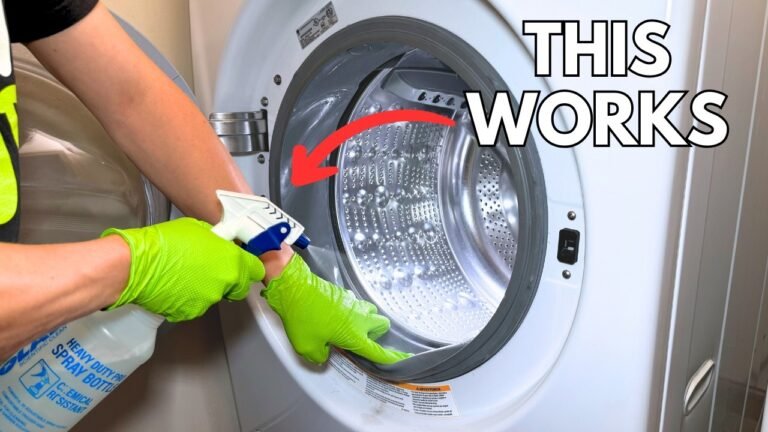
Also, keep your washing machine well-maintained. Clean filters and check for blockages to keep it running efficiently.
Energy labels and ratings guide you to the most efficient models, helping reduce your carbon footprint and save money.
In fact, many newer models have peak power draw limits that keep electricity use low during startup and spinning.
Washing Machine Electricity Usage kWh and Motor Power
The motor is the heart of the washing machine. Its power draw affects overall energy use.
Modern inverter motors use less power by adjusting speed based on load. This means the motor wattage is not constant but varies during cycles.
Typical washing machine current draw depends on the motor size and efficiency. Most home washers run on standard voltage (120V or 240V depending on country).
Peak power draw can reach the maximum motor wattage, but average use is lower during a cycle.
Understanding your machine’s voltage and wattage helps when calculating energy use and ensuring safe wiring.
For example, a motor rated at 500 watts running for 1 hour consumes 0.5 kWh of electricity.
| Component | Typical Wattage (Watts) | Notes |
|---|---|---|
| Motor | 300 – 800 | Depends on model and inverter tech |
| Heater | 1000 – 3000 | Only used in hot water cycles |
| Pump | 50 – 150 | For draining water |
| Standby | 1 – 5 | Power used when machine is off but plugged in |
Being aware of these helps reduce your power use. Using cold water and energy saving cycles avoids heating element use, which saves the most energy.
Conclusion ✅
Washing machines use varying wattage, mostly between 400 and 1300 watts depending on the type and cycle. Front load machines are generally more energy efficient than top load models.
Annual energy consumption depends on cycle length, temperature, and frequency of use. Using cold water, full loads, and energy-saving cycles can lower electricity costs.
Modern smart washing machines with inverter motors further reduce power use by adjusting to load and cycle needs. Turning off machines fully avoids standby power drain.
Checking the washing machine energy rating and label before purchase ensures you get an efficient model. Also, maintain your machine well to keep it running at peak efficiency.
By understanding wattage and energy use, you can make smarter choices that save money and help the environment.
Frequently Asked Questions
What is the average wattage of a washing machine?
Most washing machines use between 400 to 1300 watts during operation, depending on the model and cycle.
Do front load washing machines use less energy than top load?
Yes, front load washing machines generally have lower wattage and use less water and energy than top load models.
Does the washing machine use electricity in standby mode?
Yes, washing machines consume a small amount of electricity in standby, usually between 1 to 5 watts.
How does the washing cycle affect energy use?
Longer or hotter wash cycles increase electricity consumption, while shorter or cold cycles reduce it.
Are smart washing machines more energy efficient?
Smart washing machines with inverter motors and energy-saving features tend to have lower power consumption.

Keith Boyd Is A Seasoned Appliance Care Expert With Over A Decade Of Experience In Home Appliance Maintenance. His Authoritative Insights On Washing Machine Care And Upkeep Are Trusted By Homeowners Nationwide. With A Passion For Educating Others, Keith Shares Valuable Tips That Ensure Your Appliances Run Smoothly For Years To Come.