Understanding Tick Survival in Laundry
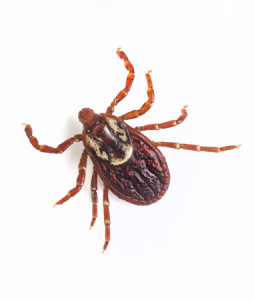
Ticks like Ixodes scapularis are tiny parasites that can stick to clothes. They carry diseases like Lyme disease and babesiosis. Many people wonder if washing clothes kills these ticks. The answer is not simple. Ticks can be tough and may survive some washing cycles.
Industry consensus indicates that washing alone, especially at low temperatures, may not kill all ticks. For a deeper understanding of this mechanic, analyzing resources on killing blacklegged ticks in washers and dryers provides excellent foundational context. This article covers how washing machines affect ticks and the best laundry methods to stop tick disease spread.
Proper laundry hygiene is key to interrupting the tick life cycle. Clothes can hold tick larvae, nymph ticks, and adults, which can survive outside a host animal for days. Washing and drying techniques help protect you from tick bites and disease transmission.
How Washing Machines Affect Ticks
Ticks cling to cloth fibers and can survive mild washing. Washing machine temperature plays a big role in tick survival. Cold or warm water often isn’t enough to kill all ticks. Some larvae and nymph ticks can resist water and detergents.
Longer washing cycles and strong detergents improve tick elimination. Adding laundry sanitizers helps kill parasites on fabrics. Still, many experts say ticks often survive washing but die in the drying cycle. Understanding the washing machine’s limits helps in choosing the right laundry settings.
In fact, laundry temperature for ticks should be at least 60°C (140°F) to have a good chance to kill them. Lower temperatures allow ticks to cling on fabrics and survive. Washing cycle duration matters too, with longer cycles increasing exposure to water and detergent.
These points highlight why many recommend drying clothes on high heat after washing to ensure ticks are killed.
For example, if you want to wash shoes safely, you can learn from guides about washing shoes in machines, which also touches on washing temperatures and cycle choices.
Effective Tick Elimination Methods in Laundry
Besides washing with hot water, using laundry sanitizer removes ticks better. These products contain chemicals that kill parasites. Adding sanitizer to your wash breaks the tick lifecycle by killing larvae and nymph stages.
Drying machines matter too. High heat from dryers kills ticks quickly. Running a full drying cycle on high temperature after washing is the best way to ensure ticks are dead.
Ticks resist water and survive cold or short washes. Heat exposure during drying affects ticks much more. This is why drying is a key step in laundry hygiene against ticks.
Here is a quick checklist for removing ticks from clothing:
- ✅ Wash clothes in hot water (above 60°C)
- ✅ Use strong washing detergents and laundry sanitizer
- ✅ Run a full drying cycle on high heat
- ✅ Check fabrics for ticks before washing
- ✅ Store clothes in sealed bags if tick infestation is suspected
Breaking the Tick Lifecycle with Laundry
Ticks go through several life stages: egg, larva, nymph, and adult. Each stage can hide in cloth fibers. Washing and drying interrupt this cycle by killing ticks before they attach to hosts.
Tick larvae and nymphs are the stages most likely to cling to clothes. They are tiny and hard to spot. Washing with heat and sanitizer stops them from spreading disease. The drying cycle’s high temperature is crucial for killing any survivors.

Preventing tick infestation in household laundry protects your family. Following laundry hygiene protocols helps remove ticks from fabrics and stops disease transmission.
| Tick Stage | Survival in Cold Wash | Survival in Hot Wash (≥60°C) | Survival in Dryer (High Heat) |
|---|---|---|---|
| Larva | High | Low | None |
| Nymph | High | Medium | None |
| Adult | Medium | Low | None |
The table shows how survival drops with higher temperatures. Dryers kill ticks at all stages.
Role of Washing Detergents and Sanitizers
Washing detergents disrupt tick survival by breaking down their protective outer layer. However, detergents alone may not be enough, especially at low temperatures.
Laundry sanitizers add chemical tick control. They kill ticks and other parasites resistant to water. Using both detergents and sanitizer maximizes tick elimination.
Industry experts recommend using detergents with proven parasite-killing ingredients. This adds an extra layer of protection when washing clothes exposed to ticks.
Proper washing combined with drying ensures ticks do not survive on fabrics, reducing risk of disease transmission.
For more tips on cleaning fabrics safely, see guides on cleaning stuffed animals without machines. It helps understand fabric contamination and hygiene.
Preventing Tick Infestation Through Laundry Hygiene
Tick infestation prevention starts with good laundry hygiene. Always wash outdoor clothes soon after use. Use hot water and laundry sanitizer when possible.

Dry clothes on high heat to kill ticks. Store clothes in sealed containers if you suspect tick exposure. Regular cleaning of washing machines also helps remove any ticks lurking inside.
Washing machine disinfection is recommended to avoid cross-contamination. Use bleach or vinegar cycles to keep machines clean.
Following these steps helps stop ticks from surviving in household laundry and prevents disease spread.
| Step | Action | Reason |
|---|---|---|
| 1 | Wash clothes ASAP after outdoor use | Reduces tick attachment time |
| 2 | Use hot water (≥60°C) and sanitizer | Kills most ticks |
| 3 | Dry on high heat | Ensures all ticks are dead |
| 4 | Clean washing machine regularly | Prevents tick buildup |
| 5 | Store clothes sealed if needed | Stops ticks from spreading |
Conclusion: Washing Machines Can Help, But Drying Is Key
Ticks can survive some washing machine cycles, especially if water temperature is low. Washing detergents and sanitizers reduce their numbers but may not kill all ticks.
The drying cycle with high heat exposure is the most effective way to kill ticks on clothes. Combining hot washing temperatures, good detergents, and full drying cycles interrupts the tick lifecycle and reduces disease risks.
Following proper laundry hygiene protocols helps prevent tick infestations in household laundry. Regular washing and drying after outdoor exposure is essential in 2026 to protect against tick-borne diseases.
For a deeper look at how drying affects ticks on clothes, check out the resource on how to kill ticks on clothes. It offers valuable insights into tick survival outside hosts and laundry elimination methods.
Frequently Asked Questions
Do ticks die in the washing machine?
Ticks can survive some washing machine cycles, especially if water temperature is low. High heat drying is more effective at killing ticks on clothes.
What laundry temperature kills ticks?
Washing clothes at temperatures above 60°C (140°F) helps kill ticks, but drying at high heat is the most reliable method.
How long should the washing cycle be to remove ticks?
Longer washing cycles with hot water and laundry sanitizer improve tick elimination, but drying cycles add an extra layer of safety.
Can ticks survive in clothes after washing?
Ticks, especially nymph and larval stages, can survive washing if the temperature and detergent are not adequate.
What methods best prevent tick infestations in laundry?
Using hot water, laundry sanitizer, and a high heat drying cycle combined with laundry hygiene protocols reduces the risk of ticks surviving on clothes.

Michael Peterson is a home appliance writer focused on practical washing machine care, maintenance, and troubleshooting. He shares simple, reliable tips to help readers keep their washing machines running efficiently, avoid common problems, and extend appliance life.