Introduction to Washing Towels
Cleaning your towels well keeps them soft, fresh, and long-lasting. Towels hold dirt and moisture, so they need the right care. Using proper washing machine settings for towels helps keep fibers strong and absorbent. In 2026, many eco-friendly products help clean towels without harming the environment. For a deeper understanding of towel washing methods, analyzing resources on towel washing routines provides excellent foundational context.
Keeping towels clean also means knowing how to remove towel odor and prevent lint. This guide covers all towel care after washing, from detergent choice to drying methods.
Washing Machine Settings for Towels
Use the washing machine towel cycle if your machine has one. This cycle uses extra water and a longer wash time to clean towel fibers deeply. Towels need a strong wash to remove oils and dirt. Set the water temperature to warm or hot based on towel fabric care instructions. Hot water kills bacteria but can fade colors and shrink cotton towels if too hot.
Choose a medium or large wash load size to allow towels room to move. Overloading the machine can trap dirt and lint. A balanced load also helps the washing machine work well and avoid damage.
For optimal fabric care and hygiene, learn how to use bleach in washing machine safely to whiten towels and remove stains.
Choosing the Best Detergent for Towels
Detergents designed for cotton and microfiber towels work best. They clean deep without harming fibers. Use the right amount of detergent for the load size. Too much detergent leaves residue that causes towel stiffness and odor.
Eco-friendly detergent options in 2026 use plant-based ingredients. These reduce skin irritation and help the planet. Avoid fabric softeners, which coat fibers and reduce towel softness and absorbency. Instead, try softening towels naturally with white vinegar in the rinse cycle.
Towel Washing Tips for Best Results
Wash new towels before first use to remove factory chemicals and improve softness. Separate towels by color to avoid dye transfer.
To remove towel odor, add baking soda or vinegar during the wash. These help eliminate bacteria and smells. Clean your washing machine regularly to avoid transferring odors to towels. Check the lint filter after washing to prevent lint buildup on towels.
Remember to wash towels at least every 3 to 4 uses to keep them fresh and hygienic. This frequency balances usage and care.
Dryer vs Air Drying Towels
Drying towels in a dryer helps keep them fluffy and soft. Use a low or medium heat setting to prevent shrinkage and fiber damage. Dryer balls can reduce drying time and soften towels naturally.
Air drying is gentler but can leave towels stiff if not shaken out well. Sunlight helps bleach and disinfect towels but may fade colors. A good drying method depends on towel type and personal preference.
Towel Care After Washing
Shake and fluff towels when removing from the machine. This helps prevent towel lint and keeps fibers loose. Fold and store towels in a dry, well-ventilated area to avoid mildew.
To keep towels soft, avoid over-drying. Use fabric softening alternatives like natural softeners or dryer balls. Regularly check your washing machine’s lint filter and clean it to stop lint from sticking to towels.
Preventing Towel Shrinking and Bleaching Instructions
Washing towels in cold or warm water reduces shrink risk. Avoid high heat in drying. If bleach is needed to remove stains or whiten towels, use it carefully by following product instructions.
Never mix bleach with other chemicals. Use oxygen-based bleach for colored towels and chlorine bleach for whites only. Pre-treat stains with a safe stain remover before washing.
Commercial Towel Washing and Eco-Friendly Tips
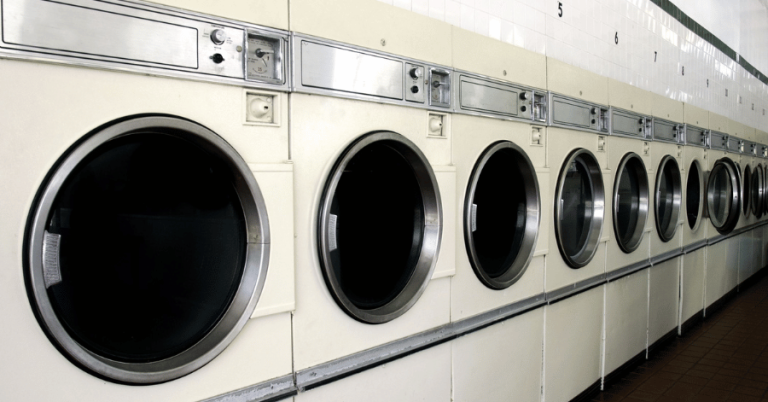
Commercial towel washing uses large machines with strong detergents and high temperatures for deep cleaning. Home washing follows similar principles but on a smaller scale.
In 2026, eco-friendly towel washing is popular. Use biodegradable detergents and skip harsh chemicals. Wash towels in full loads to save water and energy. Regular machine maintenance extends its life and improves cleaning.
Towel Stain Removal Methods
Apply a stain remover directly on towel stains before washing. Let it sit for 10 to 15 minutes. Use gentle scrubbing if needed. Wash towels using warm water and a strong wash cycle.

For tough stains, add a small amount of bleach or oxygen-based brightener. Avoid harsh scrubbing that can damage towel fibers.
Washing New Towels Properly
New towels may have finishing chemicals and loose fibers. Wash them separately on the first wash. Use warm water and a mild detergent. Avoid fabric softeners on new towels to maintain absorbency.
After washing, dry towels fully before use to set the fibers. This improves softness and longevity.
Key Towel Washing Guidelines
| Step | Action | Tip |
|---|---|---|
| 1 | Sort Towels | Separate whites and colors |
| 2 | Choose Detergent | Mild or eco-friendly detergent |
| 3 | Set Wash Cycle | Use towel or heavy-duty cycle |
| 4 | Water Temperature | Warm or hot, check label |
| 5 | Load Size | Medium to large, avoid overload |
| 6 | Drying Method | Low heat dryer or air dry |
Following these steps keeps towels clean, soft, and fresh. Using the right settings and care avoids damage and odor.
For more tips on towel maintenance and fabric care, see details on how to clean top loading washing machine to ensure your machine helps towels stay their best.
Pros & Cons of Hot vs Cold Water Washing for Towels
| Water Temp | Pros | Cons |
|---|---|---|
| Hot | Better odor removal; kills germs | Can shrink towels; fades colors |
| Cold | Prevents shrinkage; saves energy | Less effective on oils; may leave odor |
Choosing water temperature depends on towel fabric and needs. Warm water balances cleaning power and fabric care.
Natural Ways to Soften Towels
Fabric softeners can harm towel fibers. Instead, add half a cup of white vinegar to the rinse cycle. This removes detergent residue and softens fibers.
You can also use dryer balls in the dryer to help fluff towels without chemicals. These methods keep towels absorbent and soft.
Preventing Towel Lint Build-Up
Laundry lint comes from loose fibers in towels. Wash towels separately from clothes to avoid lint transfer. Clean your washing machine lint filter after each wash.
Use a shorter wash cycle to reduce fiber loss. Avoid over-drying towels, which breaks fibers and creates lint.
Conclusion
Washing towels well keeps them fresh, soft, and long-lasting. Use the right washing machine settings for towels, including a proper cycle, water temperature, and load size. Choose the best detergent for towels and avoid fabric softeners to keep absorbency.
Dry towels with care, using low heat or air drying. Remove odors naturally and clean your machine regularly to maintain hygiene. Follow these expert tips on towel fabric care and stain removal to protect your investment.
For more detailed info on cleaning machines and keeping laundry fresh, check out how to clean smell out of washing machine. Proper machine care supports perfect towel washing every time.
Use these tips to enjoy soft, clean towels in 2026 and beyond.
Frequently Asked Questions
How often should towels be washed?
Towels should be washed after 3 to 4 uses to keep them fresh and hygienic. This prevents bacteria and odor buildup.
Is it better to wash towels in hot or cold water?
Washing towels in warm or hot water helps remove oils and germs better, but check the towel label for the best water temperature.
Can fabric softener be used on towels?
Fabric softeners can reduce towel absorbency. Use them sparingly or consider natural softeners like vinegar.
How do I prevent towels from shrinking?
Prevent shrinking by washing towels in warm or cold water and drying on low heat or air drying.
What is the best detergent for washing towels?
Use a mild detergent designed for cotton or microfiber fabrics. Avoid too much detergent to keep towels soft.

Michael Peterson is a home appliance writer focused on practical washing machine care, maintenance, and troubleshooting. He shares simple, reliable tips to help readers keep their washing machines running efficiently, avoid common problems, and extend appliance life.