Understanding the Spin Cycle in Washing Machines
The spin cycle is a key function in modern washing machines. It uses fast drum rotation to pull water out of clothes after washing. This step helps reduce the moisture in fabrics, making drying faster and easier.
Many machines offer various spin speed settings. Choosing the right speed affects how much water is removed and how gentle the cycle is on your clothes. For more on machine parts, see our guide on what is a drum in washing machine.
Industry consensus shows that a well-managed spin cycle improves washing results and energy use. Let’s look closer at how it works and why it matters.
How the Spin Cycle Works
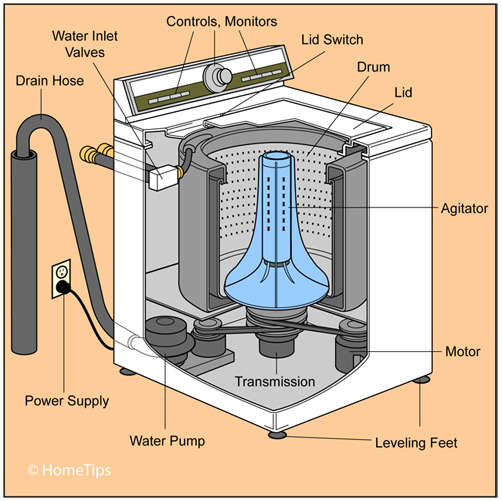
The spin cycle uses the washing machine drum to rotate at high speeds, often measured in rpm (rotations per minute). This fast spinning creates centrifugal force. Centrifugal force pushes water out from the clothes and through holes in the drum walls.
As water leaves the clothes, it collects in the machine’s tub and drains away. This step lowers fabric moisture content significantly. The motor control system manages drum speed and torque to keep the spin cycle smooth and effective.
Modern machines include load balancing mechanisms. These sensors detect uneven loads and adjust rotation to prevent damage or vibration.
For a deeper understanding of this mechanic, analyzing resources on spin cycle purpose and effects provides excellent foundational context.
Spin Speed Settings and Their Effects
Spin speeds range from about 400 rpm to over 1400 rpm. Higher speeds remove more water but may stress fabrics or cause more vibration. Lower speeds are gentler but leave clothes wetter.
Choosing the right spin speed depends on fabric type and washing goals. Delicate fabrics like silk or wool benefit from low speeds. Heavy fabrics like towels or jeans do well with high speeds for better water extraction.
Many machines let users select spin speed manually or use automatic sensors. This helps balance fabric care with drying efficiency.
Benefits of the Spin Cycle
The spin cycle offers several key benefits. First, it speeds up the laundry drying process by removing excess moisture. This saves time and reduces energy use in dryers.
Second, it helps protect fabrics. Proper spin speed avoids damage from excess water weight. Balanced loads also reduce wear on machine parts.
Finally, the spin cycle supports energy efficiency washing machine designs. By cutting drying needs, machines save electricity and lower costs.
Spin Cycle vs Rinse Cycle
The rinse cycle adds clean water to remove detergent and dirt after washing. Clothes stay wet during this phase. The spin cycle follows rinse and uses fast drum rotation to extract water.
Understanding this difference helps users pick the right washing machine cycle options. The final rinse spin combines rinsing with spinning to optimize cleaning and drying.
See this explanation of rinse and spin for more details on their roles.
Fabric Care and Load Balancing
Spin cycles must handle many fabric types safely. High spin speeds can damage delicate fibers or cause wrinkles. Low or medium speeds protect fabric integrity.
Load balancing helps reduce washing machine vibration control issues. Machines detect uneven loads and adjust drum rotation speed or direction to keep balance. This prevents shaking or noise and extends machine life.
Users should avoid overloading or mixing very heavy and light items. Proper load balance improves spin cycle effectiveness and prevents machine faults.
Energy Consumption and Cycle Duration
Spin cycles consume energy mainly through the motor that drives the drum. Higher spin speeds require more motor torque and power. However, they reduce drying time, saving energy overall.
Cycle timers control spin duration, typically from 5 to 15 minutes. Longer spins remove more water but use more energy. Efficient machines optimize spin time based on load sensing.
Analyzing the data reveals that smart spin cycle management balances energy use with laundry quality.
Troubleshooting Spin Cycle Issues
Common spin problems include noisy operation, vibration, or failure to spin. These often stem from unbalanced loads, motor faults, or worn parts.
Checking load distribution and redistributing clothes can fix many issues. Also, cleaning filters and drains improves water extraction and spin performance.
For more on maintaining your washer, see our guide on how to clean drain hose on washing machine.
Conclusion
The spin cycle is a vital washing machine function. It uses fast drum rotation to remove water by centrifugal force. This reduces clothes moisture content and speeds up drying.
Choosing the right spin speed and keeping loads balanced protects fabrics and machine parts. Spin cycles also boost energy efficiency by cutting drying needs. Proper use and maintenance ensure the spin cycle works well for all laundry needs.
Understanding this process helps users get the most from their washing machine. The spin cycle is not just a detail — it is key to clean, dry, and cared-for clothes.
✅ Remember to select spin speeds based on fabric types and load size.
✅ Keep your washing machine balanced and well maintained to avoid vibration and faults.
✅ Use the spin cycle to save time and energy during laundry drying.
🚀 Beginner Tip: Always check your washing machine’s settings and manual to find the best spin options for your clothes.
| Spin Speed (rpm) | Water Removal | Fabric Care | Energy Use |
|---|---|---|---|
| 400-600 | Low | Best for delicates | Low |
| 800-1000 | Medium | Good for mixed loads | Moderate |
| 1200-1400+ | High | Best for heavy fabrics | High |
The table above shows how spin speed affects water extraction, fabric care, and energy use. Adjusting speeds helps balance these factors for your laundry.
Spin speed is just one washing machine setting. Others include wash cycle, rinse cycle, and soil level. Each affects cleaning and drying in different ways.
Here is a simple checklist to optimize your spin cycle use:
- ✅ Sort clothes by fabric type before washing
- ✅ Select spin speed matching fabric and load
- ✅ Do not overload the drum
- ✅ Ensure even load distribution
- ✅ Maintain your machine regularly
Following these steps improves laundry outcomes and protects your washer. For a quick guide on load balancing, visit our article on how to balance washing machine.
| Problem | Cause | Fix |
|---|---|---|
| Machine vibrates/shakes | Unbalanced load | Redistribute clothes evenly |
| Machine won’t spin | Motor or part failure | Check motor and call service |
| Excess water left in clothes | Low spin speed or clogged drain | Increase spin speed, clean drain |
Knowing these issues helps you troubleshoot spin cycle troubles quickly and keep your washer running smoothly.
Modern washing machines use vibration sensors and motor control systems to prevent damage during spin. These smart features make laundry safer and more efficient.
Understanding spin cycle duration is also important. Typical spins last about 10 minutes but vary by machine and setting.
Below is a summary of spin cycle lengths based on speed settings.
| Spin Speed (rpm) | Typical Duration (minutes) |
|---|---|
| 400-600 | 10-15 |
| 800-1000 | 7-12 |
| 1200-1400+ | 5-10 |
Shorter spin duration at high speed helps save energy while still removing water effectively. Machines with sensors can adjust times for best results.
Spin cycle is a blend of mechanics, electronics, and fabric science. It remains a top feature for laundry efficiency in 2026 washing machines.
Frequently Asked Questions
What is the purpose of the spin cycle in a washing machine?
The spin cycle removes excess water from clothes using high-speed drum rotation. This helps reduce drying time and energy use.
How does the spin speed affect clothes?
Higher spin speeds extract more water but can be harsh on delicate fabrics. Lower speeds protect clothes but leave more moisture.
What is the difference between spin cycle and rinse cycle?
The rinse cycle cleans clothes with water and detergent, while the spin cycle uses fast drum rotation to remove water.
Can an unbalanced load affect the spin cycle?
Yes, unbalanced loads cause vibration and may stop the spin cycle. Load balancing mechanisms help keep the drum steady.
How long does a typical spin cycle last?
Spin cycles usually last between 5 to 15 minutes depending on the machine and selected spin speed.

Keith Boyd Is A Seasoned Appliance Care Expert With Over A Decade Of Experience In Home Appliance Maintenance. His Authoritative Insights On Washing Machine Care And Upkeep Are Trusted By Homeowners Nationwide. With A Passion For Educating Others, Keith Shares Valuable Tips That Ensure Your Appliances Run Smoothly For Years To Come.