Understanding Washing Machine Odors
Washing machine smells come from trapped moisture and dirt. Mildew and mold grow in damp spots like seals, gaskets, and drums. Detergent residue also builds up and traps odors inside. Front load washers are more prone to these smells due to tight seals. Top load washers can also develop musty smells if not cleaned well.
Experts say the key is to remove moisture and residue regularly. Good washing machine maintenance tips focus on this to keep your washer fresh. For a deeper understanding of this mechanic, analyzing resources on why washing machines smell provides excellent foundational context.
Cleaning odors is not just about smell removal but also about health. Mold in washers can cause allergies and skin irritation. Removing mildew smell washer techniques is vital for safe laundry.
Cleaning the Washing Machine Drum
The drum is where clothes wash and often holds odors. To clean washing machine drum, run a hot water washing cycle with natural cleaners. Vinegar and baking soda are top choices. Vinegar breaks down mold and kills bacteria. Baking soda neutralizes bad smells and removes grime.
Follow these steps to clean your drum naturally:
- Pour two cups of white vinegar directly into the drum.
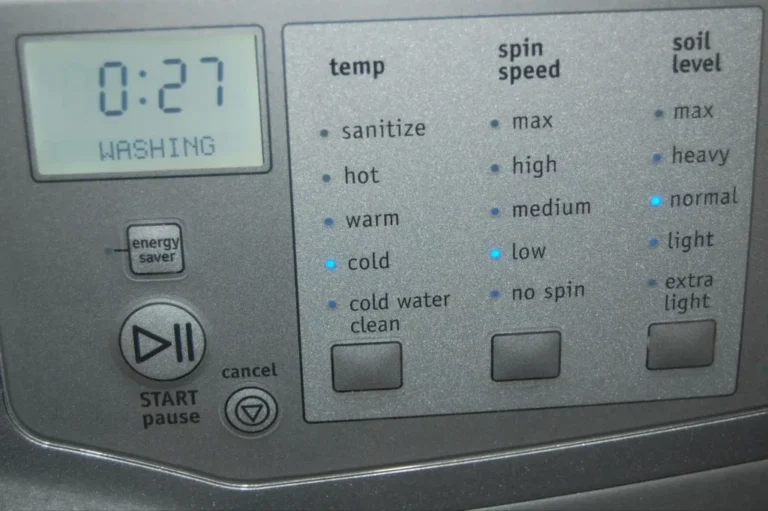
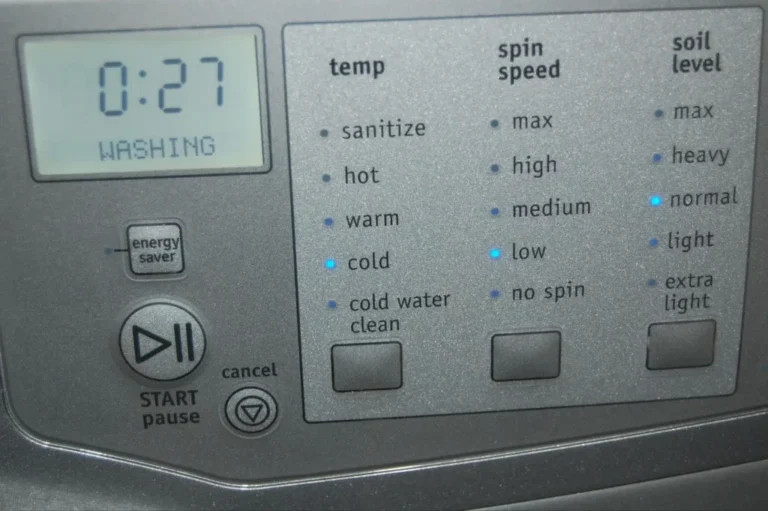
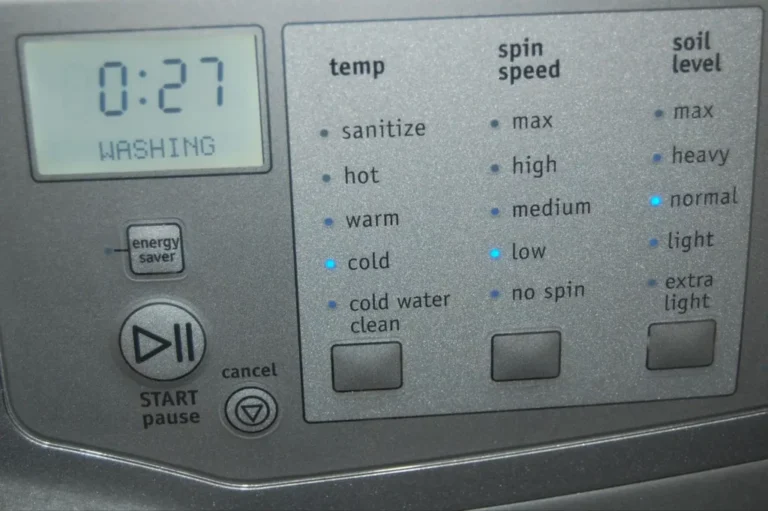
- Run the washing machine on the hottest and longest cycle.
- After the cycle ends, add half a cup of baking soda and run another hot cycle.
- Wipe the inside of the drum with a clean cloth.
- Leave the door open to air dry the drum.
These steps help eliminate odors trapped inside washer drums and prevent mildew build-up. For more on natural cleaning, see how to clean washing machine with vinegar and baking soda.
Cleaning Washing Machine Gasket
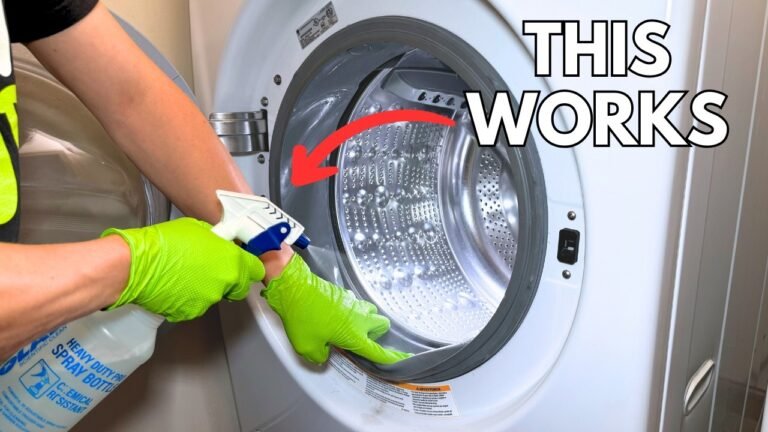
The gasket seals the door on front load washers and often traps water and dirt. Mold grows here quickly and causes musty smell. Regular cleaning of the gasket removes mold and mildew.
To clean the gasket properly, use a mixture of vinegar and water or a mild bleach solution. Wipe all folds and crevices carefully. Dry the gasket well after cleaning to prevent moisture buildup.
Always check your gasket after every wash. Wipe it dry and leave the door slightly open to stop odors from forming.
Cleaning mold from front loading washing machine parts like the gasket is crucial. Learn detailed methods in the guide on how to clean mold from front loading washing machine.
Washing Machine Filter Cleaning
The filter catches lint, hair, and debris but can clog and cause odor. Cleaning the washing machine filter regularly stops smells from the drain area. Most filters are at the front bottom of the machine or inside the agitator in top loaders.

To clean the filter:
- Turn off and unplug your washing machine.
- Open the filter cover (check your manual).
- Remove the filter and clear all lint and debris.
- Rinse the filter under running water.
- Replace the filter securely and close the cover.
Filter cleaning is a simple but effective way to prevent odors and keep water draining well. Proper filter maintenance also extends your washer’s life.
Descaling and Detergent Residue Removal
Hard water causes scale buildup inside washing machines. Scale traps dirt and soap, creating foul smells. Descaling your washer removes these deposits and freshens it up.
Industry consensus indicates the use of vinegar as an effective descaling agent. Use one cup of white vinegar in a hot water cycle to dissolve scale.
Detergent residue also causes odors. Use less detergent and choose high-efficiency types if possible. Run monthly cleaning cycles without clothes using vinegar or commercial cleaners made for washing machines.
| Method | Pros | Cons |
|---|---|---|
| Vinegar Cleaning | Natural, kills mold, easy to use | Strong smell during cleaning, not for frequent use on rubber parts |
| Baking Soda | Neutralizes odors, gentle on machine | Less effective alone on heavy buildup |
| Commercial Cleaners | Powerful, fast-acting | Contains chemicals, costlier |
Choosing the right method depends on your machine and cleaning needs.
Washing Machine Ventilation Tips
One common cause of musty smell washer is poor ventilation. Keep your washing machine door open after use. This lets moisture evaporate and stops mold growth.
Also, avoid leaving wet clothes in the washer for long periods. These practices reduce odors and keep your laundry fresh.
Sometimes, the room where the washer sits can be humid. Use a dehumidifier or improve air flow with fans to lower moisture levels. These tips help prevent washing machine smells from returning.
Natural Washing Machine Deodorizers
Besides vinegar and baking soda, other natural deodorizer options exist. Essential oils like tea tree or lavender have antifungal properties. Add a few drops to your cleaning cycle for a fresh scent.

Activated charcoal bags placed near the machine also absorb odors. These home remedies are safe and eco-friendly approaches to odor control.
Use these natural options as part of your regular washing machine maintenance tips to keep your machine smelling clean year-round.
Prevent Washing Machine Smells
Preventing odors is easier than fixing them. Use less detergent to avoid residue. Run hot water washing cycles monthly. Clean the gasket and filter regularly.
Leaving the door open after each wash and drying wet parts stops mold. Also, remove clothes promptly after cycles. These small habits keep your washer fresh and odor-free.
Check out our detailed guide on how to clean out front loader washing machine for more tips on prevention and cleaning.
Conclusion
Bad smells in washing machines come from mold, mildew, detergent residue, and poor ventilation. Cleaning the drum, gasket, and filter regularly is key. Use natural cleaners like vinegar and baking soda to remove odors safely.
Descaling with vinegar and avoiding detergent buildup also helps. Keep your washing machine door open after use and act on maintenance tips to stop smells before they start. Following these expert methods ensures your washer stays fresh and your laundry clean.
Implementing these steps now saves time and prevents costly repairs later. A clean, fresh-smelling washing machine is possible with simple care and natural remedies.
Frequently Asked Questions
Why does my washing machine smell bad?
Bad smells often come from mold, mildew, or detergent residue trapped inside the drum, gasket, or filter.
How often should I clean my washing machine?
Cleaning your washing machine every 1-2 months helps prevent odors and buildup of mold or mildew.
Can vinegar remove washing machine odors?
Yes, vinegar is a natural deodorizer that helps break down mold, mildew, and detergent residue causing odors.
Is baking soda good for cleaning washing machines?
Baking soda works well with vinegar to neutralize odors and remove grime from your washing machine drum.
How do I prevent smells in front load washers?
Keep the door open after use, clean the gasket and filter regularly, and run hot water cycles with vinegar.

Keith Boyd Is A Seasoned Appliance Care Expert With Over A Decade Of Experience In Home Appliance Maintenance. His Authoritative Insights On Washing Machine Care And Upkeep Are Trusted By Homeowners Nationwide. With A Passion For Educating Others, Keith Shares Valuable Tips That Ensure Your Appliances Run Smoothly For Years To Come.