Understanding The Washing Machine Drum
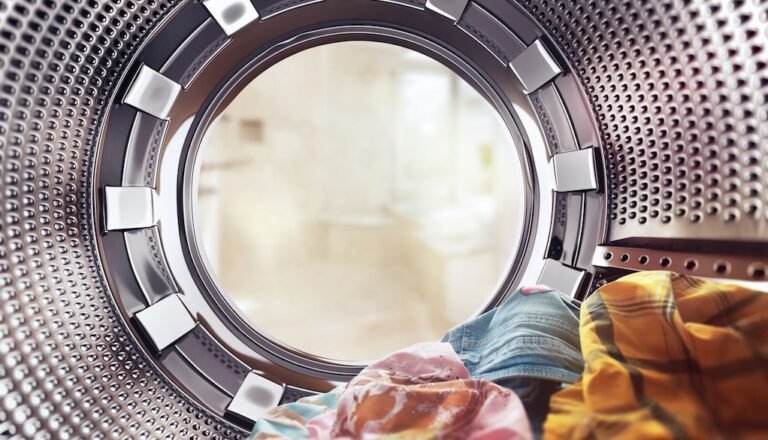
The drum is the heart of a washing machine. It is the part that holds your clothes and spins them during washing and drying. The drum works by rotating back and forth, moving clothes through water and detergent to clean them.
A washing machine usually has two drums: the inner tub and outer tub. The inner tub holds clothes and water. The outer tub holds water and keeps it from leaking. Knowing how the drum works helps in proper use and care. For more on how a washing machine works, see our guide on how it works washing machine.
Today, washing machine drums come in various types and materials, each suited for different washing needs and machine styles.
Washing Machine Drum Function Explained
The main job of the drum is to clean your clothes. During the wash cycle, the drum rotates slowly to soak clothes in water and detergent. Then it spins faster to remove water from clothes using centrifugal force.
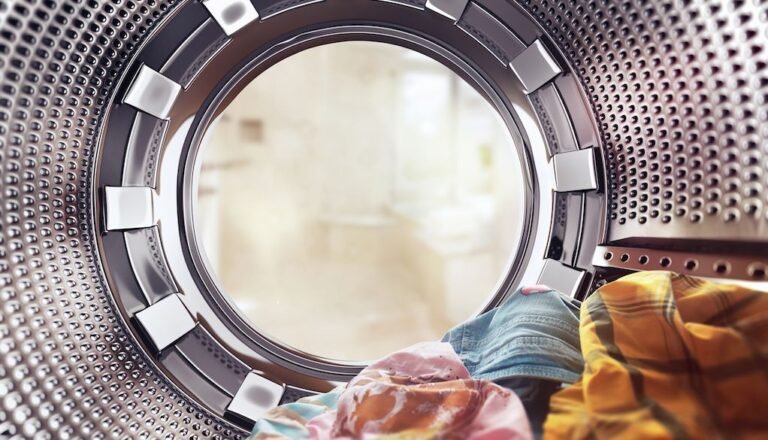
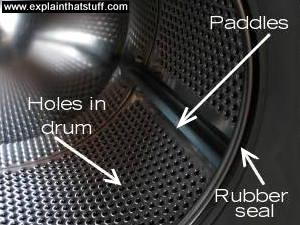
Drum holes play a key role. They let water in and out and help drain water during the spin cycle. The drum paddles inside help move clothes around for a better wash. This design helps in removing dirt without damaging fabrics.
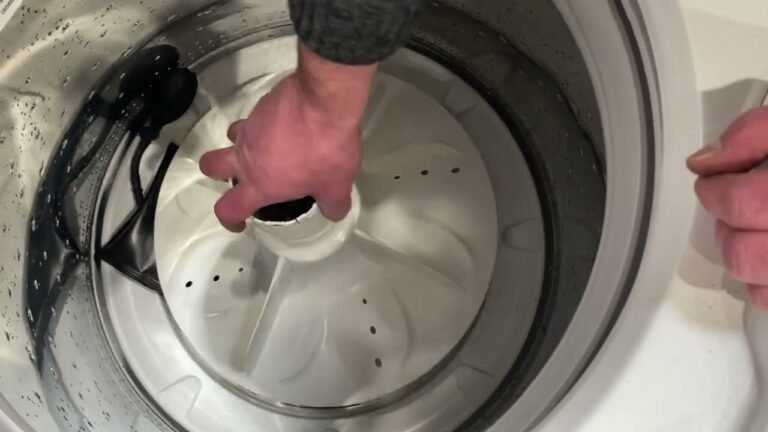
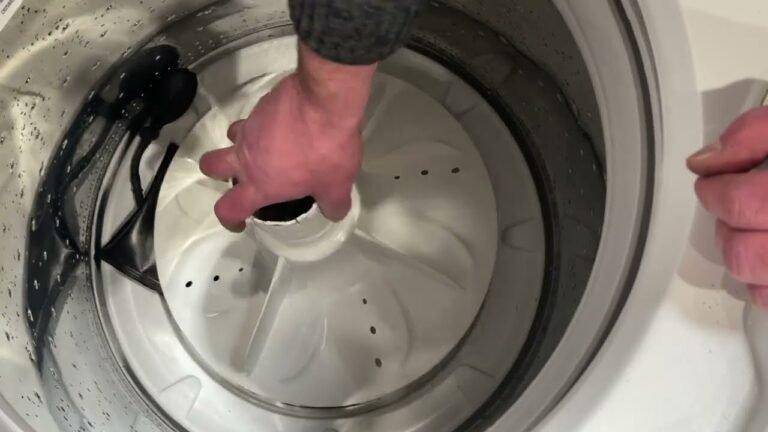
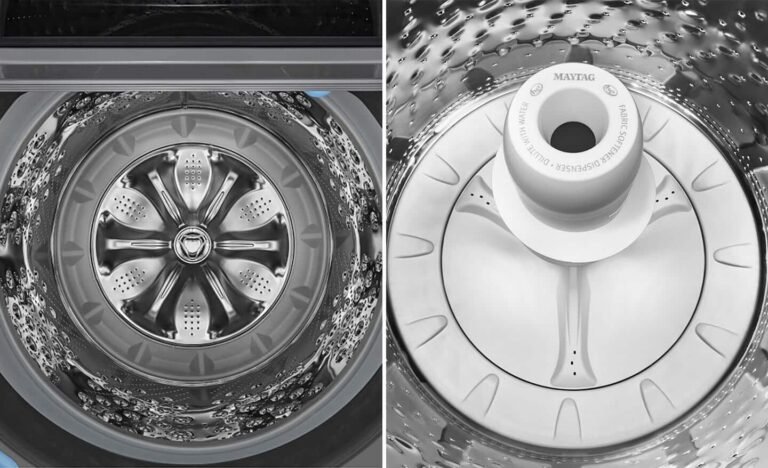
Front-load and top-load machines use different drum motions. Front-load drums rotate horizontally, while top-load drums rotate vertically and use an agitator or impeller to move clothes. Both types rely on the drum’s rotation and water flow to clean efficiently.
Common Washing Machine Drum Materials
Most modern drums are made from stainless steel, plastic, or porcelain-coated steel. Stainless steel drums are the strongest and most durable. They resist rust and scratches, making them ideal for heavy use.
Plastic drums are lighter and quieter but less durable. They can wear out faster and are more prone to damage. Porcelain-coated drums look good but can chip and rust over time.
Stainless steel drums are common in front-load machines due to their durability. Top-load machines often use plastic drums to reduce weight and cost.
Front Load vs Top Load Washing Machine Drums
Front load washing machine drums spin clothes in a horizontal drum. This design uses less water and energy. It is gentler on clothes and has a larger washing capacity. Front-load drums have better water drainage and fewer issues with mold if maintained well.
Top load washing machine drums spin clothes vertically and often use an agitator in the center. This agitator helps move clothes around but can be rough on delicate items. Top-load drums usually have faster wash cycles but can use more water.
The choice depends on your washing needs, space, and budget. Understanding these differences helps pick the right machine for you.
Analyzing the data reveals front-load washers generally offer better cleaning with less water. For more on washing machine choices, read our tips on how to wash a rug in the washing machine.
Washing Machine Drum Capacity and Design Elements
The size of the drum determines how much laundry you can wash in one cycle. Drum capacity ranges from small (around 5 kg) to large (above 12 kg). Bigger drums allow washing larger loads, saving time and energy.
Drum design includes drum holes, paddles, and shape. Drum holes let water drain and help with drying. Paddles inside help move clothes during the wash. The smooth design of drum walls protects clothes from damage.
New designs focus on reducing noise and vibration. Some drums have special dampening systems to lower shaking during spin cycles. These improvements add to drum durability and user comfort.
Washing Machine Drum Maintenance Tips
Keeping the drum clean is key to good washing results and long machine life. Dirt, detergent buildup, and mold can collect inside the drum and cause odors or damage.
Regular cleaning can be done by running an empty hot wash cycle with a cleaning agent or vinegar. Avoid overloading the drum to reduce wear and tear. Also, check the drum for small objects stuck in holes, which can cause noise or damage.
Proper maintenance includes checking drum seals and bearings. Damaged seals can cause leaks. Worn bearings can cause loud noises and may need professional replacement.
For deeper cleaning advice, explore our guide on how to clean washing machine with vinegar and baking soda.
Common Washing Machine Drum Problems
Drum problems can affect washing quality and machine life. Common issues include drum noise, vibration, and leaks. Noise often comes from worn bearings or objects stuck in drum holes.
Vibration can happen if the machine is not level or the load is unbalanced. Leaks may occur due to damaged seals or cracks in the outer tub. These problems need attention to avoid costly repairs.
Replacing a washing machine drum is complex due to its connection with the motor and bearings. Professional help is recommended for safe and proper installation.
Washing Machine Drum Installation and Motor Connection
The drum is connected to the motor via a shaft and bearing system. The motor turns the drum during washing and spinning. Proper installation ensures smooth rotation and reduces wear on parts.
Bearings support the drum and allow it to spin freely. If bearings fail, the drum may wobble or make noise. Seals keep water inside the tub and protect bearings from moisture.
Installing or replacing the drum requires removing the outer tub and disconnecting motor parts. This process must be done carefully to avoid damage and maintain machine balance.
For a deeper understanding of this mechanic, analyzing resources on washing machine drum function provides excellent foundational context.
Cleaning and Caring for Your Washing Machine Drum
Regular cleaning keeps the drum fresh and prevents mold or bad smells. Use washing machine drum cleaning tips like running a cleaning cycle and wiping seals after use.
Check the drum holes for any buildup and remove lint or debris. Keep the door open after washing to let the drum dry out. This simple step helps avoid moisture problems.
Periodic inspections of the drum and surrounding parts can catch issues early. Clean the outer tub and check the seal for cracks or damage.
Material Comparison of Washing Machine Drums
| Material | Durability | Noise Level | Cost | Rust Resistance |
|---|---|---|---|---|
| Stainless Steel | High | Low | High | Excellent |
| Plastic | Medium | Very Low | Low | Good |
| Porcelain-Coated Steel | Medium | Medium | Medium | Fair |
Choosing the right drum material affects lifespan and washing quality. Stainless steel drums are best for long-term use. Plastic drums are quieter but may wear faster.
Understanding these facts helps you pick a washing machine that fits your needs and budget.
Washing Machine Drum Maintenance Checklist
- ✅ Run a drum cleaning cycle monthly
- ✅ Inspect drum holes for blockages
- ✅ Keep the door open after use to dry the drum
- ✅ Check seals and bearings yearly
- ✅ Balance loads to avoid vibration
Following this checklist can extend your machine’s life and keep clothes clean.
Regular maintenance also reduces the chance of drum replacement, saving money and hassle.
Inner Drum vs Outer Drum: Key Differences
The inner drum holds clothes and water during washing. It has holes to allow water flow and drainage. The outer drum surrounds the inner drum and holds the water during wash cycles.
The outer drum protects the machine from leaks and supports the inner drum. It is usually made of plastic or metal. Together, they form the tub system of a washing machine.
Proper function of both drums is essential for a leak-free and effective wash.
Causes of Washing Machine Drum Noise
Noise from the drum can signal issues. Common causes are worn bearings, loose motor mounts, or debris caught in drum holes. Sometimes, an unbalanced load causes loud spinning sounds.
Ignoring noise may lead to bigger damage. Fixing problems early improves machine life and stops annoying sounds.
If you want to reduce noise, check the drum and related parts. Professional help is advised for bearing or motor repairs.
Conclusion: The Drum’s Vital Role in Washing Machines
The washing machine drum is a key part that cleans your clothes effectively. Its design, material, and maintenance affect how well your washer performs. Understanding drum function and care can help avoid common problems and extend your machine’s life.
Choosing the right drum type and keeping it clean ensures better washing and less noise. Always follow maintenance tips and address issues quickly for a smooth washing experience.
For more tips on keeping your washing machine in top shape, check out our advice on how to clean washing machine mold smell.
Frequently Asked Questions
What materials are washing machine drums made of?
Washing machine drums are mainly made from stainless steel, plastic, or porcelain-coated steel, each offering different durability and noise qualities.
How does the washing machine drum work during the wash cycle?
The drum rotates to agitate clothes with water and detergent, using centrifugal force to clean and then spin-dry clothes by removing water.
What causes noise in the washing machine drum?
Drum noise can be caused by worn bearings, loose parts, or objects stuck in the drum holes.
How often should I clean the washing machine drum?
It is recommended to clean the drum every 1 to 3 months to prevent mold, odors, and buildup, especially in front-load machines.
Can I replace the washing machine drum myself?
Drum replacement can be complex due to motor and bearing connections. It’s best handled by professionals to ensure proper installation and safety.

Michael Peterson is a home appliance writer focused on practical washing machine care, maintenance, and troubleshooting. He shares simple, reliable tips to help readers keep their washing machines running efficiently, avoid common problems, and extend appliance life.