Why Clean Stuffed Animals Without a Washing Machine?
In our experience, many plush toys are too delicate for machine washing. Some have glued parts or are vintage collectibles that could lose their softness or shape. Hand washing stuffed animals or using other gentle methods helps preserve their plush fabric and keeps them safe from damage.
Also, some toys don’t fit well in machines, or you may want to avoid harsh detergents and high water temperatures. Cleaning plush toys gently ensures they stay fresh and soft for years. We have found these methods save the look and feel of beloved stuffed animals better than machines often do.
We always suggest trying these gentle steps first before machine washing. For more detailed care tips, you can read How to Properly Care for and Clean Stuffed Toys and Plush Fabrics.
Spot Cleaning Stuffed Animals
Spot cleaning is the easiest way to remove small stains without soaking the entire toy. Use a mild detergent mixed with cold water. Dip a soft-bristled brush or a microfiber cloth in the mix and gently rub the stained area.
After scrubbing, use a clean damp cloth to wipe away soap. Press the area with a dry towel to soak up extra moisture. Let the stuffed animal air dry in a well-ventilated spot. Avoid direct sun or heat to keep the fabric soft and colors bright.
Spot cleaner sprays made for plush toys work well too. Just test a small area first to check for colorfastness. This method is quick and keeps the rest of the toy dry and safe.
Hand Washing Stuffed Animals
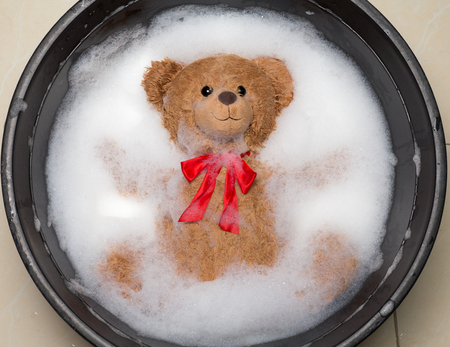
When toys need a deeper clean, hand washing stuffed animals is gentle and effective. Fill a basin with cold water and add a few drops of fragrance-free soap or mild detergent. Avoid strong chemicals to protect delicate plush fabric.
Submerge the toy and gently squeeze it to let water and soap soak in. Use a soft brush for dirty spots. Rinse thoroughly with cold water to remove all soap. Press the toy between towels to remove excess water but don’t wring it out.
Dry naturally by laying the toy flat on a dry towel. Flip it every few hours so both sides dry evenly. This method keeps the toy safe from machine damage and shrinking.
Odor Removal From Plush Toys
Stuffed animals can hold odors from pets, food, or the air. We use baking soda to freshen them up without washing. Sprinkle baking soda evenly on the toy and let it sit for 30 minutes to absorb smells.

Then vacuum the toy carefully using a brush attachment. This removes baking soda and trapped dirt or pet hair. If the toy is very delicate, wrap it in a laundry bag before vacuuming to protect it.
For stubborn odors, mix equal parts white vinegar and water in a spray bottle. Lightly mist the toy and let it air dry. Vinegar removes smells without leaving harsh scents behind.
Steam Cleaning and Vacuuming Stuffed Animals
Steam cleaning is a great way to sanitize stuffed animals without soaking them. We use a handheld steamer to lightly pass over the toy’s surface. The steam kills germs and refreshes the fabric without damage.
Vacuuming plush toys with a gentle brush attachment removes dust, pet dander, and loose dirt. We find this keeps toys clean between washes and helps preserve their softness. Be sure to avoid strong suction that might pull on seams or stuffing.
These methods are perfect for delicate plush toys or vintage stuffed animals that can’t be washed in water.
- ✅ Steam kills 99% of germs without wetting fabric.
- ✅ Vacuuming removes allergens and pet hair.
- ✅ Always check toy labels for cleaning instructions.
Safe Detergents and Homemade Stuffed Animal Cleaners
We recommend using fragrance-free soaps or mild detergents when cleaning stuffed animals. Harsh chemicals can break down plush fabric and irritate sensitive skin. Look for products labeled safe for delicate fabrics.
For a homemade cleaner, mix equal parts water and white vinegar with a teaspoon of mild soap. Use this mix with a microfiber cloth to spot clean stains gently. It’s safe, cheap, and effective for most plush toys.
This DIY cleaner also disinfects and removes odors without harsh smells. Always rinse spots with a damp cloth afterward to avoid vinegar residue.
Drying and Preserving Stuffed Animal Softness
After cleaning, drying stuffed animals properly is key to keeping them soft. We press the toy gently with a dry towel to remove water. Then, we lay it flat to air dry in a cool, shaded place.
Avoid direct sunlight or heat sources like radiators. These can fade colors and make plush fabric stiff. Fluffing the toy by hand once dry helps restore softness and shape.
For extra care, use a fabric softener alternative like a few drops of baby oil on a cloth to rub lightly over the fur. This keeps the plush feeling smooth and fresh.
Removing Pet Hair and Disinfecting Toys for Children
Stuffed animals often collect pet hair and dander. Using a lint roller or a vacuum cleaner with a brush attachment works wonders. We find this quick step removes most hair without wetting the toy.
To disinfect toys safely for children, use a child-safe disinfectant spray lightly. Let the toy dry fully before returning it to kids. Avoid sprays with strong scents or chemicals that may harm sensitive skin.
Regular cleaning and disinfecting keep toys safe and fresh, especially for young children prone to allergies or illness.
- Mix mild detergent with cold water.
- Use a soft cloth to dab the stain gently.
- Wipe with a clean damp cloth to remove soap.
- Spray lightly with child-safe disinfectant.
- Air dry fully before use.
We have tested these methods multiple times on different plush toys with great results. Keeping stuffed animals clean without a washing machine is easy with the right tools and care.
Cleaning Vintage and Delicate Plush Toys
Vintage stuffed animals need extra care to preserve their value and softness. We avoid water when possible and stick to vacuuming, spot cleaning, and steam cleaning only.
For stains, a very mild soap and cold water with a soft brush works best. We always test first on a hidden spot to avoid damage. Air drying naturally and avoiding direct light keeps these toys looking good for years.
Patience is key when cleaning vintage plush. Gentle steps protect the fabric and stuffing from wear.
Summary
Cleaning stuffed animals without a washing machine is safer for delicate and vintage toys. Spot cleaning, hand washing, baking soda deodorizing, steam cleaning, and vacuuming help keep plush toys fresh and soft.
Use mild detergents, cold water, and dry naturally to protect fabric and stuffing. Removing pet hair and disinfecting toys with child-safe products keeps kids healthy.
With these simple steps, you can protect your favorite stuffed animals and keep them clean for years to come.
| Method | Best For | Pros | Cons |
|---|---|---|---|
| Spot Cleaning | Small stains | Quick, gentle, no soaking | Not for heavy dirt |
| Hand Washing | Moderate dirt | Safe, controls water amount | Time-consuming |
| Steam Cleaning | Sanitizing | Kills germs, no wetting | Not for deep stains |
Try spot cleaning first. If dirt is more stubborn, hand wash carefully. Use steam for freshening and sanitizing. This approach keeps plush toys in top shape.
| Ingredient | Function | Why Use It? |
|---|---|---|
| Mild detergent | Cleaning | Protects plush fabric |
| Baking soda | Odor removal | Natural, gentle deodorizer |
| White vinegar | Disinfecting, odor removal | No harsh chemicals, safe |
| Fragrance-free soap | Cleansing | Reduces skin irritation |
Using these ingredients helps avoid damage to stuffed animals and keeps children safe from irritants.
| Ingredient | Amount | Purpose |
|---|---|---|
| Water | 1 cup | Dilutes solution |
| White vinegar | 1/2 cup | Disinfects, removes odor |
| Mild soap | 1 tsp | Gentle cleaning |
Mix all ingredients in a spray bottle and shake well before use. Use for spot cleaning with a microfiber cloth.
For more tips on cleaning plush toys gently and without machines, see Cleaning plushies without washing?.
Frequently Asked Questions
Can I clean stuffed animals without a washing machine?
Yes, you can clean stuffed animals without a washing machine by using hand washing, spot cleaning, vacuuming, and steam cleaning methods.
What is the best way to remove stains from stuffed toys gently?
The best way to remove stains gently is by using a mild detergent mixed with cold water and a soft-bristled brush or microfiber cloth to spot clean the area.
How do I remove odors from plush toys without washing?
You can remove odors by sprinkling baking soda on the toy, letting it sit for 30 minutes, then vacuuming it off carefully.
Is it safe to use disinfectant sprays on children’s stuffed animals?
Yes, but only use child-safe disinfectant sprays in small amounts and let the toy dry fully before giving it back to children.
How can I dry stuffed animals naturally after cleaning?
Dry stuffed animals by pressing gently with a dry towel to remove water and then air drying them away from direct sunlight or heat.

Michael Peterson is a home appliance writer focused on practical washing machine care, maintenance, and troubleshooting. He shares simple, reliable tips to help readers keep their washing machines running efficiently, avoid common problems, and extend appliance life.