Understanding Mold in Front Load Washers
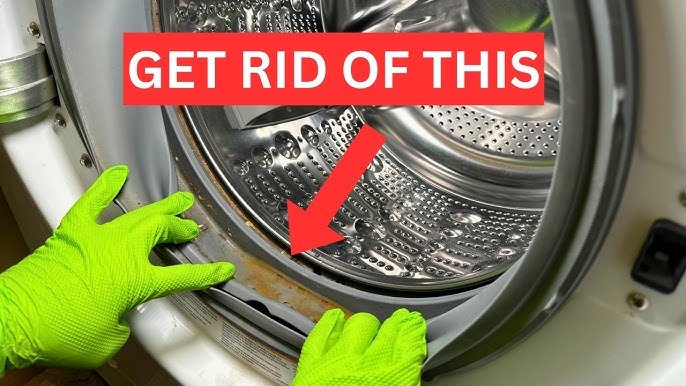
Mold often grows in front load washing machines because they trap moisture. The rubber gasket and detergent drawer stay damp after use. This builds a perfect place for mold and mildew to thrive. The moldy washing machine smell comes from this buildup.
Industry experts agree that moisture, detergent residue, and poor ventilation are key causes. Knowing these helps in cleaning and prevention. For a deeper understanding of this mechanic, analyzing resources on front loader washing machine mold and odor provides excellent foundational context.
Regular front load washer maintenance is vital. It keeps your machine fresh and mold-free.
Steps to Remove Mold From Your Washer
Start by cleaning the parts where mold hides. This includes the rubber gasket, detergent drawer, and drum. Use a good washing machine mold cleaner or natural cleaners like vinegar and baking soda.
Here is a basic plan to deep clean your front load washer:
First, wipe down the rubber seal. Mold often hides in the folds. Use a cloth soaked in vinegar or a mold cleaner. Next, remove and clean the detergent drawer. Soak it in hot water to remove residue buildup and mold.
Run a cleaning cycle on your washer. Add bleach or a homemade mixture of vinegar and baking soda. This cycle cleans the drum and pipes. It removes mold and odors. Avoid mixing bleach with vinegar in the same wash cycle.
Finally, dry all parts well. Leave the door and drawer open to air out the machine. This helps stop mold from coming back.
Following these steps ensures a thorough mold removal process and fresh-smelling laundry.
Natural Mold Removal Methods
Natural cleaning methods are safe and effective. White vinegar is a strong acid that kills mold spores. Baking soda helps scrub and deodorize. Lemon juice also works well as a natural cleaner.
To make a homemade washing machine cleaner, mix 2 cups of white vinegar with 1/4 cup of baking soda. Pour this into the drum and run a hot cleaning cycle. This breaks down mold and residue.
Cleaning the washing machine gasket mold with this mixture is easy. Use a spray bottle to apply it, then scrub with a soft brush. Rinse and dry well.
Natural mold removal methods support eco-friendly cleaning and avoid harsh chemicals. They are perfect for regular front loader washing machine care.
Preventing Mold in Your Washing Machine
Preventing mold is easier than removing it. Keep your machine dry and clean after every use. Leave the door open to let air in. Clean the detergent drawer regularly to avoid buildup.
Use washing machine anti-mold tips like wiping down the rubber seal. Some people use anti-mold sprays or silicone seal treatments to protect the gasket. Also, avoid using too much detergent, which causes residue buildup and mold growth.
Running the washer cleaning cycle monthly with vinegar or bleach helps keep the drum fresh. Check for hard water stains and clean them promptly. Proper front load washer maintenance extends your machine’s life and keeps clothes fresh.
Best Mold Cleaner For Washing Machine
Choosing the right cleaner is key for mold removal. Below is a quick guide to popular mold cleaners used in 2026.
| Cleaner Type | Effectiveness | Safety | Notes |
|---|---|---|---|
| Bleach | High | Use with caution | Powerful mold remover, avoid mixing |
| White Vinegar | Moderate | Safe and natural | Good for regular use |
| Baking Soda | Moderate | Safe and mild | Used with vinegar for best effect |
| Commercial Mold Cleaner | High | Varies | Follow product instructions |
Select based on your cleaning needs and safety preferences. Natural cleaners are best for regular maintenance.
For detailed methods on cleaning mold from front loader seals, see our guide on cleaning front loader washing machine rubber seal.

Deep Cleaning Your Front Load Washer
Deep cleaning involves more than wiping surfaces. It removes mold deep inside the drum and pipes. Use a washing machine drum cleaning product or a strong vinegar and baking soda mix.
First, clean the gasket and detergent drawer well. Then, run a cleaning cycle with the chosen cleaner. Repeat if mold or smell remains. Dry the machine fully after cleaning.
Check the washing machine drum lubricant and seals for damage. Keeping these parts in good shape helps prevent mold. If you notice wear, replace parts promptly.
Deep cleaning every 3 to 6 months keeps your machine in top shape. It also improves washing performance.
Maintenance Checklist for Front Load Washers
Use this checklist to keep mold away and your washer working well.
| Task | Frequency | Notes |
|---|---|---|
| Wipe rubber gasket | Weekly | Use vinegar or mold cleaner |
| Clean detergent drawer | Monthly | Remove and soak in hot water |
| Run cleaning cycle | Monthly | Use bleach or vinegar |
| Leave door open | After every use | Allows drying and ventilation |
| Inspect seals and drum | Every 6 months | Replace if damaged |
Following this plan will reduce mold growth and keep your washer fresh. For more cleaning tips, check how to clean drain hose on washing machine for overall care.
Common Mistakes to Avoid
Some cleaning practices can make mold worse. Avoid leaving the washer door closed after use. This traps moisture. Also, do not overuse detergent. It leads to residue buildup that feeds mold.
Never mix bleach with vinegar during cleaning. This creates harmful gases. Use one cleaner at a time and run full rinse cycles. Avoid harsh brushes that might damage the rubber gasket.
By avoiding these mistakes, you protect your machine and family from mold risks.
Natural vs Commercial Mold Cleaners
Choosing between natural and commercial cleaners depends on your needs. Here is a comparison:
| Aspect | Natural Cleaners | Commercial Cleaners |
|---|---|---|
| Safety | Safe for skin and environment | May contain strong chemicals |
| Effectiveness | Good for light mold | Better for heavy mold |
| Cost | Low cost, common ingredients | Higher cost, specialized |
| Ease of Use | Simple recipes | Ready to use |
Many users mix both methods. They use natural cleaners for regular upkeep and commercial ones for tough mold.
For ongoing front loader washing machine care, explore our guide on how to clean mold front loader washing machine.
Conclusion: Final Thoughts
Cleaning mold from your front load washing machine is key to fresh laundry and machine health. Use a mix of good cleaning habits and proper products. Natural methods like vinegar and baking soda work well for regular maintenance. Bleach and commercial cleaners are useful for tough mold.
Prevent mold by drying your washer, cleaning parts often, and running cleaning cycles monthly. Avoid common mistakes that worsen mold growth. Regular front load washer maintenance keeps your machine safe and odor-free.
Following this guide will help you stop the moldy washing machine smell and keep your washer in peak condition. For detailed care tips, see our advice on how to clean drain hose on washing machine. Clean machines mean clean clothes and a healthier home.
Frequently Asked Questions
Why does mold grow in front load washing machines?
Mold grows in front load washers due to moisture trapped in the rubber gasket, detergent drawer, and drum. Poor ventilation and leftover detergent also help mold thrive.
What natural methods help clean mold from washing machines?
Natural methods include using white vinegar, baking soda, and lemon juice. These ingredients help kill mold, remove odors, and clean residue without harsh chemicals.
How often should I clean my front load washer to prevent mold?
Industry consensus suggests cleaning your washer every month. Running a cleaning cycle with bleach or vinegar helps prevent mold and keeps your machine fresh.
Can I use bleach to remove mold from my washing machine?
Yes, washing machine bleach cleaning is effective for mold removal. However, use bleach carefully, follow manufacturer instructions, and avoid mixing it with other cleaners.
What maintenance tips help prevent mold in front load washers?
Keep the door and detergent drawer open after use to let moisture dry. Regularly clean the rubber gasket, run cleaning cycles, and use anti-mold sprays or silicone seal treatments.

Michael Peterson is a home appliance writer focused on practical washing machine care, maintenance, and troubleshooting. He shares simple, reliable tips to help readers keep their washing machines running efficiently, avoid common problems, and extend appliance life.