Introduction to Cleaning Stuffed Animals
Stuffed animals are loved companions for many. They collect dust, dirt, and germs over time, making cleaning important. Using a washing machine can save time but needs care. This guide explains how to clean stuffed animals safely using your washer.
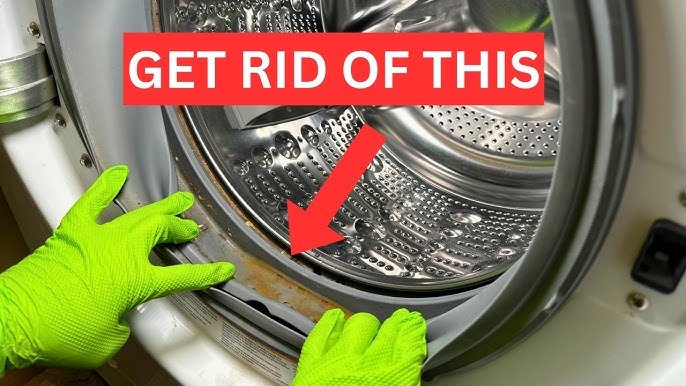
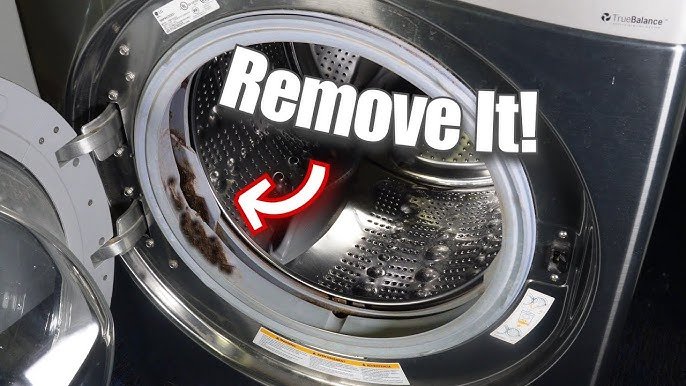
For more about keeping your washing machine clean and working well, see our guide on how to clean rubber gasket on washing machine. A clean washer helps keep toys fresh.
Preparing Stuffed Animals for Washing
First, check the fabric care label on the stuffed animal. This tells you if machine washing is safe and shows the best water temperature. Remove any batteries or electronic parts before washing.
Use a mesh laundry bag or pillowcase to protect the toy during the wash. This stops the fabric from tearing and keeps the filling in place. Close all zippers or buttons securely.
Choosing the Right Washing Machine Settings
Use the gentle cycle on your washing machine to protect delicate fabrics. Set the water temperature to cold or warm; avoid hot water as it may damage fabric or filling.
Keep the spin speed low to prevent the toy from losing shape. Using a hypoallergenic detergent helps avoid skin irritation and cleans well without harsh chemicals.
| Setting | Recommended Option | Reason |
|---|---|---|
| Cycle | Gentle or Delicate | Protects fabric and filling |
| Water Temperature | Cold or Warm | Prevents damage and shrinking |
| Spin Speed | Low | Maintains toy shape |
Remember to avoid using fabric softener as it can harm plush fabric. Instead, try adding a little white vinegar in the rinse cycle for softness.
Removing Stains from Stuffed Animals
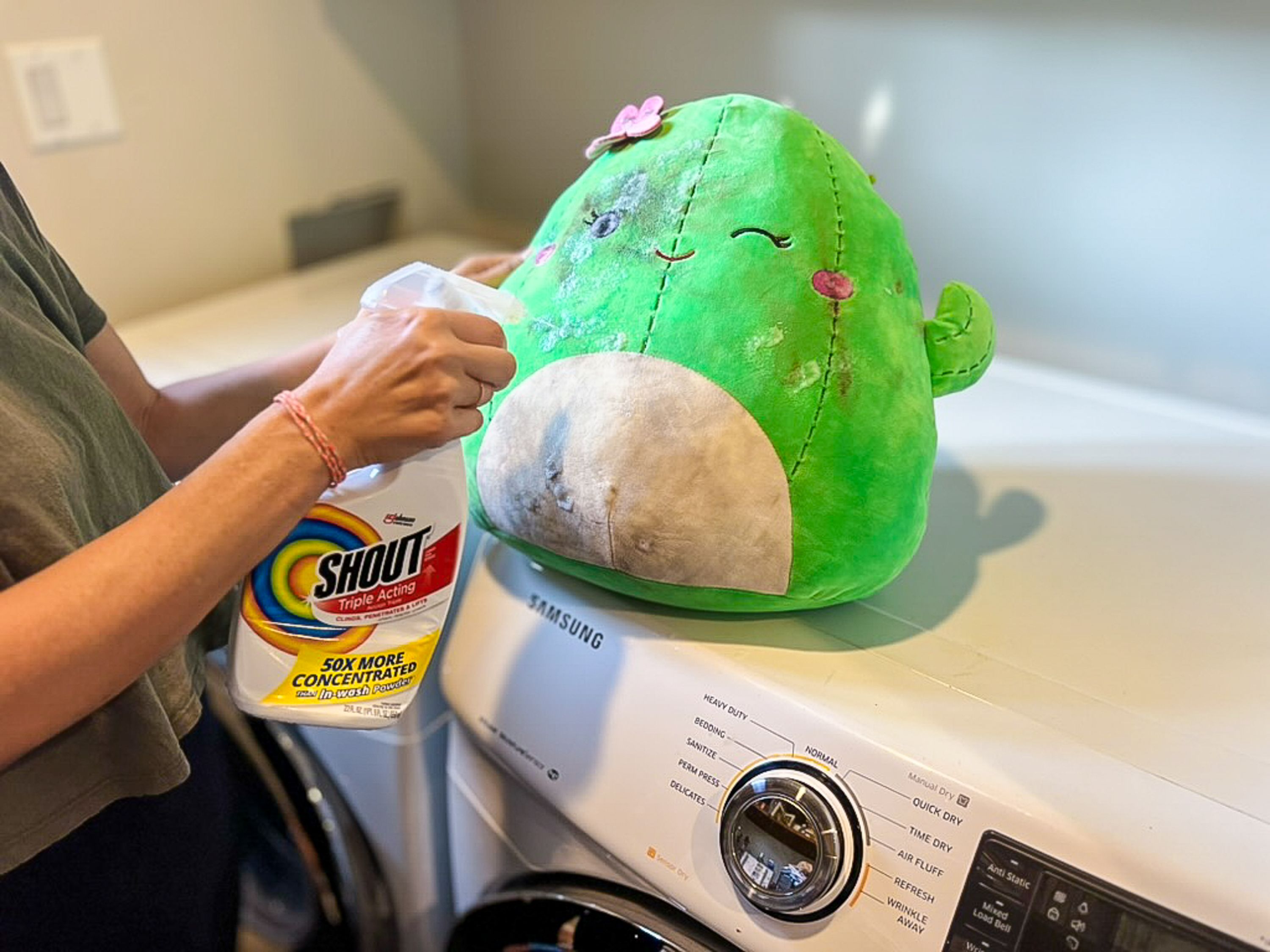
Before washing, treat tough stains with a mild stain remover. Use products safe for delicate fabrics. Dab gently with a clean cloth instead of rubbing hard.
If you want to sanitize toys without washing, some toy sanitizing methods include using steam or disinfectant sprays made for fabrics. These help kill germs without water.

Proper Drying Techniques for Plush Toys
After washing, gently squeeze out excess water but do not wring. Air drying on a drying rack is safest. Avoid direct sunlight to prevent fading.
You may use a tumble dryer on a low heat setting if the care label allows. Adding dryer balls or clean tennis balls helps keep the toy fluffy.
| Drying Method | Best Use | Notes |
|---|---|---|
| Air Drying | Most delicate toys | Prevents damage, no heat |
| Tumble Dry Low | Sturdy stuffed animals | Use care label guidance |
| Sunlight | Quick drying | Avoid direct sun to prevent color loss |
Keep plush toys in a well-ventilated area during drying to avoid mold growth. Fluff the toy regularly to help maintain its shape.
Hand Wash vs Machine Wash for Stuffed Toys
Hand washing is gentler for very old or delicate stuffed animals. Use lukewarm water and mild detergent. Gently press the toy instead of scrubbing.
Machine washing is faster and fine for most modern toys if you follow careful steps. Use a laundry bag for stuffed animals and the right settings to protect them.
- ✅ Machine Wash: Fast, effective, risk of damage
- ✅ Hand Wash: Gentle, time-consuming, may not clean deeply
Stuffed Animal Fabric Types and Toy Filling
Stuffed animals come in many fabrics like plush, cotton, fleece, or synthetic blends. Each needs care to avoid damage. Fabrics with delicate fibers need cooler water and gentle cycles.
The filling inside toys varies too. Polyester fiberfill dries quickly and holds shape well. Cotton or bean bag fillings may be more sensitive to water and heat. Always check labels before washing.
| Fabric Type | Washing Advice | Drying Advice |
|---|---|---|
| Plush | Gentle cycle, cold water | Air dry or low heat tumble |
| Cotton | Warm water, gentle detergent | Air dry preferred |
| Fleece | Cold water, gentle cycle | Air dry or low heat |
Knowing your stuffed animal’s fabric and filling helps you choose the safest cleaning method. This reduces risk of damage during washing or drying.
Dealing with Odors and Allergens
Stuffed animals can hold odors and allergens after use. Use a mild odor neutralizer or add white vinegar to the rinse cycle to remove smells. Hypoallergenic detergents also help reduce allergens.
Regular cleaning helps keep toys safe for children with allergies. Avoid harsh chemicals that might irritate sensitive skin or cause reactions.
- Check fabric care label
- Use gentle cycle and low spin speed
- Always protect toys in a mesh laundry bag
- Avoid fabric softeners
- Dry toys thoroughly to prevent mold
For a deeper understanding of stuffed animal cleaning, analyzing resources on stuffed animal care tips provides excellent foundational context.
Conclusion: Best Practices for Washing Stuffed Animals
Cleaning stuffed animals in a washing machine is safe when done carefully. Start by checking labels and removing any loose dirt or stains. Use a laundry bag, gentle cycle, and hypoallergenic detergent.
Dry toys slowly with care to keep their shape and softness. Hand washing is best for delicate or vintage toys. Regular cleaning keeps stuffed animals fresh, safe, and ready for hugs.
By following these expert tips, you can maintain your plush companions well and extend their life. Remember, clean washing machines also help; learn how to clean Whirlpool Cabrio washing machine for optimal results.
Frequently Asked Questions
Can all stuffed animals be washed in a machine?
Not all stuffed animals are safe for machine washing. Check the fabric care label first to see if the toy can handle water and machine cycles.
What is the best water temperature for washing plush toys?
Use cold or warm water on a gentle cycle to prevent damage to the fabric and filling of stuffed animals.
Should I use fabric softener when washing stuffed animals?
Fabric softener is usually not recommended as it can leave residues that affect the toy’s texture and may irritate sensitive skin.
Is hand washing better than machine washing stuffed toys?
Hand washing is gentler and safer for delicate or older stuffed animals. Machine washing is fine for sturdier toys when done carefully.
How can I remove tough stains from stuffed animals before washing?
Use a mild stain remover suitable for delicate fabrics, and test on a small area before applying to the whole stain.

Michael Peterson is a home appliance writer focused on practical washing machine care, maintenance, and troubleshooting. He shares simple, reliable tips to help readers keep their washing machines running efficiently, avoid common problems, and extend appliance life.