Why Wash Bed Sheets Regularly?
Washing bedding regularly is key for a clean and healthy sleep space. Sheets collect sweat, dirt, and skin cells. This can lead to dust mites and allergens building up. Washing removes these and keeps your bed fresh. Clean sheets also help prevent skin issues and allergies.
Most experts say to wash sheets every one to two weeks. For people with allergies or skin problems, weekly washing is best. This schedule helps keep sheets free from germs and irritants. For a deeper understanding of this mechanic, analyzing resources on sheet cleaning frequency provides excellent foundational context.
Choosing the Best Detergent for Sheets
Choosing the best detergent for sheets matters. A mild detergent works best. Detergents with harsh chemicals can damage fibers or cause skin irritation. Look for labels that say “hypoallergenic” or “free of dyes and perfumes.”
Avoid using too much detergent. Excess soap can stay in the fabric and cause buildup. This makes sheets feel rough and can attract dirt faster. Use the amount recommended on the detergent package.
✅ Use mild, gentle detergent for all sheets.
✅ Avoid detergent with added fragrances or dyes.
✅ Follow detergent dosing for your load size.
Washing Temperature for Sheets
Washing temperature for sheets depends on the fabric type. Cotton sheets clean well at 40°C to 60°C. Hot water kills germs but may shrink sheets if too hot. For microfiber or linen, use cold to warm water to avoid damage.
Check the fabric care label before washing. It shows the best temperature and washing cycle. Many sheets work well on a normal or gentle cycle. Avoid very hot water for hypoallergenic bedding cleaning as it may harm the fabric.
Using the right washing cycle helps your sheets last longer. Modern washing machines have settings for cotton, synthetic, and delicate fabrics. Use the setting that matches your sheets.
Washing Cotton Sheets
Cotton is strong and easy to wash. Use warm water and a mild detergent. Avoid bleach unless sheets are white and heavily stained. Bleach can weaken cotton fibers over time.
:max_bytes(150000):strip_icc()/how-to-wash-down-filled-bedding-350482-81ec2947d5144bdca738bcefa5eb1fa9.png "How to Clean and Care for a Down Comforter or Duvet (Figure)")
To prevent sheet shrinkage, avoid very hot water and high heat drying. Remove sheets promptly after washing to reduce wrinkles. For best results, use the cotton cycle on your washing machine.
Fabric softener can make cotton sheets feel soft. But use it sparingly. Too much softener can reduce absorbency and build up on fabric.
Washing Microfiber Sheets
Microfiber sheets need gentle care. Wash them in cold or warm water with mild detergent. Avoid bleach and fabric softener. These can break down the tiny fibers and reduce softness.
Choose the gentle or delicate cycle. High heat in the dryer can damage microfiber. Use low heat or air dry to keep sheets smooth and durable.
Removing Stains from Sheets
Stains on sheets happen. Treat them quickly for best results. Use a stain remover or a mix of water and gentle soap. Dab the stain, do not rub hard.
For tough stains, soak sheets in cold water with a bit of detergent before washing. Avoid bleach on colored sheets to prevent fading. Always check the fabric care label before using stain removers or bleach.
Drying Bed Sheets
Drying bed sheets properly is vital. High heat can shrink or weaken fabric. Use the low or medium heat setting on your dryer. Remove sheets as soon as dry to avoid wrinkles.
Line drying is a good option. Sunlight helps disinfect and removes odors. But long sun exposure can fade colors. If drying indoors, make sure the room is well-ventilated to avoid damp smells.
🚀 Tip: Shake out sheets before drying to reduce wrinkles.
Folding and Storing Sheets
Fold sheets neatly after drying. This helps keep them smooth and saves space. Store sheets in a cool, dry place away from direct sunlight.
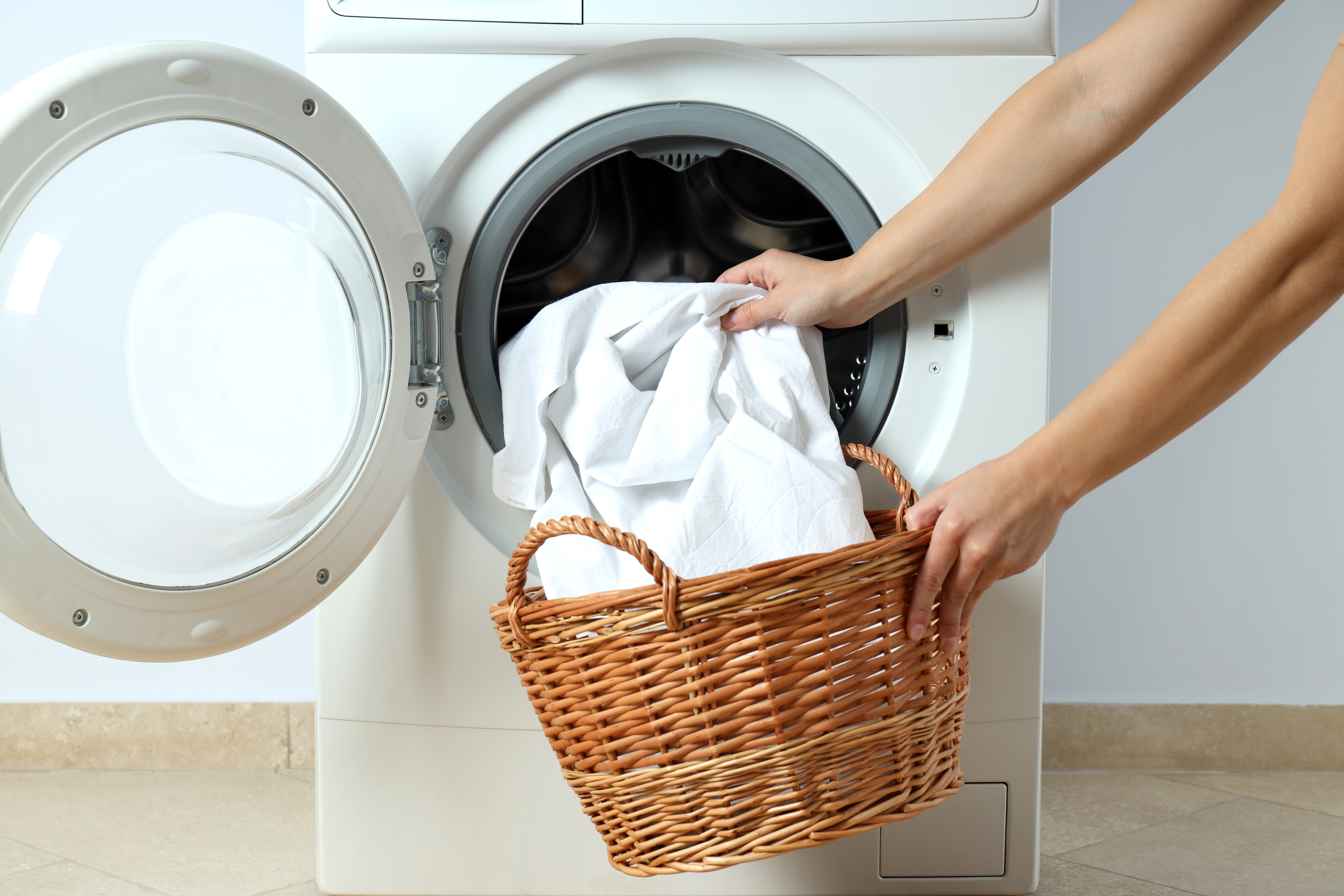
Use breathable bags or containers. Plastic bags can trap moisture and cause mildew. Keeping sheets clean and dry helps prevent allergens and keeps them fresh for use.
Disinfecting Bed Sheets
Disinfecting bed sheets kills germs and bacteria. Washing at 60°C or higher helps disinfect cotton sheets. For delicate fabrics, add a laundry sanitizer that is safe for your sheets.
Bleach can disinfect white cotton sheets but use with caution. Too much bleach harms fabric. For hypoallergenic bedding cleaning, avoid harsh chemicals and choose gentle disinfectants.
Fabric Softener and Bleach Use on Sheets
Fabric softener makes sheets soft but use it carefully. Overuse causes buildup and lowers absorbency. Use fabric softener on cotton sheets sparingly, and avoid on microfiber or linen.
Bleach is good for whitening but can damage fibers. Only use bleach on white cotton sheets if needed. Always dilute bleach and follow instructions to protect your sheets.
Washer Settings for Sheets
Using the right washer settings improves sheet care. Choose cycles like “Cotton,” “Delicate,” or “Bedding” depending on sheet type. These cycles control water temperature and agitation to protect fabric.
Avoid heavy soil settings unless sheets are very dirty. Gentle spin speeds reduce wrinkles and wear. Learn more about washing machine functions in our guide on how to reset GE washer machine.
Preventing Sheet Shrinkage
Sheet shrinkage happens when fabric is exposed to high heat or harsh washing. To prevent this, wash sheets in warm or cold water. Use low heat or air dry.

Following the fabric care label is vital. Avoid overloading the washing machine to allow sheets to move freely. This reduces stress on fibers and keeps sheets soft and sized right.
Laundry Care for Sheets: Summary Table
Good laundry care extends the life of your sheets. The table below shows key points for different sheet fabrics.
| Fabric | Water Temp | Detergent | Drying | Softener Use |
|---|---|---|---|---|
| Cotton | 40-60°C | Mild | Low-Med Heat | Light Use |
| Microfiber | Cold-Warm | Mild | Low Heat/Air Dry | None |
| Linen | Cold-Warm | Mild | Air Dry Preferred | None |
Following these tips helps you keep sheets clean, soft, and lasting longer. Proper washing and drying prevent damage and shrinkage.
Step-by-Step Guide to Washing Bed Sheets
Follow these steps for best sheet care:
- Check fabric care label for instructions.
- Pre-treat any stains with mild soap.
- Load sheets loosely in the washing machine.
- Choose the right detergent and amount.
- Select the proper cycle and water temperature.
- Use fabric softener sparingly if desired.
- Dry sheets on low heat or air dry.
- Fold and store sheets in a dry place.
For extra tips on cleaning your washing machine, see our article on how to clean rugs in washing machine.
Comparison of Washing Tips for Common Sheet Fabrics
Here is a quick comparison to help you decide how to wash different sheets.
| Feature | Cotton | Microfiber | Linen |
|---|---|---|---|
| Water Temp | Warm/Hot | Cold/Warm | Cold/Warm |
| Cycle | Normal | Gentle | Delicate |
| Fabric Softener | Light | None | None |
| Drying | Low-Medium Heat | Low Heat/Air | Air Dry |
Understanding these differences helps you care for your sheets correctly. It keeps them fresh and lasting longer.
Final Tips for Washing Bed Sheets
Remember these quick tips for fresh sheets:
- ✅ Wash sheets every 1-2 weeks.
- ✅ Use mild detergent and avoid excess soap.
- ✅ Choose the right water temperature for fabric.
- ✅ Dry sheets carefully to avoid shrinkage.
- ✅ Store sheets in a clean, dry place.
Good laundry care protects your investment and ensures clean, cozy bedding every night.
Pros of Regular Sheet Washing: Removes allergens, keeps sheets fresh, prevents skin problems.
Cons if Neglected: Builds up dirt, dust mites, odors, and can cause allergies.
Frequently Asked Questions
How often should I wash my bed sheets?
Experts recommend washing bed sheets once every one to two weeks to keep them clean and to prevent allergens and bacteria buildup.
What is the best detergent for sheets?
Use a mild, hypoallergenic laundry detergent that is free from dyes and perfumes to protect the fabric and skin.
Can I use bleach on my sheets?
Bleach should be used sparingly and only on white cotton sheets. Too much bleach can weaken fabric fibers and cause yellowing.
What temperature should I wash bed sheets at?
Washing at 40°C (104°F) is good for most sheets. Hotter water can clean better but may shrink or damage some fabrics like microfiber or linen.
How do I prevent my sheets from shrinking?
Use the correct water temperature, avoid high heat drying, and follow the fabric care label instructions to prevent shrinkage.

Michael Peterson is a home appliance writer focused on practical washing machine care, maintenance, and troubleshooting. He shares simple, reliable tips to help readers keep their washing machines running efficiently, avoid common problems, and extend appliance life.