Introduction to Washing Sleeping Bags
It is common to wonder if you can wash a sleeping bag in a machine. With proper care, many sleeping bags can be cleaned this way. Machine washing saves time and can clean deeply. However, the key is to use the right settings and detergent. This guide explains how to wash sleeping bags safely in 2026.
Many ask about washing down sleeping bags or synthetic ones. Each type needs specific care. Also, the choice between front load and top load washing machines matters a lot. To learn more about washing items safely in machines, see this guide on can wash feather pillow machine.
Can You Wash a Sleeping Bag in Washing Machine?
Yes, you can wash many sleeping bags in a washing machine. Most modern sleeping bags are made to be machine washable. Always check the care instructions on your bag before washing. Some bags are labeled as machine washable, while others only allow hand washing.
Machine washing is best for synthetic insulation bags, which handle water and detergents well. Down insulation bags can also be machine washed but need extra care to avoid damage to their delicate feathers. For both types, using a protective laundry bag is a good idea to prevent tears and zipper damage.
Using cold water wash and a gentle cycle is recommended. Avoid hot water as it can harm insulation and fabric. When in doubt, hand wash or take the bag to a professional cleaner.
Best Detergent for Washing Sleeping Bags
Choosing the best detergent for sleeping bags is vital. Regular detergents contain chemicals that harm insulation. Specialized detergents for down or synthetic sleeping bags keep materials safe. They clean well without removing natural oils or damaging fibers.
Fabric softeners and bleach should never be used, as they break down insulation fibers. Use a mild detergent designed for sleeping bags or outdoor gear. This preserves warmth and water resistance.
For synthetic sleeping bags, a gentle detergent that targets dirt and sweat works well. For down bags, use detergents with ingredients to protect feathers and maintain loft.
Washing Machine Settings for Sleeping Bags
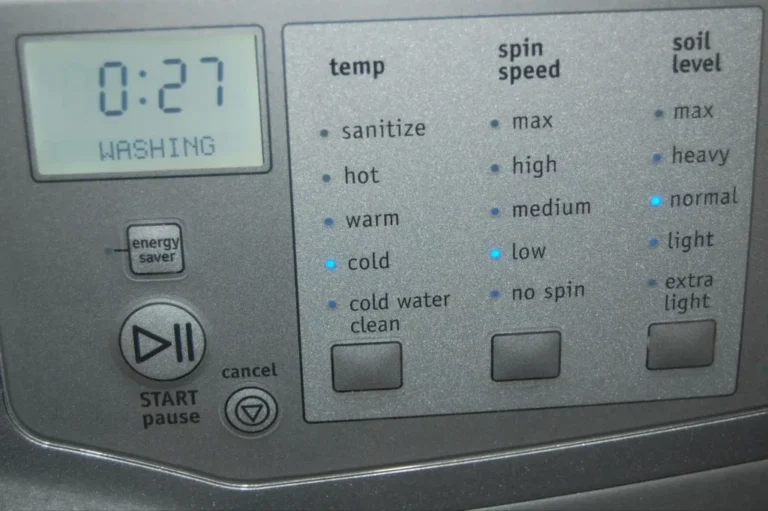
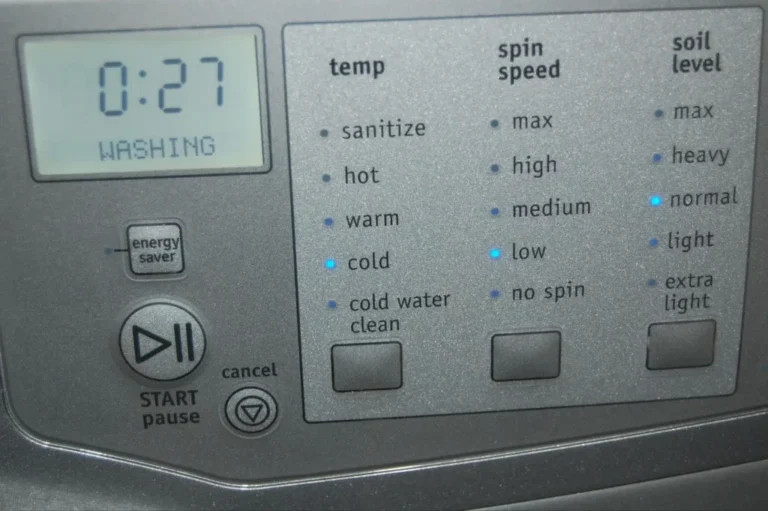
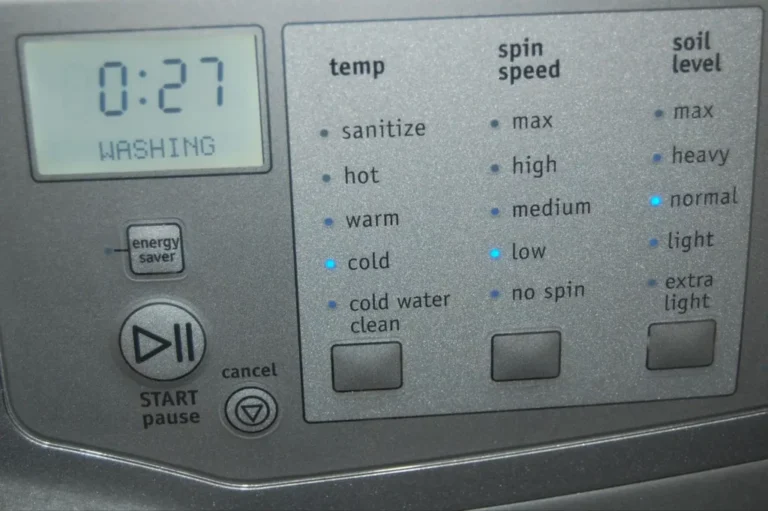
Setting the washing machine right is crucial. Use a gentle or delicate machine wash cycle to reduce stress on the fabric. Cold water is best for both down and synthetic insulation. It protects the bag’s fill and fabric from heat damage.
Choose a slow spin cycle to avoid clumping of insulation. Fast spins can cause uneven filling and damage the structure. Front-load washers are preferred since they use less agitation and are gentler. Top-load washers with agitators may cause tearing or zipper damage.

It is important to zip the sleeping bag fully and close all flaps before washing. Using a protective laundry bag adds an extra layer of protection.
How to Avoid Damage When Washing a Sleeping Bag
Damage prevention is key when washing sleeping bags. Always zip all zippers and secure any Velcro or flaps. This prevents snagging during the wash cycle. Place the sleeping bag inside a large mesh laundry bag for extra safety.
Avoid overloading the washing machine to allow enough room for the bag to move freely. Use cold water and gentle detergent to protect insulation. Skip fabric softeners and bleach. They break down fibers and reduce bag life.
After washing, gently press out excess water without wringing. Wringing can cause clumping and damage the insulation.
Drying Sleeping Bags After Wash
Proper drying is as important as washing. Tumble drying on low heat with clean tennis balls helps restore loft and fluff the insulation. The tennis balls break up clumps and keep fill evenly spread.
If you prefer air drying, lay the sleeping bag flat on a drying rack indoors. Avoid direct sunlight, which can fade fabric and weaken fibers. Be patient; drying sleeping bags can take a long time.
Do not use high heat or short drying times. This risks melting synthetic fibers or shrinking down insulation. Slow and steady is best for long bag life.
How Often to Wash Sleeping Bags
Washing sleeping bags too often wears them out faster. Industry consensus indicates washing only when needed is best. After each trip, airing out and spot cleaning dirt is enough. Machine washing is recommended only a few times per year.
Frequent washing can break down insulation and reduce water resistance. Use a sleeping bag liner to keep it cleaner between washes. Proper care extends the bag’s life and performance.

Washing Down Sleeping Bags vs Synthetic Sleeping Bags
Down and synthetic sleeping bags differ in cleaning needs. Down bags require gentle detergents made for feathers. Use cold water and gentle cycles to avoid clumping. Dry with tennis balls to keep feathers fluffy.
Synthetic bags are more durable and can handle harsher washing. Still, use mild detergent and cold water. Avoid high spin speeds to keep insulation even. Both types benefit from protective laundry bags when machine washed.
See this external resource on Sleeping Bag Care: How to Wash a Sleeping Bag for more detailed care tips.
Front Load vs Top Load Washing Machines
Front-load washers are gentler on sleeping bags. They use less water and create less agitation. This protects fabrics and insulation better. Front-load washers also rinse well, leaving less detergent residue.
Top-load washers with agitators can be rough. They may cause fabric wear or zipper damage. If using a top-load machine, choose a gentle cycle and use a protective laundry bag. Avoid overloading the machine to reduce friction.
Overall, front-load washers are the safer choice for washing sleeping bags. They help keep bags in good shape longer.
Care Instructions for Sleeping Bags Summary
To keep sleeping bags clean and lasting, follow these care tips:

- ✅ Check the care label before washing.
- ✅ Use cold water and gentle cycle on the machine.
- ✅ Choose detergents made for down or synthetic insulation.
- ✅ Use a laundry bag to protect the bag and washing machine.
- ✅ Dry on low heat with tennis balls or air dry indoors.
- ✅ Wash only when necessary, not after every trip.
- ✅ Store sleeping bags dry and loose to keep loft.
These simple steps help maintain warmth, fabric strength, and water resistance. Proper cleaning also improves comfort on your outdoor adventures.
🚀 Beginner Tip: Always test a small area of your sleeping bag with detergent first to check for colorfastness.
Washing Sleeping Bags: Key Settings Comparison
| Feature | Front-Load Washer | Top-Load Washer |
|---|---|---|
| Gentleness | High | Moderate to Low |
| Water Usage | Low | Higher |
| Agitation | Minimal | Strong (agitator) |
| Detergent Rinse | Better | Good |
| Recommended for Sleeping Bags | Yes | With caution |
The table shows why front-load machines are preferred for washing sleeping bags. They reduce damage risk and save water.
Always balance your washing machine load to avoid shaking or damage during spin cycles.
Step-by-Step Guide to Machine Washing a Sleeping Bag
- Read your sleeping bag’s care label carefully.
- Zip all zippers and close flaps securely.
- Place the sleeping bag inside a large mesh laundry bag.
- Use a front-load washer if possible and select gentle cycle.
- Set water temperature to cold and add a suitable detergent.
- Start the wash, avoiding fabric softeners and bleach.
- After washing, gently press out excess water without wringing.
- Tumble dry on low heat with tennis balls or air dry indoors.
Following these steps helps keep your sleeping bag clean and safe from damage.
Conclusion
In 2026, washing sleeping bags in machines is safe if done correctly. Use cold water, a gentle cycle, and special detergent. Front-load washers are preferred to protect fabric and insulation. Always zip your bag and use a laundry bag for added safety.
Dry sleeping bags slowly and avoid high heat to keep insulation fluffy. Wash bags only when needed to extend their life. By following these simple rules, your sleeping bag will stay clean and warm for many adventures.
For a deeper understanding of sleeping bag cleaning, analyzing resources on sleeping bag care guide provides excellent foundational context.
Frequently Asked Questions
Can all sleeping bags be machine washed?
Not all sleeping bags are machine washable. Always check the care label. Many synthetic sleeping bags can be machine washed, but down sleeping bags need gentle care.
What is the best detergent for washing sleeping bags?
Use a detergent made for down or synthetic insulation. Avoid fabric softeners and bleach, as they can damage the insulation and fabric.
Should I use a front load or top load washing machine for sleeping bags?
Front-load washers are better because they are gentler on sleeping bags. Top-load washers with agitators may cause damage.
What washing machine settings should I use for my sleeping bag?
Use a gentle or delicate cycle with cold water. Avoid hot water as it can damage insulation and fabric.
How do I dry a sleeping bag after washing?
Tumble dry on low heat with clean tennis balls to help fluff insulation. Alternatively, air dry on a drying rack indoors.

Keith Boyd Is A Seasoned Appliance Care Expert With Over A Decade Of Experience In Home Appliance Maintenance. His Authoritative Insights On Washing Machine Care And Upkeep Are Trusted By Homeowners Nationwide. With A Passion For Educating Others, Keith Shares Valuable Tips That Ensure Your Appliances Run Smoothly For Years To Come.