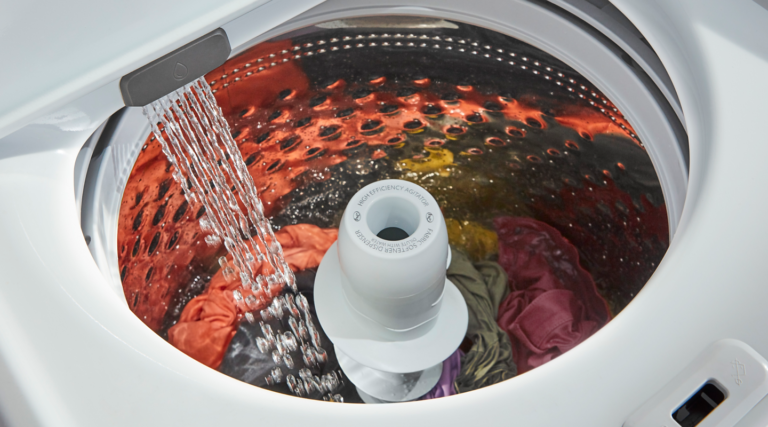
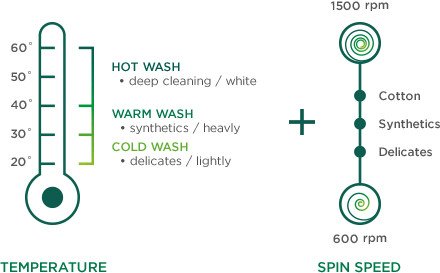
Introduction to Soil Level Sensors in Washers
In 2026, washing machines with soil sensor technology are common. These smart washers detect how dirty your clothes are. Then, they adjust the washing cycle to clean efficiently. This feature helps save water and energy by avoiding over-washing.
Industry consensus shows that advanced soil level washers lead the market. They offer better cleaning and fabric care. For a deeper understanding of this mechanic, analyzing resources on soil level on a washing machine provides excellent foundational context.
These machines often come with easy-to-use washer control panels. Users can select soil level settings manually or let the washer auto-detect soil. This makes laundry easier and smarter.
How Soil Level Sensors Work
Soil sensors measure the dirtiness of clothes during the wash. They use light or water sensors to check how cloudy the water becomes from dirt. This data helps the machine decide the wash time, water amount. And rinse cycles.
Some washers also use machine learning sensors to improve accuracy over time. They learn from past washes to better judge soil level. This leads to wash program customization that fits your laundry load perfectly.
Modern washers combine soil detection with load size calibration and fabric type detection. This ensures the best wash without damaging clothes or wasting energy.
Benefits of Soil Level Washing Machines
Using a washing machine with soil level sensors has many perks. First, it saves water by using only what’s needed. Second, it reduces energy use since the cycle runs just long enough to clean.
Third, these washers protect clothes better. By adjusting wash time and detergent dosage based on soil, they avoid harsh washing. This helps keep fabrics soft and last longer.
Finally, smart soil level washers prevent over-washing. This means less wear on clothes and less waste of resources.
Soil Level Settings and User Interface
Most smart washers offer soil level settings on the washer control panel. Users can pick light, medium, or heavy soil. Some models even let you fine-tune settings for special fabrics.
The interface is designed to be simple. It often shows soil level options alongside other cycle choices. This helps users customize their wash easily.
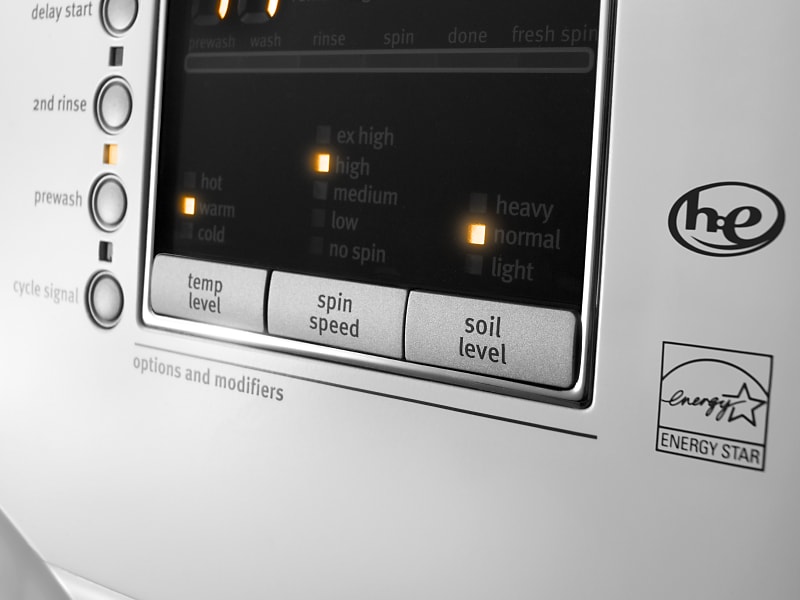
Automatic soil detection washers do not need manual input. They sense dirt and adjust settings themselves. This is perfect for busy users who want hassle-free laundry.
Water Consumption and Energy Efficiency
Soil level sensors optimize water use. When clothes are less dirty, the washer uses less water. This is a key feature in energy efficient soil level washers.
Because water heating uses energy, less water means lower energy use. Also, shorter wash cycles save power. Together, these features cut your home’s utility bills.
Many soil detection laundry appliances meet strict energy ratings. They help consumers reduce their carbon footprint and save money.
Fabric Care and Soil Adjustment
Soil sensors help washers adjust for different fabric types. Delicate fabrics get gentle cycles with less agitation. Heavier fabrics get stronger washing but only as needed.
This fabric care soil adjustment prevents damage. It keeps clothes looking new longer. This is vital in today’s eco-conscious market.
The sensor accuracy ensures fabrics are cleaned well without harsh treatment. It balances cleaning power and care perfectly.
Soil Level Wash Cycle Control
Soil detection controls the washing cycle. It sets how long to wash, how much detergent to use. And rinse efficiency. This control improves washing performance soil levels.
Some washers use multiple sensors to measure soil load. This laundry soil measurement system guides the machine in real time.
The result is a cycle tailored to your laundry’s needs. It avoids wasting water, detergent. And energy.

Calibration and Maintenance of Soil Sensors
For best results, washer soil level calibration is important. Sensors may need cleaning or resetting now and then. This keeps sensor accuracy high.
Many modern washers guide users through simple calibration steps on the control panel. Proper calibration ensures the soil sensor works right every time.
Regular maintenance helps avoid false readings and keeps washing cycles optimized.
Comparison of Soil Sensor Technologies
In 2026, various soil sensor technologies exist. Common types include optical sensors, conductivity sensors. And machine learning based sensors.
Optical sensors measure water clarity. Conductivity sensors detect dirt particles electrically. Machine learning sensors improve with use.
Each has pros and cons. Choosing the right one depends on cost, accuracy. And energy goals.
| Sensor Type | How It Works | Pros | Cons |
|---|---|---|---|
| Optical | Measures water cloudiness with light | Fast, accurate | Can be affected by detergent |
| Conductivity | Measures electrical signals of dirt | Simple, low cost | Less precise with some soils |
| Machine Learning | Uses data patterns to predict soil | Improves accuracy over time | More complex, costly |
Understanding these helps consumers pick washers that fit their needs and budget.
Tips to Maximize Soil Sensor Washer Performance
To get the best from your washer, keep sensors clean and calibrated. Avoid overloading the machine to help soil sensors work well.
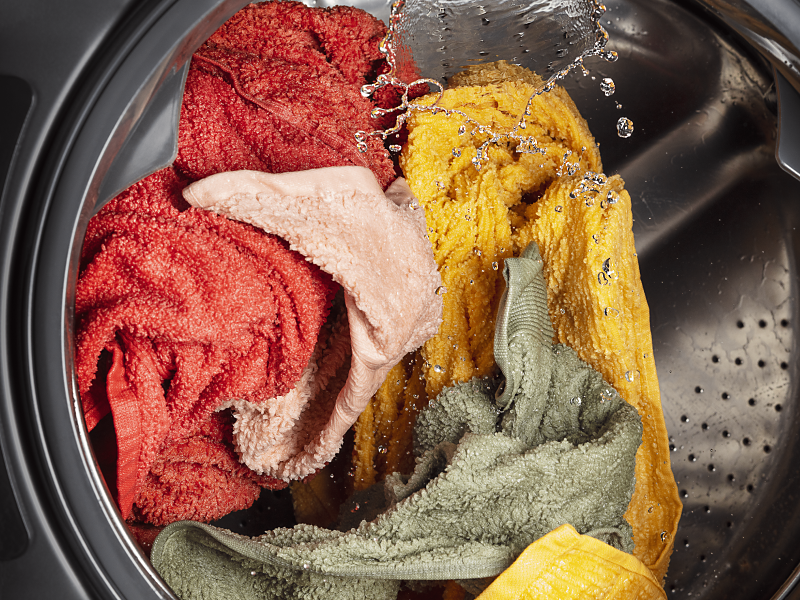
Use the right detergent and follow fabric care guidelines. Select soil level settings that match your load if manual options exist.
These steps ensure your smart washer washes well while saving water and energy.
Conclusion: Smart Soil Level Washers for 2026
Soil level sensor washing machines offer smart laundry solutions. They adjust wash cycles to dirtiness, saving water, energy. And protecting fabrics.
Automatic soil detection washers simplify laundry with accurate soil measurement and cycle control. Their energy efficient soil level settings help reduce household costs and environmental impact.
In 2026, choosing a washer with intelligent washing machine sensors is wise. It delivers better cleaning, fabric care. And sustainability. For more on washing machine soil level settings, see our guide on soil level meaning.
Adopting these appliances supports a smarter, greener future in home laundry.
| Feature | Benefit | User Impact |
|---|---|---|
| Automatic Soil Detection | Customizes wash cycle | Better cleaning, less waste |
| Energy Efficient Settings | Reduces power use | Lower bills, eco-friendly |
| Fabric Care Adjustment | Protects clothes | Longer fabric life |
By choosing washers with load soil sensor washing machine technology, users enjoy tailored cleaning that fits every laundry load. This tech is a key step forward in smart home appliances.
As always, keeping your washer clean helps sensors stay accurate. For maintenance tips, see how to reset and clean your washer effectively.
| Maintenance Task | Frequency | Purpose |
|---|---|---|
| Soil Sensor Calibration | Every 6 months | Ensure sensor accuracy |
| Washer Drum Cleaning | Monthly | Prevent residues |
| Detergent Drawer Cleaning | Monthly | Keep detergent flowing |
For more on washing machine care, explore our detailed guides on how to reset and maintain washers. This keeps your smart wash soil level adjustment working at its best.
Frequently Asked Questions
What is a soil level sensor in washing machines?
A soil level sensor detects how dirty clothes are to adjust the wash cycle, saving water and energy.
How does automatic soil detection improve washing?
It customizes wash time, water use, and detergent amount based on dirtiness, improving cleaning and fabric care.
Can soil sensor washers save energy and water?
Yes, by adapting cycles to soil levels, these washers reduce water and energy waste compared to fixed programs.
Do all washing machines have soil level settings?
No, only smart washers with soil sensor technology include soil level settings for wash cycle control.
How do soil sensors affect detergent dosage?
Soil sensors help adjust detergent use, giving just enough to clean clothes well without excess waste.

Michael Peterson is a home appliance writer focused on practical washing machine care, maintenance, and troubleshooting. He shares simple, reliable tips to help readers keep their washing machines running efficiently, avoid common problems, and extend appliance life.