Introduction to Cleaning Your GE Top Load Washer
In our experience, cleaning a GE top load washing machine is key to keeping it fresh and working well. Many people forget that washers can build up mold, mildew, and detergent residue over time. These problems cause bad smells and can harm your clothes. We have found that regular cleaning and maintenance extend the washing machine lifespan and stop these issues early.
You can learn simple ways to maintain your washer and remove common problems like washing machine odor elimination and removing mold washing machine areas. For those interested, detailed tips on how to clean smelly laundry machine can also help stop odors fast.
Let’s dive into cleaning steps and hacks to keep your GE washer in top shape.
Why Clean Your GE Top Load Washer?
Cleaning your washer is not just about looks. Mold and mildew grow in warm, damp spots like the washer drum and detergent dispenser. Over time, cleaning detergent buildup and fabric softener residue collect and block water flow.
These build-ups cause smells and can make clothes less clean. Running a washing machine cleaning cycle alone may not clear all dirt. Manual cleaning steps are needed for deep cleaning. We have seen that neglecting this care shortens the machine’s life and leads to more repairs.
Good laundry appliance upkeep keeps your washer fresh, stops mold, and keeps clothes smelling great.
Preparing to Clean Your GE Top Load Washer
Start by checking your GE washer cleaning instructions in the manual. Some models have special cleaning cycles or filters. For example, the washer lint trap or filter might need cleaning too. You can find user guides on the GE website or trusted forums like GE top loader filter info.
Gather cleaning agents. We recommend:
- ✅ Bleach-based cleaner for mold and mildew
- ✅ White vinegar and baking soda for natural cleaning
- ✅ Warm soapy water for manual scrubbing
Also, set the washer’s water temperature to hot for cleaning cycles. Hot water helps break down buildup better.
Step-By-Step Cleaning Process
Here is a simple guide to deep clean your top load washer:
- Remove detergent dispenser tray and soak it in warm soapy water.
- Wipe the washer drum, tub surface, and inside lid with a cloth dipped in vinegar or bleach solution.
- Scrub any visible mold or residue spots gently.
- Run a cleaning cycle with hot water, adding two cups of white vinegar or a bleach-based cleaner.
- After the cleaning cycle, run a rinse cycle to flush out residue.
- Dry all parts well before using the washer again.
These steps remove dirt, mold, and buildup that cause odors. Manual cleaning of the detergent dispenser is very important to stop fabric softener buildup and grime.
For more detailed manual cleaning steps, check this guide on how to clean front load washing machine rubber seal. Although it focuses on front loaders, it has good tips on cleaning seals and crevices that apply to top loaders too.
Tips to Prevent Mold and Odor
We have learned these hacks help prevent mold and bad smells:
- Leave the lid open after washing to air dry the drum.
- Use the correct amount of detergent and fabric softener.
- Run a monthly cleaning cycle with a sanitizer or vinegar solution.
- Wipe down the detergent dispenser and washer tub surfaces regularly.
These small steps stop mold and mildew growth before it starts. Mold thrives in moist spots, so airing out your washer is key.
:max_bytes(150000):strip_icc()/clean-top-load-washing-machine-5073254-V1-4d57061f759a4c84a61cb797084649a7.png "How to Clean a Top-Load Washing Machine (Figure)")
Natural washing machine cleaners like vinegar are safe and effective. For tough buildup, bleach-based cleaners work better but use them carefully. Always follow safety rules on labels.
Washing Machine Cleaning Hacks We Found Useful
We have tried many hacks, and these are our favorites:
- Use a toothbrush to clean small crevices in the detergent dispenser and drum.
- Mix half a cup of baking soda with vinegar for a bubbling cleaning reaction inside the drum.
- Run an empty hot wash cycle after cleaning to rinse out loose dirt.
These hacks save time and boost cleaning power without expensive cleaners. We recommend trying them before buying special products.
For more on natural solutions, visit this detailed page about how to clean washing machine with vinegar.
Regular Washing Machine Maintenance Tips
Keeping your washer clean is part of good maintenance. Here are our top tips:
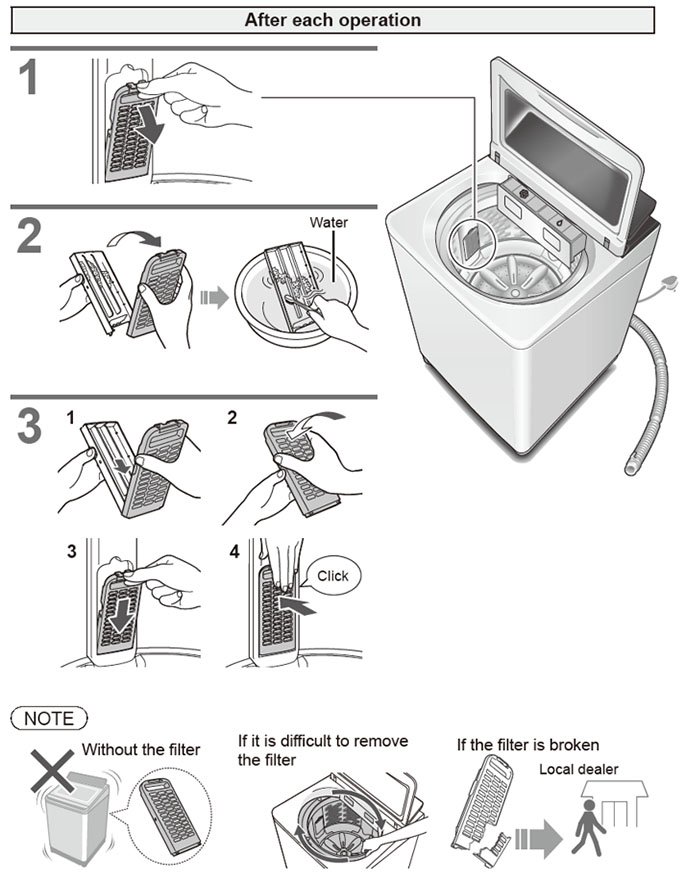
- Check and clean the washer filter or lint trap every few months.
- Inspect hoses and connections for leaks or damage.
- Use the proper water temperature setting for each load.
- Avoid overloading to reduce strain on the drum and motor.
These steps help avoid costly repairs and extend machine life. If your GE washer shows issues, try GE top load washer troubleshooting guides online or contact support.
Best Cleaners for Washing Machines
We tested some popular cleaners for washing machines. Here is a quick look:
| Cleaner | Type | Effectiveness | Safety |
|---|---|---|---|
| Bleach-based Cleaner | Chemical | High for mold and mildew | Use with caution, avoid skin contact |
| White Vinegar | Natural | Good for mild buildup and odors | Safe and eco-friendly |
| Baking Soda | Natural | Helps neutralize odors | Safe and non-toxic |
| Commercial Washing Machine Cleaner | Chemical | Varies by brand | Follow label instructions |
We prefer natural cleaners for regular upkeep and bleach for tough mold. Always rinse well after chemical use.
Remember, no single product fits all. Choose based on your washer’s needs and your comfort with chemicals.
Common GE Top Load Washer Issues and Fixes
Sometimes cleaning alone is not enough. If you notice:
- Washer not draining
- Water leaks
- Strange noises
Check the washer filter and hoses for clogs or damage. A clogged filter can cause slow draining and odors. You can learn more on GE top loader filter issues.
For noisy washers, make sure the load is balanced and the machine is level. If problems persist, a service repair may be needed.
Summary and Final Advice
In conclusion, cleaning your GE top load washer is simple but very important. Regular care stops mold, odor, and detergent buildup. Use natural or bleach cleaners as needed, and don’t forget manual cleaning of the detergent dispenser and drum surfaces.
Following these tips and tricks will keep your washer fresh, extend its lifespan, and make your laundry smell great. Remember to check your machine’s manual for specific cleaning cycles and parts care.
Good maintenance is the best way to avoid costly repairs and keep your laundry routine smooth.
Frequently Asked Questions
How often should I clean my GE top load washer?
It is best to clean your GE top load washer every 1 to 3 months to prevent mold, mildew, and detergent buildup. Regular cleaning helps keep your washer fresh and working well.
What is the best way to remove mold from a washing machine?
To remove mold, use a bleach-based cleaner or a natural mix of vinegar and baking soda. Run a cleaning cycle with hot water and wipe down all rubber seals, drum surfaces, and detergent dispensers.
Can I use natural cleaners to clean my washing machine?
Yes, natural cleaners like vinegar and baking soda work well. They help break down buildup and kill odors without harsh chemicals. However, for tough mold, a bleach-based cleaner may be more effective.
How do I clean the detergent dispenser on a GE washer?
Remove the detergent dispenser tray, soak it in warm soapy water, scrub away residue, and rinse well. Regular cleaning prevents fabric softener and detergent buildup that can cause odors.
What signs show my washing machine needs cleaning?
Common signs include bad odors, mold or mildew spots, leftover detergent residue, slow draining, and clothes not smelling fresh after washing.

Michael Peterson is a home appliance writer focused on practical washing machine care, maintenance, and troubleshooting. He shares simple, reliable tips to help readers keep their washing machines running efficiently, avoid common problems, and extend appliance life.