Why Regular CPAP Cleaning Matters
We use CPAP machines every night to help with sleep apnea. Keeping the machine clean is key for health and good sleep. Dirt, mold, and bacteria can build up fast in the humidifier chamber, air tubing, and mask cushions. This can cause bad smells, skin irritation, or even infections. We have found that following a good CPAP cleaning routine keeps our machine fresh and safe to use.
Cleaning CPAP equipment is not hard but needs to be done right. You want to prevent mold growth and keep your CPAP mask hygiene at its best. In this guide, we’ll share tips and clear steps for daily and deep cleaning your CPAP machine in 2026.
We also include advice on safe CPAP cleaning products and travel cleaning methods to help you maintain your machine anywhere.
Daily CPAP Cleaning Routine
In our experience, a daily clean keeps bacteria and odors away. Every morning, empty the water from the humidifier chamber. Use distilled water to prevent mineral build-up. Wipe the mask cushion gently with CPAP cleaning wipes to remove oils and sweat. These wipes are easy to use and do not harm mask materials.
We also check the air tubing for any moisture or dirt. If you notice any, rinse it with warm water and let it air dry before using it again. Doing this daily prevents mold from growing inside the tube and keeps the air fresh.
Remember, always follow your machine manufacturer instructions for cleaning parts. Some newer models have special filters or parts that need extra care.
Weekly Deep Cleaning Steps
Once a week, we do a deep clean to disinfect and prevent bacterial contamination. Start by unplugging your CPAP machine. Remove the mask, tubing, humidifier chamber, and filters.
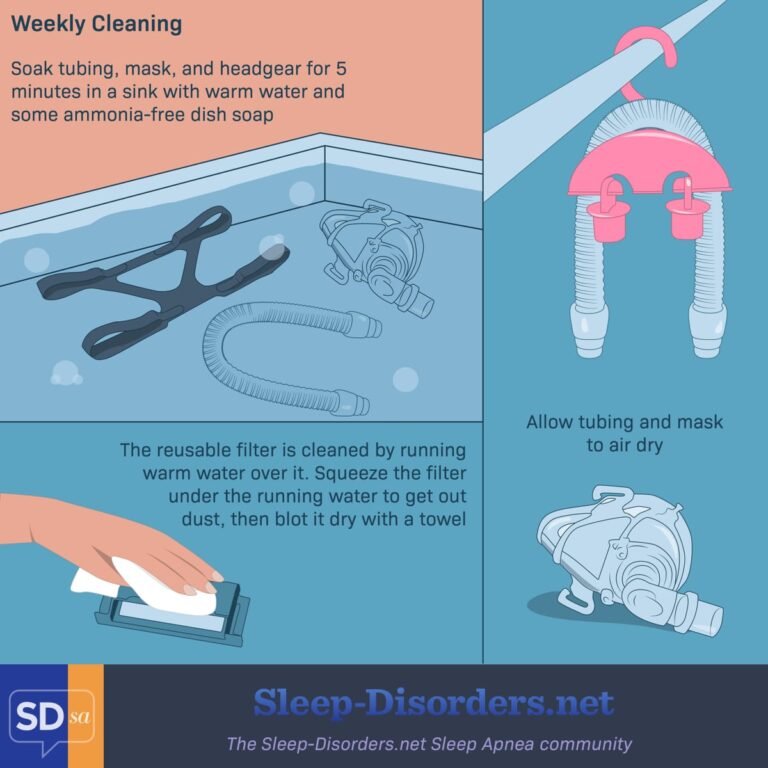
Wash the mask and tubing in warm water with mild soap. Avoid any strong soaps or bleach. Soak the humidifier chamber in a solution of one part white vinegar to three parts water for 30 minutes. Then rinse everything well with clean water.
After rinsing, let all parts air dry completely on a clean towel. Do not dry with heat or direct sun as this can damage parts. The drying process is very important to stop mold growth inside your CPAP machine.
For the CPAP filter replacement, check if your filter looks dirty or clogged. Replace it if needed, usually every 1 to 3 months. Using clean filters helps keep the air you breathe healthy and free of dust.
To disinfect the CPAP machine itself, use a soft cloth with a small amount of rubbing alcohol or FDA-approved cleaning solution. Avoid spraying liquids directly on the machine. Wipe gently and let it dry before plugging back in.
We found that following this weekly cleaning schedule helps keep our CPAP machine odor free and running well.
For more detailed tips on disinfecting and cleaning, the FDA offers useful advice on CPAP cleaning devices and safety.
Preventing Mold and Bacteria in Your CPAP Machine
We cannot stress enough how important it is to prevent mold. Mold grows fast in warm, wet places like the CPAP humidifier chamber or water reservoir. Always empty the water chamber daily and use distilled water only.
Make sure to dry all parts after cleaning. Moisture left inside the mask cushion or air tubing invites bacteria growth. A clean, dry environment is the best defense.
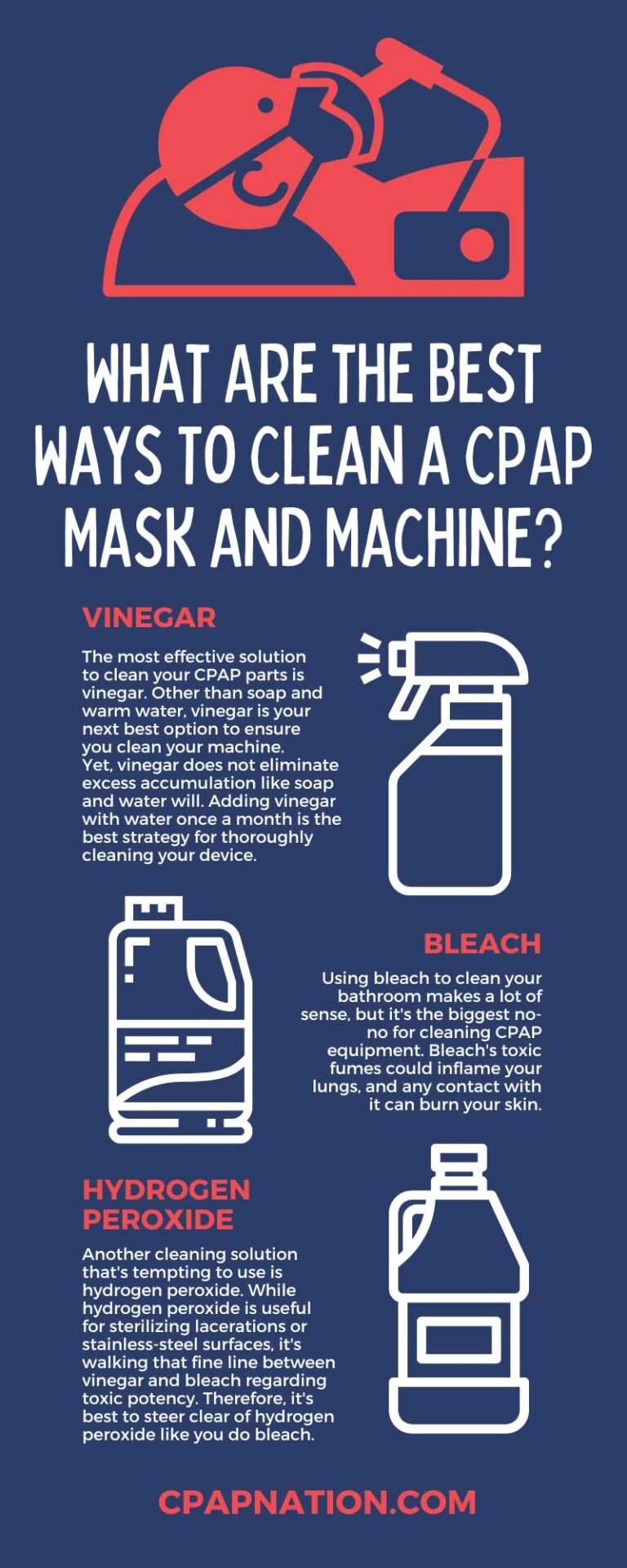
Using safe CPAP cleaning products designed for your machine also helps. Avoid harsh chemicals that can damage your equipment and cause skin irritation. Choose mild soap, vinegar, or approved wipes.
- ✅ Prevents mold and bacteria
- ✅ Improves air quality and machine lifespan
- ✅ Keeps mask cushions soft and comfortable
Cons of Skipping Cleaning
- Risk of infections and skin problems
- Bad odors and clogged filters
- Shorter machine life and costly repairs
We also recommend checking your CPAP tubing for cracks or holes regularly. Damaged tubing reduces therapy effectiveness and can harbor germs.
Travel CPAP Cleaning Methods
When traveling, cleaning your CPAP machine can be tricky. We carry small CPAP cleaning wipes for mask cushions and portable cleaner devices for quick disinfecting. These tools help maintain hygiene on the go.
Another tip is to pack distilled water for the humidifier and a small travel bag for your machine parts. Always follow your usual cleaning routine as much as possible, even away from home.
Some travelers use UV light portable cleaners that kill bacteria without liquids. These devices are FDA-approved and safe for masks and tubing. They add extra protection during trips.
:max_bytes(150000):strip_icc()/how-to-clean-cpap-3015322-v1-5c1ac1cc46e0fb0001e27563.png "Clean a CPAP Machine: A How-To Guide (Figure)")
For more travel tips and cleaning routines, Mayo Clinic shares user experiences on CPAP cleaning routines that work well on the road.
CPAP Machine Maintenance Tips
Besides cleaning, regular maintenance keeps your CPAP machine working well. We check the power cord and connections for damage. Clean the outside of the machine with a soft cloth.
Follow the manufacturer’s instructions for replacing filters and parts. Keeping up with this schedule avoids costly repairs and helps your therapy stay effective.
We keep a cleaning schedule calendar to remind us when to do deep cleaning and filter changes. This simple step ensures we never skip important maintenance.
- Unplug the machine and remove mask, tubing, humidifier, and filters.
- Wash mask and tubing with warm soapy water.
- Soak humidifier chamber in vinegar solution for 30 minutes.
- Rinse all parts with clean water.
- Air dry all parts completely.
- Wipe machine exterior with soft cloth and approved cleaner.
- Replace filters if needed.
We also found it helpful to store clean parts in a dry, dust-free container to keep them fresh between uses.
Recommended CPAP Cleaning Schedule
To keep things clear, here is a simple table we follow for cleaning frequency. It helps us stay on track and keep our machine safe.
| Part | Cleaning Frequency | Notes |
|---|---|---|
| Mask Cushion | Daily | Wipe with CPAP wipes or mild soap |
| Air Tubing | Weekly | Wash with warm soapy water, air dry |
| Humidifier Chamber | Weekly | Clean with vinegar solution, rinse well |
| Filters | Every 1-3 months | Replace or wash per manufacturer tips |
| Machine Exterior | Weekly | Wipe with approved disinfectant |
Following this schedule helps reduce mold, bacteria, and odors. It also extends the life of your CPAP machine and parts.
We want to share one more important table that compares cleaning methods and their pros and cons. This helps you pick the best way for your needs.
| Cleaning Method | Pros | Cons |
|---|---|---|
| Manual Soap & Water | Easy, low cost, effective | Time-consuming, needs drying time |
| CPAP Cleaning Wipes | Fast, portable, no drying needed | Costly, less deep cleaning |
| UV Light Cleaners | Disinfects well, no liquids | Higher cost, needs power source |
We think a mix of manual cleaning and wipes works best for daily and weekly care. UV cleaners are great for travel or extra protection.
Choosing Safe CPAP Cleaning Products
We always pick cleaning products that are safe and approved for CPAP use. Harsh chemicals can harm the mask material or leave harmful residues. Mild dish soap, white vinegar, and special CPAP wipes are our top choices.
Look for products that meet FDA guidelines or are recommended by your machine maker. This ensures user safety and machine care. Avoid bleach, alcohol sprays on masks, or strong disinfectants unless the manual allows it.
Here is a quick list of safe CPAP cleaning products we trust:
- Mild unscented dish soap
- White vinegar diluted in water
- CPAP cleaning wipes made for mask hygiene
- FDA-approved disinfectant sprays for machine exterior
We avoid any household cleaners with bleach or ammonia. These can cause mask damage and skin irritation.
Final Thoughts on CPAP Cleaning in 2026
Keeping your CPAP machine clean is a simple but crucial step for therapy success. A good daily and weekly cleaning routine prevents mold, bacteria, and odors. It also protects your health and keeps your machine working longer.
We have learned that safe cleaning products, following manufacturer instructions, and regular filter changes make a big difference. Whether at home or traveling, taking care of your CPAP machine is easy with the right tools and habits.
Remember to check trusted sources like cleaning CPAP equipment guides for the latest tips and product approvals. This helps you stay updated and keep your sleep apnea therapy safe and effective.
Frequently Asked Questions
How often should I clean my CPAP mask and tubing?
You should clean your CPAP mask and tubing at least once a week with mild soap and water to prevent bacteria and mold build-up.
Can I use regular household cleaners on my CPAP machine?
No, avoid harsh chemicals. Use only recommended or FDA-approved cleaning solutions to protect your CPAP equipment.
What is the best way to dry CPAP parts after cleaning?
Air drying on a clean towel away from direct sunlight is best. Avoid using heat to dry to prevent damage.
How often should I replace my CPAP filters?
CPAP filters should be replaced every 1 to 3 months, depending on your environment and machine manufacturer instructions.
Are CPAP cleaning wipes safe to use daily?
Yes, CPAP wipes made for mask hygiene are safe and convenient for daily use to keep your mask fresh and clean.

Michael Peterson is a home appliance writer focused on practical washing machine care, maintenance, and troubleshooting. He shares simple, reliable tips to help readers keep their washing machines running efficiently, avoid common problems, and extend appliance life.