Introduction: Why Clean the Rubber Seal?
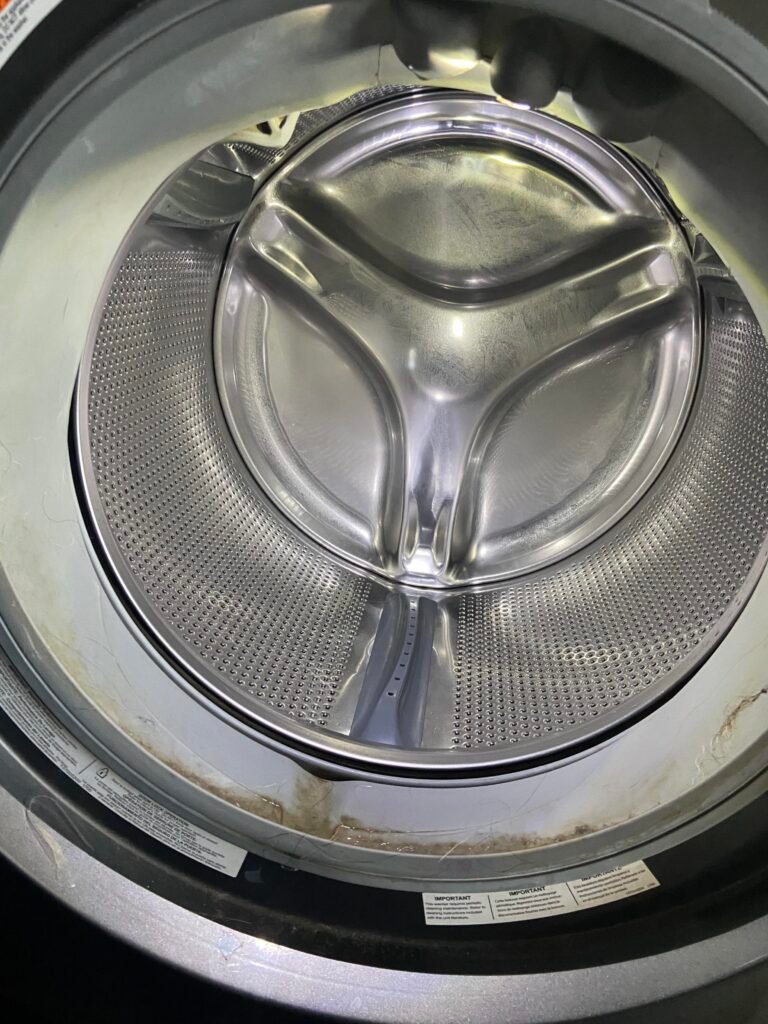
In our experience, the rubber door seal on front-loading washers traps moisture and dirt. This makes it a perfect spot for mold and mildew to grow. These cause bad smells and can hurt your machine’s performance. Cleaning the rubber seal stops these issues and keeps your washer fresh. If you want to learn how to clean the rubber seal properly, you are in the right place. We will share easy tips and tricks that really work.
We also suggest checking out our guide on how to clean washing machine with mold to tackle any deep mold problems in your washer.
Let’s dive into the best ways to keep your front loader seal clean and smelling good.
Why Does Mold Build Up on Washer Rubber Seals?
Mold grows on the rubber seal because it stays wet and dark after washing. Soap residue and dirt collect there too. These things feed mold. Front loaders have a tight door gasket that traps water and air. This makes the perfect damp space for mold to multiply.
When mold grows, it causes a musty smell. It also can cause the seal to break down faster. This can lead to leaks. So, cleaning the seal is very important for your washer’s health.
Humidity in the laundry room makes mold worse. Using a fan or opening a window helps air dry the area faster. We have also found that running warm water washes often helps reduce moisture.
Tools and Cleaning Agents You Need
We keep the cleaning simple with items you probably already have at home. Here is what you need:
- ✅ White vinegar (a natural mold killer)
- ✅ Baking soda (for scrubbing)
- ✅ Bleach (for tough mold stains, use carefully)
- ✅ Microfiber cloths (soft and absorbent)
- ✅ Spray bottle (for easy application)
- ✅ Protective gloves (to protect your hands)
- ✅ Old toothbrush or small soft brush (to clean crevices)
We prefer vinegar because it is safe and works well without harsh chemicals. But for heavy mold, bleach works better if used with care. Avoid harsh scrubbing that can damage the rubber.
Step-by-Step Guide to Clean the Rubber Seal
We follow these steps every month to keep mold away and remove odors:
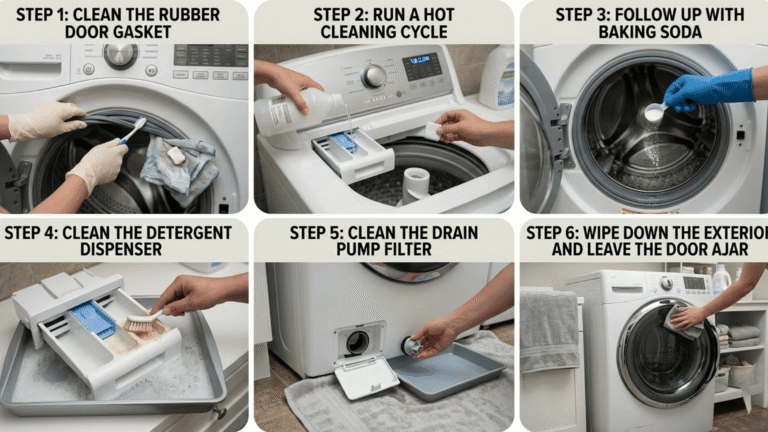
Step 1: Put on gloves to protect your skin. Mix a solution of equal parts white vinegar and water in a spray bottle.
Step 2: Spray the rubber seal and inside folds well. Let it sit for 10 minutes to kill mold and loosen dirt.
Step 3: Use a microfiber cloth or toothbrush to scrub the seal gently. Focus on crevices where mold hides.
Step 4: Wipe away residue with a clean damp cloth. If mold is still visible, mix a small amount of bleach with water (1:10 ratio) and carefully apply it to the problem areas. Let sit 5 minutes.
Step 5: Rinse the seal with a damp cloth to remove bleach. Leave the washing machine door open to dry completely.
If you want a detailed guide with images, Whirlpool offers a great article on cleaning the gasket on front load washer.
Cleaning regularly like this stops mold from coming back fast.
Tips for Preventing Mold and Mildew
We have learned that prevention is better than deep cleaning. Here are top tips to keep your rubber seal dry and clean:
- Leave the door open for an hour after each wash to air dry the seal.
- Wipe the seal dry after every wash with a microfiber cloth.
- Use the right amount of detergent to avoid residue buildup.
- Run a monthly cleaning cycle with vinegar or a washer cleaner product.
- Keep the laundry room well ventilated with fans or open windows.
These small steps make a big difference in stopping mold buildup on your washer seal.
Common Mistakes to Avoid When Cleaning
We have seen people make these mistakes that can harm their washing machine rubber seal:
- Using harsh scrubbing pads that tear the rubber.
- Skipping regular cleaning and letting mold build up.
- Applying bleach directly without diluting it.
- Not drying the seal fully after cleaning or washing.
- Ignoring detergent residue, which feeds mold growth.
Avoid these errors to keep your front loader seal in good shape longer.
Maintaining Your Front Loader Washer Seal
We treat seal maintenance as part of our regular laundry care. Check the seal every few weeks for mold spots or tears. If you spot damage, fix it quickly or call a pro. A good seal keeps water inside and stops leaks.

Also, clean the seal during your monthly washer cleaning sessions. We like to combine this with cleaning the detergent drawer and drum. This full approach keeps the entire machine fresh and mold-free.
Cleaning Solutions for Front Loader Seal
Choosing the right cleaning agent is key. Here is a quick comparison of common cleaners we use:
| Cleaning Agent | Effectiveness | Safety for Seal | Cost |
|---|---|---|---|
| White Vinegar | Good for light mold | Very safe | Low |
| Baking Soda | Good for scrubbing | Safe | Low |
| Bleach | Best for heavy mold | Use sparingly | Low |
| Commercial Mold Cleaners | Very good | Varies by product | Moderate to high |
We prefer vinegar for regular cleaning and bleach only for deep mold. Commercial cleaners can work but cost more and may have harsh chemicals.
Signs You Need to Clean the Washer Seal
Watch for these signs that mean it is time to clean the seal:
- Musty smell coming from the washer after use.
- Visible black spots or mold patches on the rubber seal.
- Water leaks from the door gasket.
- Clothes smelling damp or moldy after washing.
Don’t wait too long once these signs appear. Clean the seal right away to prevent bigger problems.
Extra Steps to Remove Odor From Front Loader
Sometimes mold causes strong odors that simple cleaning does not fix. We add these steps when needed:
- Run a hot water cycle with 2 cups of white vinegar and no clothes.
- Follow with a hot cycle using 1/2 cup of baking soda.
- Wipe drum and seal after cycles to remove residue.
- Check and clean detergent drawer to stop smell sources.
These steps clear odors deeply and keep your washer smelling fresh.
Recommended Cleaning Schedule
We keep a schedule for washing machine seal cleaning to stay on track:
- After every wash: Wipe the rubber seal dry.
- Weekly: Spray and wipe seal with vinegar solution.
- Monthly: Deep clean with vinegar soak and gentle scrubbing.
- Every 3-6 months: Use bleach solution if mold is heavy.
This plan keeps your front loader seal in top shape and prevents mold buildup.
Benefits of Regular Washer Seal Cleaning
Keeping the rubber seal clean brings many benefits. We have noticed:
- No more bad smells in the laundry room.
- Longer life for the door gasket and machine.
- Better washing results without residue on clothes.
- Less chance of leaks and water damage.
Regular cleaning is a simple way to protect your washer investment and keep laundry fresh.
Summary: Easy Front Loader Seal Care
In short, cleaning the front loader washing machine rubber seal is key to stop mold and odors. Use simple tools like vinegar, baking soda, and soft cloths. Follow a regular cleaning routine and keep the seal dry after use.
We hope our tips help you keep your washer fresh and working well. For more info on cleaning front loaders, check our full guide on cleaning front load washing machine.
Happy washing!
| Step | Action | Why |
|---|---|---|
| 1 | Wear gloves and spray vinegar solution | Kills mold and loosens dirt |
| 2 | Scrub seal with cloth or brush | Removes mold and residue |
| 3 | Wipe with damp cloth | Rinses away dirt and vinegar |
| 4 | Use diluted bleach on tough spots | Kills stubborn mold |
| 5 | Dry seal and leave door open | Prevents moisture buildup |
Following these steps regularly makes mold removal easy and keeps your washer clean.
We also recommend maintaining good air circulation in your laundry space to reduce humidity and prevent mold growth. A small fan or dehumidifier can help.
| Do’s | Don’ts |
|---|---|
| Use mild cleaners like vinegar | Use harsh scrubs that damage rubber |
| Dry seal after each wash | Keep door closed when wet |
| Check seal monthly | Ignore mold signs |
| Ventilate laundry room | Overuse bleach without dilution |
Following these simple do’s and don’ts will keep your front loading washer mold-free and working great for years.
🚀 Beginner Tip
If you’re new to cleaning front loaders, start with vinegar spray and a soft cloth. It’s safe and effective. Build up to deeper cleaning only if needed.
Frequently Asked Questions
Why does mold build up on the front loader rubber seal?
Mold builds up because moisture and detergent residue get trapped in the door gasket. This creates a damp space where mold and mildew grow easily.
Can vinegar remove mold from washing machine seals?
Yes, vinegar is a natural cleaner that kills mold and mildew. It also helps remove detergent buildup without damaging the rubber seal.
How often should I clean the washing machine door gasket?
We recommend cleaning the door gasket every month to prevent mold buildup and odors. Regular cleaning keeps your washer fresh and working well.
What is the best way to prevent mold in a front-load washer?
To prevent mold, leave the door open after use to dry the seal, wipe the gasket regularly, and run a cleaning cycle with vinegar or bleach monthly.
Is bleach safe for cleaning the washing machine rubber seal?
Bleach is safe if used properly and diluted. It kills mold effectively but should not be used too often to avoid damaging the rubber seal.

Michael Peterson is a home appliance writer focused on practical washing machine care, maintenance, and troubleshooting. He shares simple, reliable tips to help readers keep their washing machines running efficiently, avoid common problems, and extend appliance life.