Introduction to Philips 3200 Maintenance
Keeping your Philips 3200 coffee machine clean is key to great coffee and a long machine life. Regular cleaning removes coffee residue and prevents limescale buildup. This guide covers all steps from descaling to cleaning the milk frother. For a deeper understanding of this mechanic, analyzing resources on Philips espresso machine maintenance provides excellent foundational context.
The Philips 3200 Series has smart cleaning indicators and an automatic cleaning cycle. Following the user manual cleaning guide ensures safe use of cleaning products and tools. You will also learn about setting water hardness and replacing the AquaClean filter to keep your coffee pure.
Daily Cleaning Routine
Daily cleaning keeps your coffee fresh and stops residue buildup. Empty the coffee grounds container and drip tray every day. Rinse these parts with warm water and dry them well.
Clean the coffee grinder regularly to avoid oil buildup. Use a soft brush or a dedicated coffee machine cleaning tool. Wipe the machine’s exterior with a damp cloth to remove coffee splashes and dust.
Check the cleaning indicators on the machine’s display. These lights will tell you when to clean specific parts or run the descaling program.
Weekly Maintenance Tasks
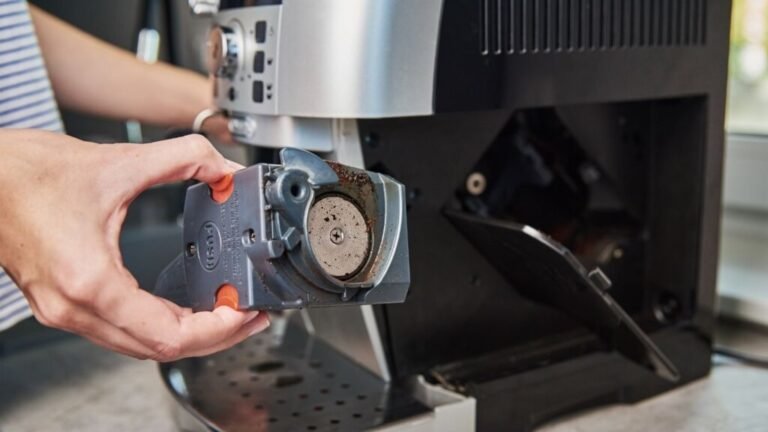
Once a week, remove and clean the brewing unit. Rinse it under warm water without detergents. Let it air dry before putting it back. This step removes coffee residue that can affect taste and cause blockages.
Clean the milk frother parts separately. Detach all removable parts and wash them with warm soapy water. For deeper cleaning, use the milk frother cleaning cycle available on your Philips 3200. This prevents milk buildup and keeps the steam nozzle clear.

Adjust the water hardness setting on your machine to match your local water supply. This helps the machine alert you for descaling at the right time.
How To Descale Philips 3200 Coffee Machine
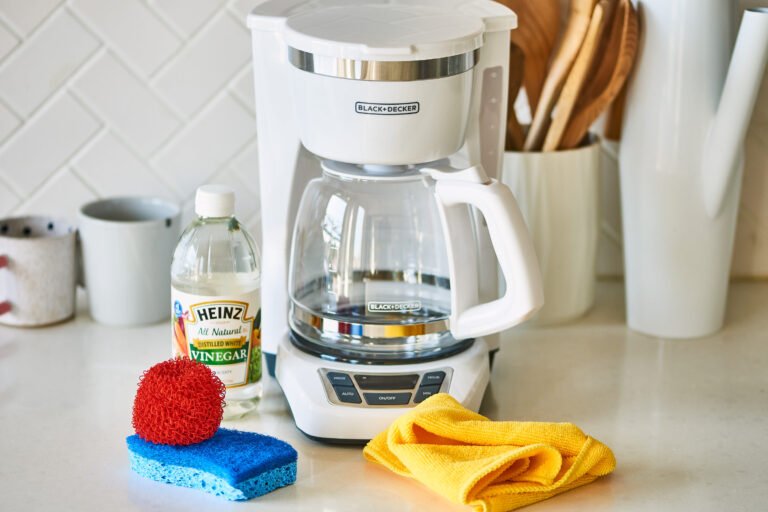
Descaling removes limescale from the water circuit. It is a vital step to keep hot water flowing and maintain coffee flavor. Use only Philips recommended descaling products or cleaning tablets. Vinegar or other homemade solutions can harm your machine.
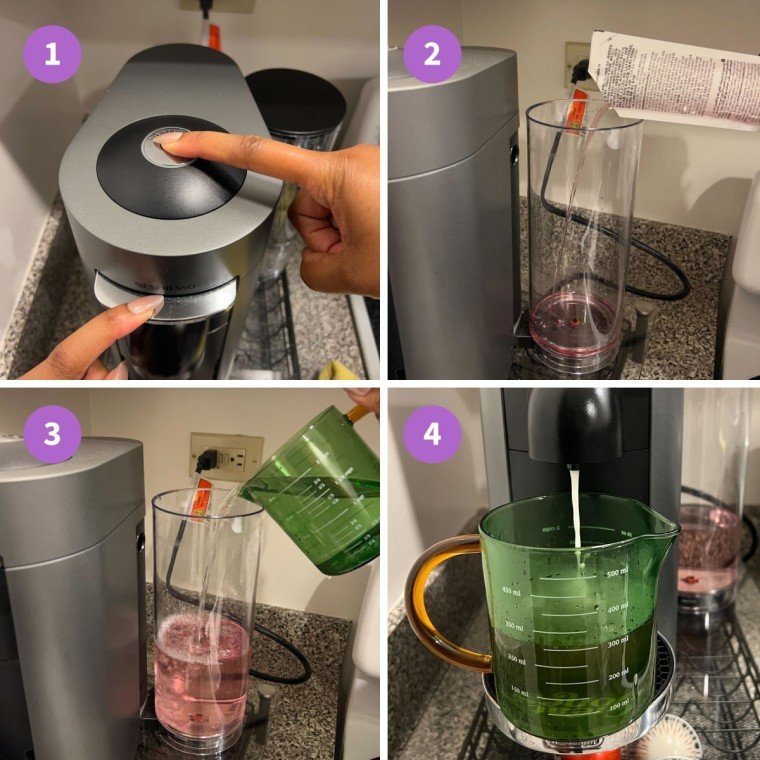
Follow the machine’s descaling indicator prompt. The Philips 3200 has an automatic descaling program that guides you step-by-step. It usually takes about 30 minutes and involves adding the descaling solution and running the rinse cycle.
- Fill the water tank with the descaling solution.
- Start the descaling program from the menu.
- Follow on-screen instructions to run the cycle.
- Rinse the water tank and fill with fresh water.
- Run the rinse cycle to flush out residue.
Replacing the Philips AquaClean filter reduces how often you need to descale. Replace it every 3 months or after 500 uses as the machine indicates. This filter removes impurities and protects the internal parts.
Deep Cleaning of Key Components
Besides daily and weekly care, deep clean the drip tray and coffee grounds container monthly. Remove all parts and wash them thoroughly with warm water. Clean the drip tray sensor area carefully to avoid errors.
Cleaning the internal brewing unit is important. This can be done by rinsing and drying as described. But if you notice coffee residue build-up, run the cleaning tablet program. This dissolves oils and keeps brewing smooth.
| Component | Cleaning Frequency | Cleaning Method |
|---|---|---|
| Drip Tray | Weekly | Remove and rinse with warm water |
| Brewing Unit | Weekly | Rinse under warm water, air dry |
| Milk Frother | After each use / Weekly deep clean | Rinse parts. use cleaning cycle |
| AquaClean Filter | Every 3 months / 500 cups | Replace with new filter |
Regular cleaning prevents coffee residue and scale from affecting machine performance. It also ensures hygienic coffee preparation.

Always use cleaning products safe for Philips machines. Avoid harsh chemicals or abrasive tools. The user manual provides specific product recommendations and safety tips.
Troubleshooting Cleaning Issues
If the cleaning indicators stay on or the machine shows an error, reset the cleaning cycle. Sometimes the sensors may need recalibration. Refer to the Philips 3200 user manual cleaning guide for detailed reset steps.
Check for blockages in the coffee grinder and steam nozzle if coffee flow is slow. Cleaning these areas regularly solves most issues. For persistent problems, Philips customer support can help.
Eco mode on the Philips 3200 reduces energy but does not affect cleaning. Always run cleaning and descaling cycles as scheduled, regardless of other settings.
Best Practices and Hygiene Tips
Keep a cleaning schedule to avoid missing important steps. Use a checklist to track daily, weekly. And monthly tasks. This keeps your coffee machine healthy and your drinks tasty.
Store cleaning tablets and filters in a dry place. Avoid mixing different cleaning agents. Follow manufacturer instructions strictly for best results.

- ✅ Daily: Empty grounds, rinse drip tray, run automatic cleaning cycle
- ✅ Weekly: Clean brewing unit, milk frother, adjust water hardness if needed
- ✅ Monthly: Deep clean drip tray and grounds container, replace AquaClean filter if due
- ✅ Every 2-3 months: Descale machine
For more on keeping coffee machines spotless, check out our guide on cleaning Ninja coffee machines. The principles of regular cleaning and descaling apply similarly.
Conclusion
Cleaning your Philips 3200 coffee machine is simple but crucial. Regular care keeps your coffee tasting fresh and your machine running well. Follow the cleaning schedule, use recommended products. And pay attention to the machine’s indicators.
By rinsing the brewing unit, cleaning the milk frother. And descaling on time, you protect the machine’s parts and save repair costs. Remember to replace the AquaClean filter to reduce descaling frequency.
With consistent maintenance, your Philips 3200 will deliver great coffee for years. For community tips and user experiences, browsing forums like Philips 3200 maintenance on Reddit can be helpful.
| Cleaning Task | Tool/Product Needed | Frequency |
|---|---|---|
| Descaling | Philips descaling tablets | 2-3 months or alert |
| Brewing Unit Cleaning | Warm water, soft cloth | Weekly |
| Milk Frother Cleaning | Warm soapy water, automatic cycle | After each use / weekly |
| Filter Replacement | Philips AquaClean filter | Every 3 months / 500 cups |
Keeping your coffee machine clean is easy with the right steps. This saves time and guarantees the best coffee every day. Enjoy your Philips 3200 coffee maker at its best with proper care.
| Common Issue | Cause | Cleaning Solution |
|---|---|---|
| Slow coffee flow | Clogged grinder or brewing unit | Clean grinder and rinse brewing unit |
| Milk frother clogs | Milk residue buildup | Use milk frother cleaning cycle weekly |
| Descale alert not resetting | Incomplete descaling cycle | Run full descaling and rinse cycles |
Frequently Asked Questions
How often should I descale my Philips 3200 coffee machine?
Descale your Philips 3200 coffee machine every 2-3 months or when the machine shows a descaling alert to prevent limescale buildup.
What is the Philips AquaClean filter and when should I replace it?
The AquaClean filter reduces the need for frequent descaling. Replace it every 3 months or after 500 cups as indicated by the machine.
How do I clean the brewing unit on the Philips 3200?
Remove the brewing unit and rinse it under warm water weekly. Let it dry completely before reinserting to avoid mold and residue.
Can I use vinegar to descale my Philips 3200 coffee machine?
No, Philips recommends using only their cleaning tablets or approved descaling products to avoid damage to the machine.
How do I clean the milk frother on the Philips 3200?
Detach the milk frother parts and rinse them after each use. Use the automatic milk system cleaning cycle weekly for deep cleaning.

Keith Boyd Is A Seasoned Appliance Care Expert With Over A Decade Of Experience In Home Appliance Maintenance. His Authoritative Insights On Washing Machine Care And Upkeep Are Trusted By Homeowners Nationwide. With A Passion For Educating Others, Keith Shares Valuable Tips That Ensure Your Appliances Run Smoothly For Years To Come.