Introduction to Comforter Washing
Washing a comforter in a washing machine is easier than many think. However, following comforter care instructions is key to keep it safe. Comforters come in many material types like down filling and synthetic filling. Each type needs special attention. This guide covers the best washing machine settings and tips for 2026 to clean your comforter well.
In modern homes, choosing between a front load vs top load washer can affect your washing results. For large bedding items, knowing how to use your machine well saves time and energy. For a deeper understanding of this mechanic, analyzing resources on how to vent washing machine drain provides excellent foundational context.
Preparing Your Comforter for Washing
Before washing, check if your comforter is machine washable comforters or needs dry cleaning. Read the label to avoid damage. Remove any stains with a gentle stain remover. Spot clean tough stains first, then prepare for a full wash. Using the right detergent for comforters matters; choose mild, allergy-safe detergents to protect fabric and skin.
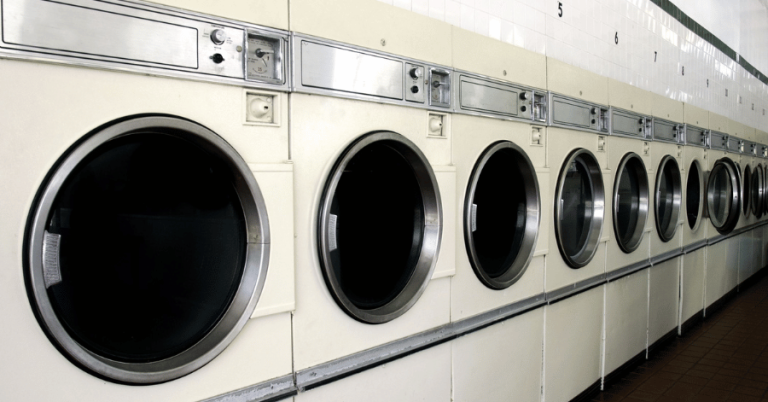
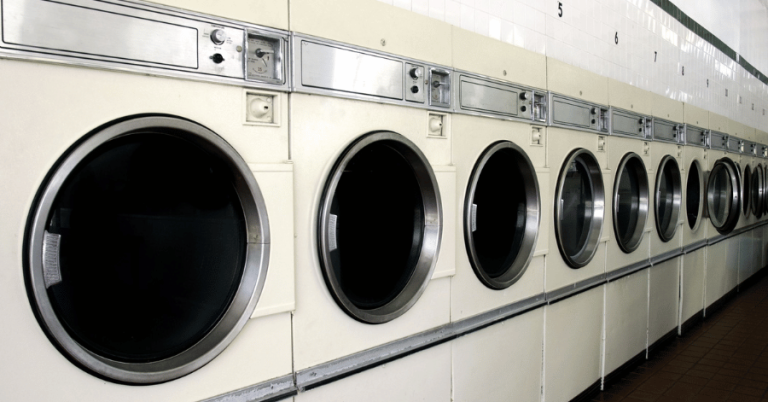
Comforters can be bulky. Make sure your washing machine has enough load capacity. Overloading can cause poor cleaning and harm the machine. If your comforter is too large, consider washing it at a laundromat with bigger machines. For tips on washing large bedding items, check this guide on how to wash a comforter at a laundromat.
Choosing the Right Washing Machine Settings
Set your washing machine to a delicate wash cycle comforters need gentle care. Use cold water wash to prevent shrinking and fabric damage. Avoid using hot water if your comforter has down filling, as it can affect the feathers. For synthetic filling, warm water is sometimes safe but cold is best to save energy.
Use a gentle spin cycle to prevent clumping of filling. Too fast a spin can damage the fabric. Skip fabric softener for comforters, as it can reduce breathability and fluffiness. Instead, add a cup of white vinegar in the rinse cycle to soften the fabric naturally.
Understanding how the spin cycle works can improve your wash results. Learn more about what spin does on a washing machine here.
Drying Comforters Safely
Drying comforters properly is just as important as washing. Use a low heat or air fluff setting on your dryer. High heat drying can shrink or damage the fabric and filling. Add tennis balls dryer balls to the dryer. They help fluff the comforter and prevent comforter clumping.
Check the comforter after intervals to break up any lumps. If you prefer, air drying in a well-ventilated area is also safe but takes longer. Avoid direct sunlight to prevent fabric fading. Following these steps ensures your comforter stays soft and full.
:max_bytes(150000):strip_icc()/how-to-wash-down-filled-bedding-350482-81ec2947d5144bdca738bcefa5eb1fa9.png "How to Clean and Care for a Down Comforter or Duvet (Figure)")
Comforter Material Types and Care
Down comforters need gentle washing to keep feathers lofted. Synthetic filling comforts can handle a bit more washing but still need delicate cycles. Breathable fabric covers help comforters dry faster and avoid mildew. Knowing your comforter material type helps pick the right detergent and wash settings.
For allergy-safe washing methods, use mild detergents without dyes or perfumes. Wash your comforter often enough to reduce dust mites and allergens. Experts recommend washing every 6 to 12 months depending on use. This keeps your bedding fresh and safe.
Removing Stains from Comforters
Stains on comforters can be tricky. Start by treating stains with a mild stain remover or a paste of baking soda and water. Let it sit for 15 minutes before washing. Avoid harsh chemicals that can harm the fabric.
For tough stains, pre-soak in cold water with detergent for a few hours. Always check if the stain is gone before drying, as heat can set stains permanently. Use gentle rubbing to avoid fabric tears.
Detailed cleaning tips for comforters are available in many expert guides. For a broader look, see this video on HOW TO PROPERLY WASH A COMFORTER.
Dry Cleaning vs Machine Washing
Some comforters recommend dry cleaning only. This is common for delicate fabrics or luxury down fill. Dry cleaning can keep the fabric and filling safe but costs more and uses chemicals.
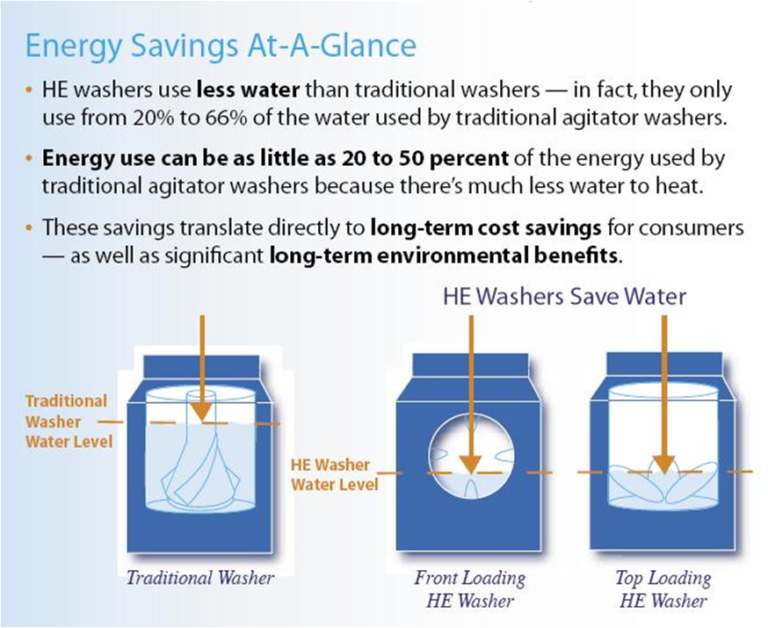
Machine washable comforters are more common now with improved washing machines. Front-load washers use less water and are gentler than top-load washers with agitators. If your comforter is labeled machine washable, a gentle cycle is usually safe. Always follow the washing instructions on the tag.
Energy Efficient Washing Machines and Comforter Care
Modern energy efficient washing machines save water and power while cleaning well. They have special cycles for bulky items like comforters. Using the right settings reduces waste and protects your comforter.
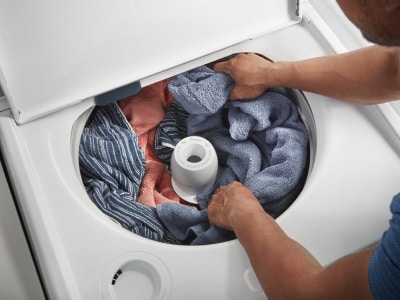
Energy efficiency also means shorter cycles with optimized water use. This benefits your wallet and the environment. Pair your washing routine with natural fabric softeners and cold water washes to maximize savings and care.
Front Load vs Top Load Washer for Comforters
Choosing between front load and top load washers affects your comforter washing. Front load washers are gentler, use less water, and spin faster to reduce drying time. They are preferred for delicate wash cycles comforters need.
Top load washers with an agitator can be rougher on fabrics. However, some newer models have special bulky or delicate cycles. Make sure your comforter fits well and is balanced to avoid damage and uneven washing.
| Feature | Front Load Washer | Top Load Washer |
|---|---|---|
| Water Use | Low | Higher |
| Fabric Care | Gentle | Can be harsh |
| Spin Speed | Fast | Slower |
| Energy Efficiency | High | Lower |
| Comforter Wash | Better for down | Good for synthetic |
Knowing these pros and cons helps you pick the best machine or cycle for your comforter.
Preventing Comforter Clumping
Clumping happens when filling sticks together after washing or drying. Use dryer tennis balls during drying to keep the filling loose. Toss the comforter often during the cycle to break lumps.
Choosing a delicate wash cycle and slow spin reduces clumps forming. Avoid overloading the machine to give the comforter room to move freely. These steps keep your comforter even and comfy.
:max_bytes(150000):strip_icc()/SPR-how-to-SPR-how-to-how-to-wash-a-comforter-7372304-hero-01-17b822ab448e4f9f8261b2c9d68ca0c6.jpg "How to Wash a Comforter in 4 Steps (Figure)")
Extra Laundry Tips for Bedding
Wash bedding items separately to avoid damage. Use breathable laundry bags for delicate comforters. Avoid bleach which can break down fabric fibers.
For drying, remove comforters while still a bit damp and air dry fully to avoid mold. Always read washing instructions on each bedding item for best results.
| Tip | Reason |
|---|---|
| Use mild detergent | Protects fabric and skin |
| Cold water wash | Prevents shrinking |
| Delicate cycle | Gentle on filling |
| Dry with tennis balls | Keeps filling fluffy |
| Wash every 6-12 months | Maintains freshness |
Following these simple tips helps your comforter last longer and stay comfortable.
Conclusion
Washing comforters in a washing machine is safe and easy when done right. Always check your comforter’s label and use gentle cycles with mild detergent. Cold water washes and low heat drying protect the fabric and filling. Tennis balls in the dryer stop clumping and keep your comforter soft.
Choose energy efficient machines and follow care instructions for best results. Regular cleaning every 6 to 12 months keeps your bedding fresh and allergy safe. For more on washing large bedding items, exploring guides like how long does laundromat washing machine take can be helpful.
With these facts and tips, your comforter will stay clean, comfy, and last for years.
Frequently Asked Questions
Can all comforters be washed in a washing machine?
Not all comforters can be washed in a machine. Always check the care label. Some down or delicate comforters may need dry cleaning.
What washing machine settings are best for comforters?
Use a gentle or delicate cycle with cold water to protect the fabric and filling of the comforter.
How often should I wash my comforter?
Comforters should be cleaned every 6 to 12 months to keep them fresh and hygienic.
Is fabric softener good for comforters?
Fabric softener is usually not recommended because it can reduce the fluffiness and breathability of the comforter.
How can I prevent my comforter from clumping after washing?
Use dryer tennis balls during drying to keep the filling spread out and prevent clumping.

Michael Peterson is a home appliance writer focused on practical washing machine care, maintenance, and troubleshooting. He shares simple, reliable tips to help readers keep their washing machines running efficiently, avoid common problems, and extend appliance life.