Understanding Washing Machine Drain Issues
Washing machines often face water drainage problems. These can happen from a clogged drain hose or drain pipe. Common causes include lint buildup, detergent residue, and mold growth. When blocked, water can backflow or drain slowly, causing odors and damage.
Regular washing machine drain maintenance helps keep your machine running well. It also removes smells and stops blockages before they worsen. For a deeper understanding of this mechanic, analyzing resources on washing machine drain pipe cleaning provides excellent foundational context.
Cleaning the drain hose and pump filter regularly is key. This keeps waste water drainage smooth and avoids costly repairs.
Tools Needed for Cleaning
Before starting, gather a few simple tools. These include a plunger, drain cleaning brush, and a plumbing snake. Also have a bucket and gloves ready. Cleaning agents like vinegar or baking soda can help remove detergent residue and odors.
Some washing machines have a drain trap or pump filter. Make sure to check your model and get the right tools to open these parts safely. You can learn more about how to clean drain hose on washing machine for specific instructions.
Use gentle tools to avoid damage. Avoid harsh chemicals that could harm the machine or pipes.
📌 Step-by-Step Cleaning Guide
Follow these steps to clean out your washing machine drain effectively:
- Unplug the washing machine and turn off the water supply.
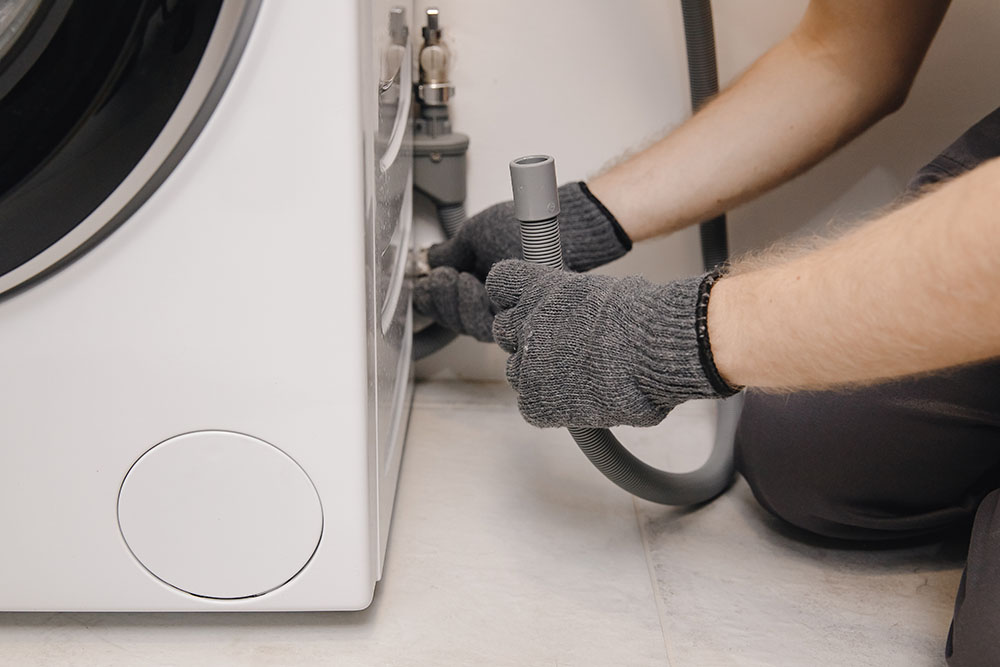
- Locate the drain hose at the back of the machine. Detach it carefully if needed.
- Flush the hose with hot water to loosen buildup inside.
- Use a drain cleaning brush or plumbing snake to remove blockages.
- Clean the drain trap or pump filter by opening its cover and removing lint or debris.
- Reattach the hose and check all connections for leaks.
- Run a short wash cycle to test water drainage.
Regularly following this routine prevents washing machine drain clog and odor problems. It also avoids water backflow and pump damage.
Preventing Future Blockages
Prevention is better than repair. Avoid washing items that shed excess lint or debris. Use less detergent to reduce residue. Run a monthly maintenance cycle with vinegar or a cleaning product made for washing machines.

Keep a maintenance schedule and inspect the drain hose and pump filter every few months. This keeps your machine fresh and functioning well. For advice on deep cleaning, see how to clean my lg washing machine.
Proper installation also plays a role. Ensure the drain pipe connection is secure and the hose is at the correct height to prevent backflow.
Common Causes of Washing Machine Drain Issues
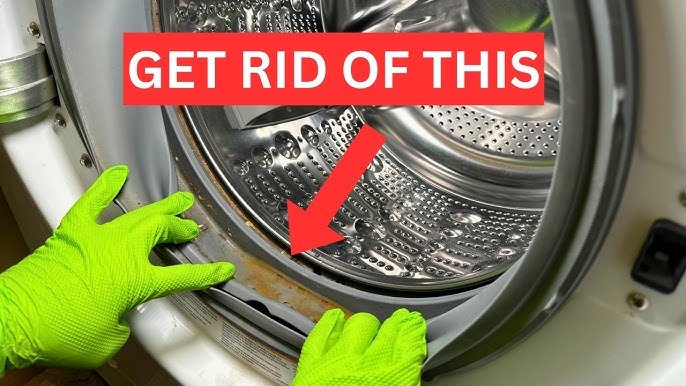
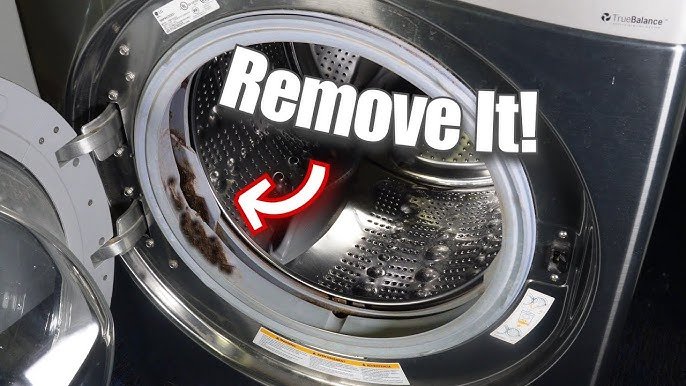
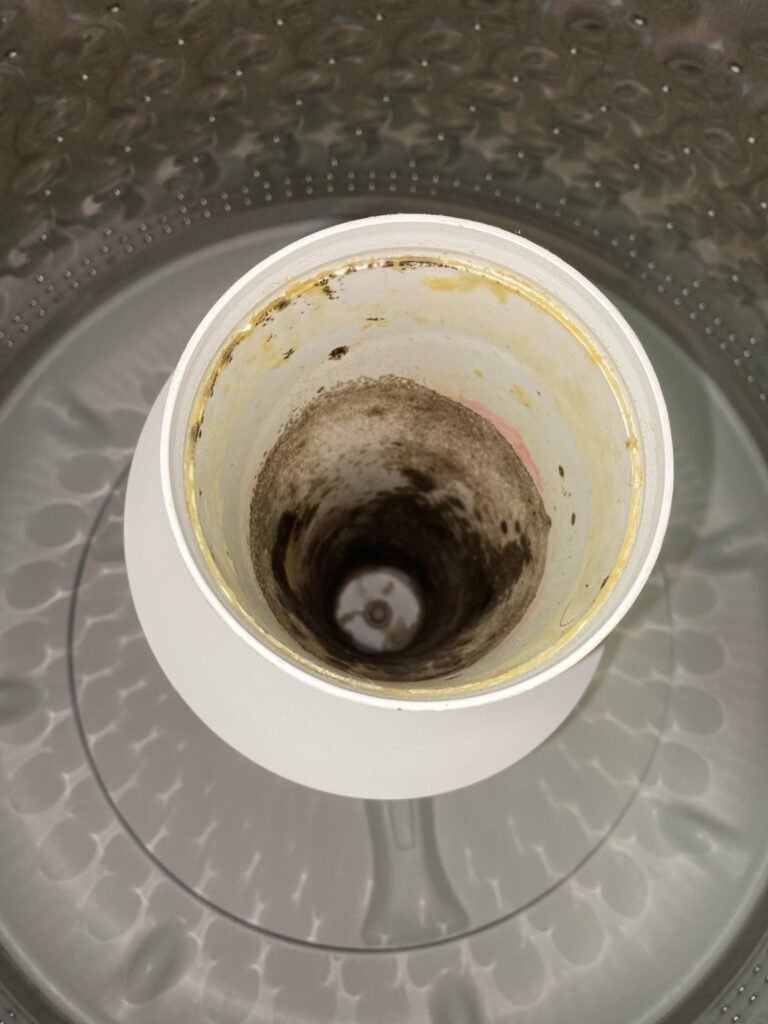
Most washing machine water drainage issues come from blockages. These blockages can be caused by lint, fabric fibers, and detergent buildup. Mold and mildew growth inside the drain hose or trap also create bad smells and clogging.
Another cause is the washing machine pump filter getting clogged with small debris. A blocked pump filter can strain the drainage system and cause slow water flow or leaks.
Here is a table of common causes and their effects:
| Cause | Effect |
|---|---|
| Lint and fibers | Drain clog, slow water flow |
| Detergent residue | Blockage and odors |
| Mold and mildew | Bad smell, health risks |
| Pump filter blockage | Pump strain, leaks |
Understanding these factors helps in performing targeted cleaning and maintenance.
Cleaning Washing Machine Trap and Pump Filter
The washing machine trap collects lint and debris before water drains out. Cleaning it regularly stops blockages and odors. The pump filter also traps tiny particles to protect the pump.
To clean these parts, turn off the machine and locate the trap or filter. Open the cover and remove any lint or dirt. Rinse with warm water and dry. Replace the parts securely to avoid leaks.

Refer to your washing machine manual for exact locations and instructions. For example, how to clean filter on whirlpool washing machine covers many common filter types.
Tips for Deep Cleaning Washing Machine Drain
Deep cleaning helps remove stubborn buildup inside the drain hose and pipes. Use a mix of baking soda and vinegar for a natural cleaning agent. Pour it into the drain hose and let it sit for 20 minutes. Follow with a hot water flush to clear loosened debris.
Using a plumbing snake can remove tough blockages. Insert the snake gently into the drain pipe and twist to catch debris. Pull out the snake slowly with the blockage attached.
Always clean the washing machine lint filter regularly to prevent lint from reaching the drain hose.
Here is a checklist to guide deep cleaning:
- ✅ Flush drain hose with hot water
- ✅ Use baking soda and vinegar solution
- ✅ Employ plumbing snake for tough clogs
- ✅ Clean lint filter often
- ✅ Inspect drain pipe connections
Washing Machine Drain Maintenance Schedule
Creating a simple maintenance schedule keeps your washing machine in top shape. Follow these intervals:
- Monthly: Run a cleaning cycle with vinegar or washing machine cleaner.
- Every 3 months: Clean the drain hose and pump filter.
- Every 6 months: Deep clean the drain pipe and trap.
- Annually: Inspect installation and drain pipe connection for wear or leaks.
Keeping this routine avoids washing machine drainage problems and extends the machine’s life.
🆚 Comparison of Cleaning Methods
Choosing the right cleaning method depends on the clog severity and user skill. Here is a comparison:
| Method | Ease | Effectiveness | Tools Needed |
|---|---|---|---|
| Hot water flush | Easy | Moderate | None |
| Baking soda and vinegar | Easy | Good | Cleaning agents |
| Drain cleaning brush | Moderate | Good | Brush |
| Plumbing snake | Hard | High | Snake tool |
For beginners, hot water flush and natural cleaning agents work well. More stubborn blockages need tools like a plumbing snake.
Conclusion
Cleaning out your washing machine drain is vital for smooth operation. Regular maintenance prevents clogging, bad smells, and water backflow. Using simple tools and natural cleaning agents is effective and safe.
Following a set schedule keeps your washing machine fresh and efficient. Proper installation and checking drain pipe connections also reduce drainage issues. Learning how to clean my samsung washing machine helps extend your machine’s life.
By cleaning the drain hose, pump filter, and trap regularly, you can avoid costly repairs. Remember that small efforts prevent big problems in washing machine maintenance.
For a helpful community discussion on washing machine care and cleaning, see the thread on remember to clean out your washing machine. It offers practical tips and user experiences.
Frequently Asked Questions
Why is my washing machine drain clogged?
Clogs happen when lint, detergent residue, and dirt build up in the drain hose or pipe. This can block water flow and cause drainage problems.
How often should I clean my washing machine drain hose?
Industry consensus suggests cleaning the drain hose every 3 to 6 months to prevent blockages and odors.
Can I clean the washing machine drain without removing the hose?
Yes, you can flush the hose with hot water and use a drain cleaning brush to clear minor blockages without removal.
What tools help clear washing machine drain clogs?
Useful tools include a plunger, plumbing snake, and a drain cleaning brush. These help remove lint and buildup.
How do I stop water backflow in my washing machine drain?
Ensure the drain hose is installed at the correct height and check for blockages in the drain trap or pipe. Proper installation prevents backflow.

Michael Peterson is a home appliance writer focused on practical washing machine care, maintenance, and troubleshooting. He shares simple, reliable tips to help readers keep their washing machines running efficiently, avoid common problems, and extend appliance life.