Introduction to Washing Silk in a Machine
Silk is a soft, natural protein fiber. It needs careful washing to stay pretty and strong. Many think silk must only be hand washed or dry cleaned. But in 2026, many machines have gentle cycles made for delicate fabrics like silk. This guide shows how to wash silk safely in a washing machine. For more on delicate cycles, see machine wash delicate fabrics.
Knowing silk fabric care helps you pick the right detergent and temperature. Use gentle cycle silk settings and follow care labels for best results.
Machine Washing vs Hand Washing Silk
Hand washing silk is very gentle. It lets you control water temperature and avoid rough spins. But it takes time and care. Machine washing silk on delicate cycles is quicker and safe if done right.
Experts say hand wash is best for very fine silk like charmeuse silk. But mulberry silk and other types can handle machine wash on cold and gentle spin. Always check care labels for advice.
For a deeper understanding of this mechanic, analyzing resources on washing silk clothing provides excellent foundational context.
Preparing Silk For Machine Wash
Start by reading the care label on your silk garment. It shows washing symbols and if machine wash is safe. If unsure, test a small hidden spot with water and detergent.
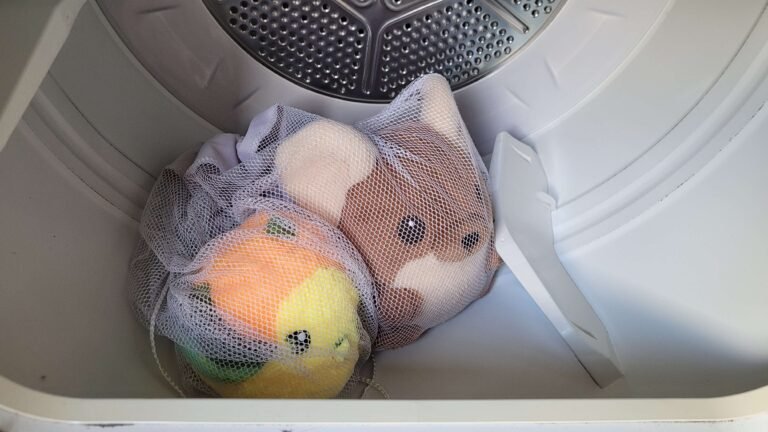
Always turn silk inside out to protect the surface. Use a silk wash bag or mesh laundry bag to reduce friction inside the machine. This helps prevent damage from other clothes or machine parts.
Remove all sharp items like pins or jewelry that can snag silk during washing.
Choosing The Right Detergent for Silk
Use a detergent made for silk or other delicate fibers. These detergents avoid harsh enzymes or bleach that break down protein fiber. Avoid regular detergents with strong chemicals.
Liquid silk detergents dissolve better in cold water and rinse out cleanly. Avoid powder detergents that might leave residues on silk. Do not use bleach or fabric softeners; they harm silk’s softness and colors.
Here is a quick checklist for detergent choice:
- ✅ Silk or delicate fabric label
- ✅ Free of bleach or enzymes
- ✅ Liquid form preferred
- ✅ No fabric softener included
Setting Your Machine for Silk Washing
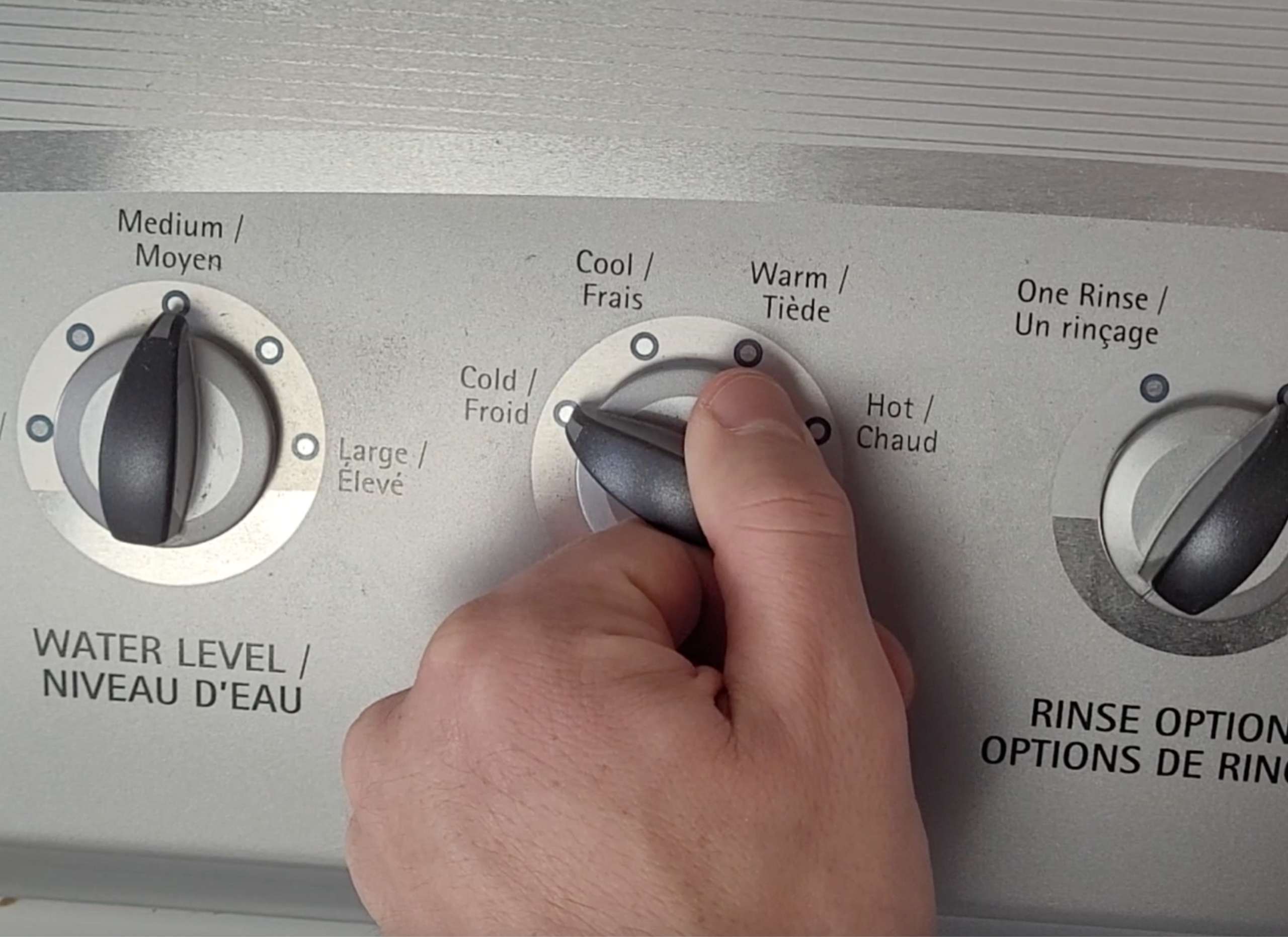
Select the delicate or silk-specific cycle on your washing machine. Use cold or cool water, about 20-30°C (68-86°F). Hot water can shrink silk or fade colors.
Set the spin cycle to low speed to avoid stretching fibers. Use the shortest wash time that cleans well. Over-washing silk may weaken the material.
Always place silk in a mesh bag. This shields it from rough spinning and contact with other fabrics.
Below is a comparison table of silk washing settings:
| Setting | Recommended | Not Recommended |
|---|---|---|
| Water Temp | Cold or Cool (20-30°C) | Warm or Hot |
| Cycle Type | Delicate or Silk | Normal or Heavy |
| Spin Speed | Low or No Spin | High Spin |
| Detergent | Silk-specific Liquid | Bleach or Regular Powder |
Silk Washing Tips to Avoid Damage
Do not overfill the washing machine. Silk needs space to move gently. Overloading causes wrinkles and friction damage. Wash silk items with similar delicate fabrics only.
Remove stains before washing using a mild silk stain remover. Dab gently; do not rub. For tough stains, spot treat and then wash.

Avoid fabric softeners as they coat silk fibers and dull the shine. Instead, rinse well with clean water.
Drying and Ironing Silk
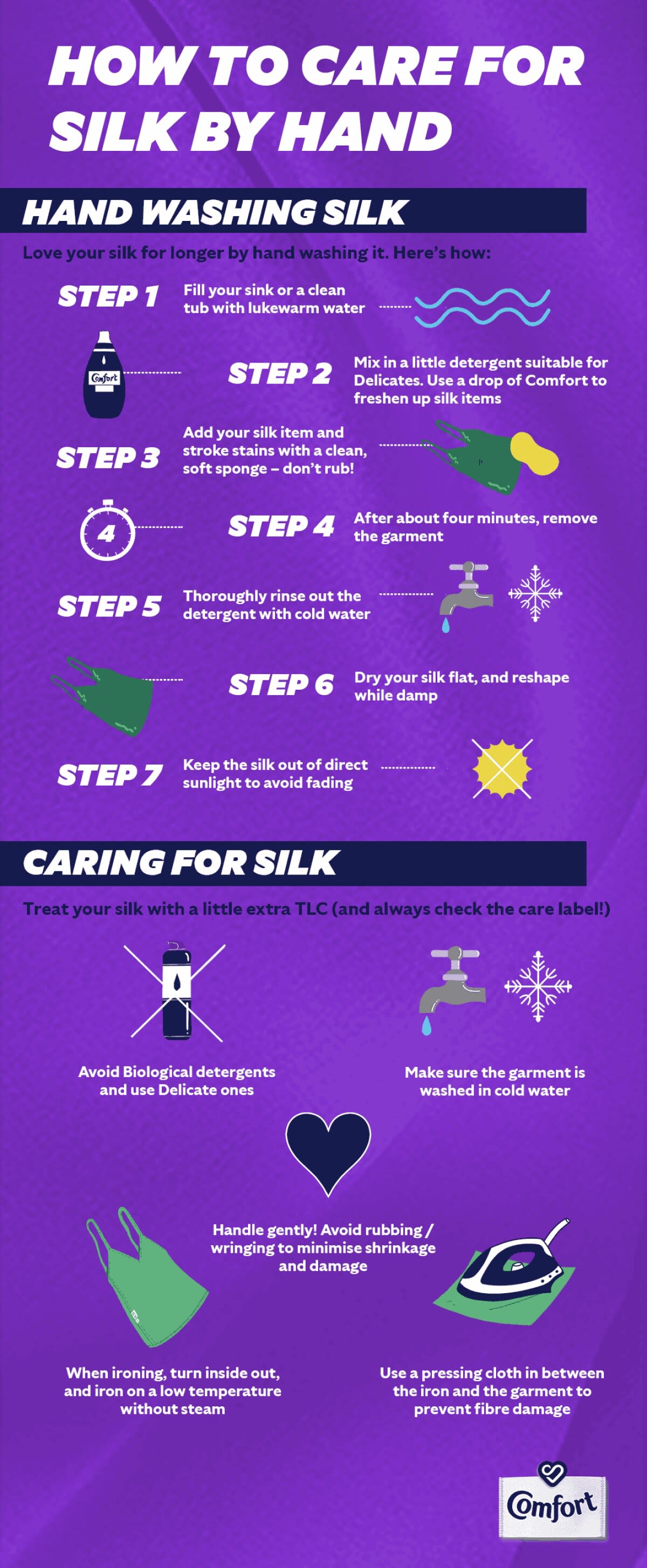
After washing, remove silk from the mesh bag carefully. Do not wring silk; squeeze gently to remove excess water.
Lay silk flat on a drying rack or hang it in shade. Avoid direct sunlight to prevent color fading. Never use a tumble dryer on silk.
Iron silk inside out while still slightly damp. Use a low iron temperature (silk setting). Place a cloth between iron and silk to avoid burns.
Silk Storage and Maintenance
Store silk garments in a cool, dry place. Use breathable fabric bags to avoid moisture buildup. Avoid plastic covers that trap humidity.
Regularly air out silk clothes to keep them fresh. Check for stains or damage and clean promptly. Follow care labels for long-term maintenance.
Proper storage preserves silk’s texture and color, extending garment life.
Common Silk Washing Mistakes to Avoid
Many people wash silk in hot water or use harsh detergents. This breaks down fibers and fades colors. Using fabric softeners or bleach also harms silk.
Other mistakes include skipping the mesh bag and using high spin cycles. These cause stretching, wrinkles, and tears. Drying silk in direct sun or a dryer leads to shrinkage.
Understanding and avoiding these mistakes ensures your silk stays beautiful longer.
Conclusion: Best Practices for Machine Washing Silk
Machine washing silk is safe in 2026 if done with care. Use cold water, silk detergent, gentle cycle, and a mesh bag. Avoid bleach and fabric softeners. Dry silk flat in shade and iron on low heat.
Following these silk garment laundry tips preserves silk’s softness and color. Always read care labels and separate silk from rough fabrics. For more delicate fabric care, visit our guide on quiet washing machine features.
With these steps, you can enjoy your silk clothes looking new for years.
Frequently Asked Questions
Can silk be machine washed?
Yes, silk can be machine washed if you use a gentle cycle, cold water, and a mild detergent designed for delicate fabrics. Always use a mesh laundry bag.
What water temperature is best for washing silk?
Cold water or cool water, around 20-30°C (68-86°F), is best. Hot water can damage silk fibers and cause shrinkage or color fading.
Should I use fabric softener when washing silk?
It is best to avoid fabric softeners with silk as they can coat the fibers and reduce silk’s natural sheen and breathability.
Is hand washing better than machine washing silk?
Hand washing is gentler and recommended for very delicate silk. However, modern washing machines have delicate cycles that can safely wash silk if done properly.
How should I dry silk after washing?
Lay silk flat on a drying rack away from direct sunlight. Avoid wringing or tumble drying as this can damage silk fibers.

Michael Peterson is a home appliance writer focused on practical washing machine care, maintenance, and troubleshooting. He shares simple, reliable tips to help readers keep their washing machines running efficiently, avoid common problems, and extend appliance life.