Why Cleaning Your CPAP Machine Is Crucial
CPAP machines help millions sleep better. But these devices can collect germs if not cleaned well. Bacteria and mold may grow in masks, hoses, and humidifiers. This can lead to infections or worsen breathing problems. Thus, keeping your CPAP machine clean is key for safe use and better sleep.
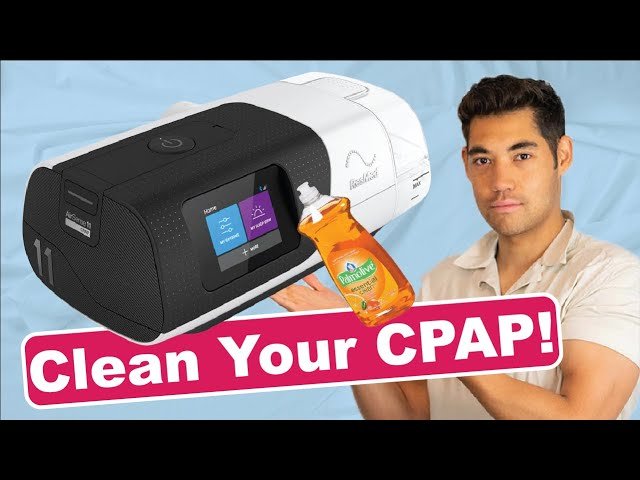
Industry consensus indicates that proper sleep apnea device hygiene improves health outcomes. Cleaning frequency depends on parts like mask, tubing, and filters. For a deeper understanding of this mechanic, analyzing resources on how to clean your CPAP equipment provides excellent foundational context.
Besides health, cleaning extends your machine’s life. Dust and oils harm equipment over time. Regular care saves money and ensures the machine works well.
Daily CPAP Cleaning Checklist
Daily cleaning removes oils, sweat, and dirt from the mask and parts. Follow this simple routine each day:
- ✅ Wash the CPAP mask and cushion with warm water and mild soap.
- ✅ Rinse thoroughly to remove soap residue.
- ✅ Wipe the machine surface with a soft cloth.
- ✅ Hang the mask and tubing to dry in a clean place.
Cleaning the mask daily cuts bacterial contamination risks. Mask liners or pads also benefit from regular washing to stay fresh.
Failing to dry parts well can lead to mold. Ensure all components are fully dry before use or storage.
Weekly CPAP Maintenance Steps
Weekly cleaning targets harder-to-clean parts and the humidifier chamber. These steps keep your device mold-free and fully functional.
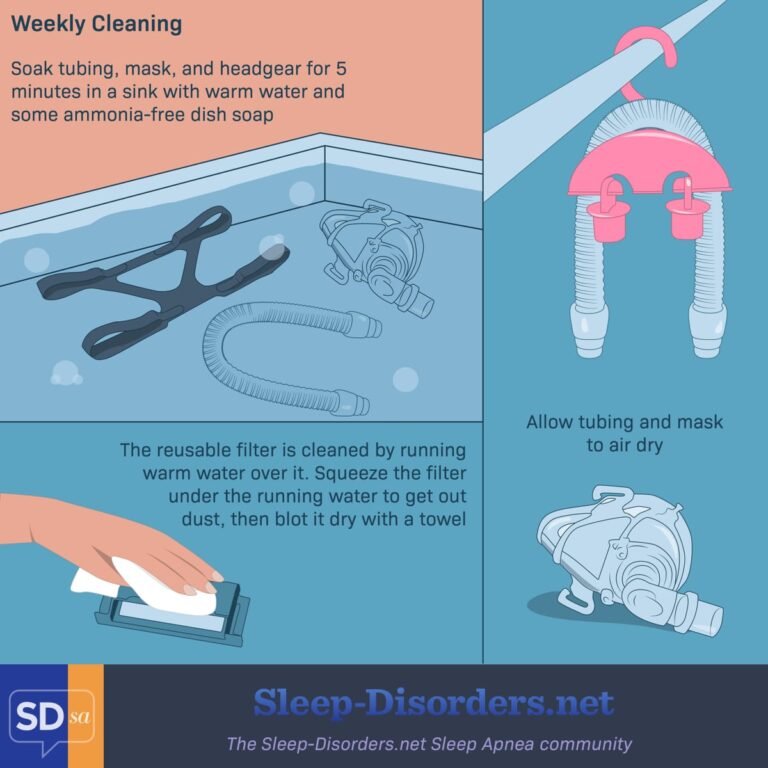
- Soak the CPAP hose in warm, soapy water and rinse it well.
- Clean the humidifier chamber using a vinegar-water solution (1 part vinegar to 3 parts water) to prevent mold buildup.
- Change or clean reusable CPAP filters as instructed by the manufacturer.
- Inspect all parts for damage or wear and replace if needed.
This routine helps prevent mold and bacterial contamination. It also keeps the air flowing freely through the device.
Many users ask about the CPAP hose cleaning schedule. Weekly washing is recommended, but if you live in dusty areas, consider more frequent cleaning.
CPAP Filter Replacement Timeline
Filters block dust and allergens from entering your airway. Their performance declines over time and they can harbor germs.
Replace disposable filters every 2 weeks or as manufacturer instructions say. Washable filters should be cleaned weekly and replaced every 6 months.
| Filter Type | Cleaning Frequency | Replacement Frequency |
|---|---|---|
| Disposable | None (replace only) | Every 2 weeks |
| Reusable/Washable | Weekly | Every 6 months |
Using old filters increases CPAP bacterial contamination risks. Timely filter care improves air quality and machine efficiency.
CPAP Humidifier Cleaning Guide
The humidifier adds moisture to air and reduces dryness. But it can also breed mold without care.
Empty and clean the humidifier daily. Use mild soap and water or a vinegar solution to disinfect weekly. Avoid harsh chemicals that may harm the chamber.
Dry the humidifier well before reassembling. Regular cleaning stops CPAP machine mold prevention issues.
Some humidifiers have specific care instructions in the user manual. Always follow those for best results.
Deep Cleaning Advice for Your CPAP Machine
Every 1 to 3 months, perform a deep cleaning to keep all parts sanitized. This involves disassembling the device and thoroughly washing or soaking components.
Use CPAP-safe cleaning products or diluted vinegar solutions. Avoid bleach or antibacterial wipes that may damage equipment.
Let all parts air dry completely. This routine removes hidden buildup and helps maintain optimal hygiene.
:max_bytes(150000):strip_icc()/how-to-clean-cpap-3015322-v1-5c1ac1cc46e0fb0001e27563.png "Clean a CPAP Machine: A How-To Guide (Figure)")
For best practices, consult your CPAP machine care instructions or professional advice.
Health Risks of Poor CPAP Hygiene
Not cleaning your CPAP machine enough can cause serious issues. Mold and bacteria in the machine can cause respiratory infections and worsen sleep apnea symptoms.
Dirty equipment may trigger allergies, skin irritations, or lung problems. These health risks show why proper cleaning frequency is critical.
| Risk | Cause | Effect |
|---|---|---|
| Bacterial Infection | Dirty mask and tubing | Cough, sore throat, lung infections |
| Mold Exposure | Wet humidifier or tubing | Allergic reactions, asthma flare-ups |
| Machine Damage | Dust and oils buildup | Reduced therapy effectiveness |
Cleaning your CPAP regularly helps avoid these problems and keeps therapy safe.
Best Products for CPAP Cleaning
Choose cleaning solutions made for CPAP machines. Mild soap and distilled vinegar are safe and common choices.
Many users also use approved CPAP sanitizers or wipes. Avoid household cleaners with strong chemicals or fragrances.
Using the right products protects machine parts and your health.
For more tips on cleaning methods, see expert advice on The Dos and Don’ts of CPAP Cleaning.
Drying and Storage Tips
After cleaning, dry all parts fully before use or storage. Damp parts can grow mold quickly.
Hang hoses and masks in a clean, dry area out of direct sunlight. Avoid storing in closed plastic bags.
Regular drying is a simple step to keep your CPAP fresh and safe.
Conclusion: Maintain a Clean CPAP for Better Sleep
Keeping your CPAP machine clean is essential for health and therapy success. Daily mask cleaning, weekly hose and humidifier care, and timely filter replacement form the core routine.
Deep cleaning every few months and using approved products further lowers infection risks. Proper drying and storage complete the care process.
Follow these steps to reduce CPAP bacterial contamination risks and enjoy better sleep. For related cleaning tips, check out our guide on how to clean my ResMed CPAP machine and explore advice on how much baking soda to clean washing machine for general cleaning ideas.
Good care leads to safer therapy and healthier nights. Start your CPAP cleaning routine today to breathe easier and sleep well.
Frequently Asked Questions
Why is regular CPAP machine cleaning important?
Regular cleaning prevents bacteria, mold, and other harmful buildup that can cause infections and reduce machine efficiency.
How often should I clean my CPAP mask?
CPAP masks should be cleaned daily to remove oils and dirt that can cause skin irritation and bacterial growth.
When should CPAP filters be replaced?
Filters typically need replacement every 2 weeks to 1 month depending on usage and air quality.
Can I use household cleaners on CPAP equipment?
No. Only use CPAP-approved cleaning solutions to avoid damaging machine parts and ensure safe use.
What are the risks of not cleaning CPAP machines regularly?
Risks include bacterial contamination, mold growth, respiratory infections, and poor machine performance.

Keith Boyd Is A Seasoned Appliance Care Expert With Over A Decade Of Experience In Home Appliance Maintenance. His Authoritative Insights On Washing Machine Care And Upkeep Are Trusted By Homeowners Nationwide. With A Passion For Educating Others, Keith Shares Valuable Tips That Ensure Your Appliances Run Smoothly For Years To Come.