Machine Washable Plush Toys: What to Know
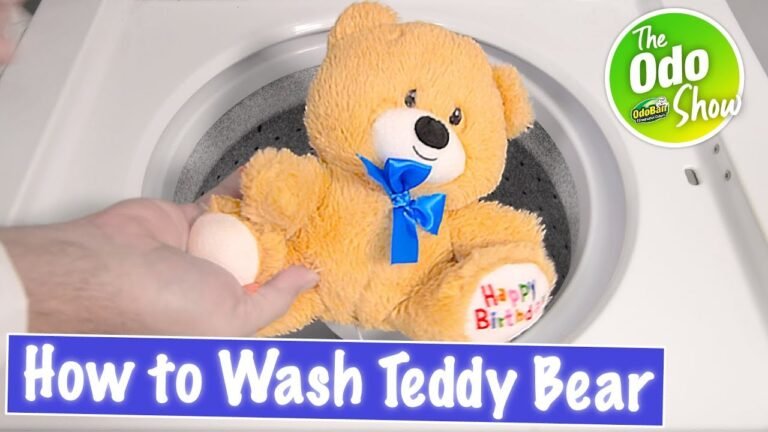
Many soft toys are safe for washing machines. Look for machine washable plush toys that have durable fabric and polyester stuffing. These materials can handle a gentle cycle without losing shape or texture. Always check soft toy care instructions on the tag before washing.
Industry consensus indicates that toys labeled with clear wash instructions, such as ‘machine washable’, are designed for home laundry. Avoid washing toys with glued-on parts or delicate embellishments in a machine to prevent damage.
For a deeper understanding of this process, analyzing resources on how to clean stuffed animals provides excellent foundational context.
It’s also important to note that some toys are heat sensitive and require low temperature washes to keep seams and stitching intact. Using a front load washing machine is often better for soft toys because it provides a gentler wash than top loaders.
Preparation Tips for Washing Soft Toys
Before washing, check the toy’s seams and tags. Repair any loose threads or tears to avoid further damage in the wash. Remove any batteries or electronics if the toy has them.
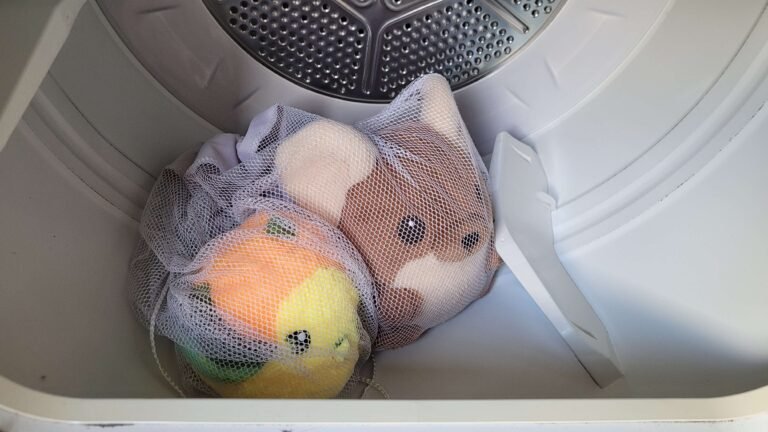
Use a laundry mesh bag to protect the toy during the wash. This step reduces friction and prevents the toy from getting caught in the machine. It also helps prevent damage to the fabric and stuffing.
| Step | Action | Reason |
|---|---|---|
| 1 | Inspect seams and tags | Prevent damage and check washing instructions |
| 2 | Remove batteries/electronics | Avoid water damage to electronics |
| 3 | Place in laundry mesh bag | Protects toy fabric and stuffing |
Choosing the right detergent is key. Use a mild detergent made for delicate fabrics. Avoid bleach or harsh chemicals as they can weaken fabric fibers. Fabric softener is usually not recommended as it may coat the plush fabric and reduce softness.
Washing Machine Settings for Soft Toys
Select the delicate or gentle cycle on your machine. Use cold or lukewarm water to avoid shrinking or color bleeding. A slow spin speed is best to reduce stress on seams and stuffing.
If your washing machine has a temperature control, keep it below 30°C (86°F). This temperature helps sanitize without causing heat damage. Industry experts agree that these settings balance cleanliness and toy fabric durability well.
For detailed guidance on washing techniques, the article on how to wash stuffed animals in washing machine offers practical tips from an appliance perspective.
Drying Soft Toys Safely
After washing, air drying is safest. Lay the toy flat on a clean towel in a well-ventilated area. Avoid direct sunlight which can fade colors. Gently reshape the toy to its original form while damp.
If using a tumble dryer, choose the lowest heat setting. High heat can melt polyester stuffing or shrink fabric. Add dryer balls or clean tennis balls to keep the toy fluffy during drying.
Never use an iron or direct heat source on soft toys. Heat sensitivity is common in plush fabrics and can lead to permanent damage.
Stain Removal and Sanitization Methods
For surface dirt or stains, apply a mild stain remover before washing. Test on a small hidden area first to check for colorfastness. Gently blot stains instead of rubbing to avoid fabric wear.
![Analysis of New Year MEGATHREAD] How Do You Clean Your Plushies? : r/plushies](https://preview.redd.it/new-year-megathread-how-do-you-clean-your-plushies-v0-328aodjdgj9c1.jpg?width=4032&format=pjpg&auto=webp&s=8f71ccae5e219875deeda9fa0d8076c171e89109 "New Year MEGATHREAD] How Do You Clean Your Plushies? : r/plushies (Figure)")
To reduce allergens and odors, use sanitizer sprays safe for soft toys after washing. These sprays help keep toys fresh, especially baby safe toys used daily.
| Method | Description | Safety Tip |
|---|---|---|
| Stain Remover | Apply mild stain remover before wash | Test on hidden spot first |
| Sanitizer Spray | Use after drying for allergen reduction | Choose baby safe, non-toxic sprays |
| Hand Wash | Use warm water and mild detergent for delicate stains | Gently squeeze, don’t wring |
Regular washing frequency depends on usage. Wash toys every 2-3 months or when visibly dirty. This timing helps prevent buildup of dust mites and allergens.
Hand Wash vs Machine Wash Soft Toys
Hand washing is gentler for delicate or older toys. Use cool water and mild detergent. Soak and gently squeeze the toy rather than scrubbing. Hand wash avoids the wear and tear caused by machines but takes more time.
Machine wash is efficient for newer, sturdy soft toys labeled safe for this method. Always use a laundry mesh bag and delicate cycle. This approach balances hygiene and toy maintenance.
Choosing between hand and machine wash depends on the toy’s material and condition. Plush fabrics with polyester stuffing generally fare well in machines if treated carefully.
Toy Maintenance and Hygiene Best Practices
Store soft toys in a dry, clean place to prevent dust buildup. Regularly inspect toys for damage and repair as needed. This helps extend their lifespan and keeps them safe for children.
To keep toys fresh, air them out occasionally. Avoid prolonged exposure to moisture to prevent mold. For toys not suitable for washing, dry cleaning is an option but should be done following professional advice.
Understanding the types of soft toy materials helps in choosing the right care method. For example, cotton toys may shrink more than polyester ones. Adhering to toy washing safety guidelines ensures the best results.
| Material Type | Durability | Recommended Care |
|---|---|---|
| Polyester Stuffing | High durability | Machine wash on delicate cycle |
| Cotton Fabric | Moderate durability | Cold wash, air dry |
| Velvet or Silk | Low durability | Hand wash preferred, avoid machine |
For those interested in appliance care, you might find guidance on can you lay washing machines down helpful for safely moving your washing machine during toy cleaning sessions.
Keeping soft toys clean and well-maintained is vital for health and happiness. By following these expert tips and washing machine settings, you can safely refresh your child’s favorite plush friends without harm.
Remember, always check each toy’s label and use gentle care methods. This ensures your soft toys stay soft, clean, and safe for years to come.
Frequently Asked Questions
Can all soft toys be washed in a washing machine?
Not all soft toys are safe for machine washing. Check the toy’s label for washing instructions and consider the fabric and stuffing materials before washing.
What washing machine settings are best for soft toys?
Use a delicate or gentle cycle with cold or lukewarm water to protect the toy’s fabric and stuffing.
Is it better to hand wash or machine wash soft toys?
Hand washing is gentler and better for delicate or older toys, while machine washing is fine for many modern, durable plush toys if done carefully.
How should soft toys be dried after washing?
Air drying is safest. If using a dryer, choose a low heat or tumble dry setting to avoid damaging the toy.
How often should soft toys be washed?
Wash soft toys every few months or when visibly dirty or smelly to maintain hygiene and reduce allergens.

Michael Peterson is a home appliance writer focused on practical washing machine care, maintenance, and troubleshooting. He shares simple, reliable tips to help readers keep their washing machines running efficiently, avoid common problems, and extend appliance life.